
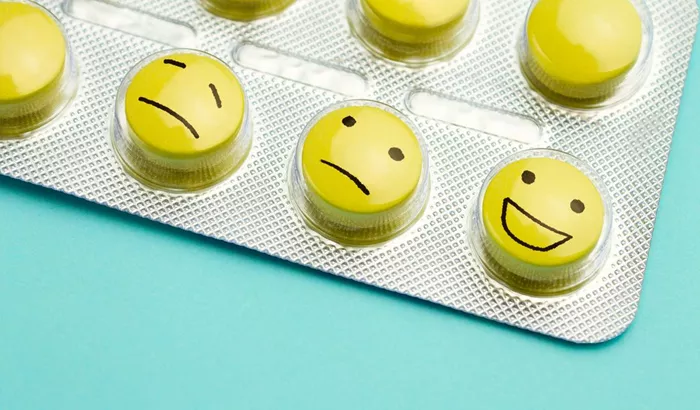
In the United States, rising depression rates signal an urgent public health concern. According to the U.S. Centers for Disease Control and Prevention’s National Center for Health Statistics, depression prevalence among adolescents and adults has surged by 60% over the last decade. Pregnant women represent a significant portion of this growing group, with estimates indicating that 14% to 23% experience depression during pregnancy.
Effective treatment is critical not only for maternal health but also for fetal well-being. The Society for Maternal-Fetal Health Medicine highlights that untreated or inadequately treated depression during pregnancy can lead to severe consequences, including suicide, preterm birth, preeclampsia, and low birth weight.
Approximately 8% of pregnant women receive selective serotonin reuptake inhibitors (SSRIs), a common class of antidepressants that enhance serotonin availability in the brain to alleviate depressive symptoms. Although SSRIs do not cure depression, research supports their effectiveness in managing symptoms.
Concerns about the safety of SSRIs during pregnancy resurfaced when U.S. FDA Commissioner Dr. Martin Makary convened an expert panel last month. Some panel members raised alarms about potential risks associated with SSRIs, such as miscarriage, heart defects, autism spectrum disorder, and other developmental issues in children.
However, the National Curriculum for Reproductive Psychiatry strongly refuted many of these concerns, affirming SSRIs’ essential role in treating pregnant women with depression.
Dr. Sarah Nagle-Yang, associate professor at the University of Colorado School of Medicine and co-chair of the National Curriculum for Reproductive Psychiatry, provided insights into the current evidence surrounding antidepressant use in pregnancy.
Research Limitations and Safety
Dr. Nagle-Yang notes that pregnant women have historically been excluded from randomized controlled trials, limiting direct comparative data on antidepressant safety. Despite this, SSRIs remain among the most extensively studied medications during pregnancy, with robust evidence supporting their relative safety.
Leading medical organizations, including the American College of Obstetrics and Gynecology, endorse antidepressants as a valuable treatment option when clinically indicated. The consensus is clear: the benefits of SSRI treatment often outweigh the low risks involved.
Observational Studies and Risks
Most data comes from observational and retrospective studies, which provide valuable but imperfect insights. Factors like depression severity, comorbidities, lifestyle habits, and medication adherence complicate the interpretation of outcomes.
About one-third of women taking antidepressants in the later stages of pregnancy may experience neonatal adaptation syndrome—a temporary condition causing increased infant irritability or feeding difficulties that typically resolve within weeks without specialized treatment.
Regarding persistent pulmonary hypertension of the newborn (PPHN), a rare but serious condition, research indicates a slight increase in risk (approximately 1.5 times the baseline), but the overall incidence remains very low.
Long-Term Effects on Children
Recent large-scale studies published in JAMA Internal Medicine found no increased risk of autism spectrum disorder, learning disabilities, or ADHD in children prenatally exposed to antidepressants. Although some research has noted brain structure differences in exposed children, these findings are inconclusive and call for further study. Crucially, brain changes do not necessarily translate into lasting developmental or emotional challenges.
Depression’s Persistence and the Need for Treatment
Contrary to the belief that depression resolves spontaneously within weeks, evidence shows that only 10-15% of cases remit within three months without intervention. Untreated depression during pregnancy poses significant risks to both mother and child, underscoring the importance of timely and effective treatment.
Risks of Untreated Depression
Fluctuating reproductive hormones contribute to women’s vulnerability to depression throughout their reproductive years. Untreated prenatal depression increases the likelihood of poor pregnancy outcomes, including preterm birth and low birth weight, and elevates the risk of severe postpartum depression—a critical period marked by increased risks of substance use and suicide.
Medication Choices and Alternatives
Among SSRIs, sertraline (Zoloft) is generally preferred during pregnancy due to its lower breast milk transmission. Paroxetine (Paxil), however, has been linked to a slight increase in cardiovascular defects when taken during the first trimester, warranting careful consideration.
For women hesitant to use medication, alternatives like psychotherapy, physical activity, social support, and improved sleep hygiene may provide symptom relief. Medication decisions should be persona
READ MORE
