
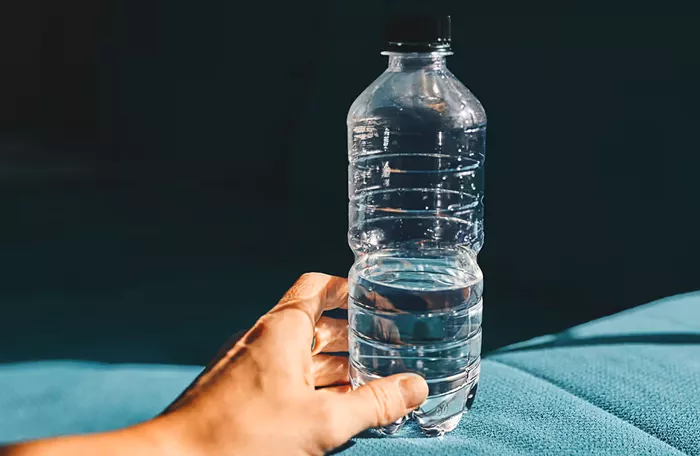
Social media is abuzz with fitness influencers adding electrolyte powder packets to their water bottles, but does every workout require electrolytes, or is it just a marketing trend? The answer lies somewhere in between, according to health experts.
Electrolytes—including sodium, potassium, magnesium, and calcium—are vital for optimal hydration. While a balanced whole-food diet typically replenishes these minerals, excessive sweating or illness can deplete them, making supplements necessary. Losing too many electrolytes through sweat may lead to fatigue, cramps, or poor focus, highlighting their role in keeping the body functioning properly.
For most people in temperate climates who exercise in air-conditioned spaces for around 60 minutes, electrolyte supplements are rarely needed. Water and a meal of whole foods suffice. However, elite athletes, those training twice daily, or individuals in extreme conditions should pay closer attention.
When Should You Drink Electrolytes?
Electrolyte supplements aren’t daily essentials, but they become critical in specific scenarios. Harrast explains, “Electrolytes in exercise beverages aid gut absorption of fluids, helping maintain hydration. Water with sodium is absorbed faster than plain water, making it a smart strategy when dehydration risk is high—like during long workouts or in hot, humid conditions.” Here are key situations to prioritize electrolytes:
Extended Exercise Sessions
Long, intense workouts drain more than just water—they deplete electrolytes, especially sodium. Harrast notes, “In endurance sports like half or full Ironman races (over 4–5 hours), electrolyte supplementation is likely necessary.” Post-workout fatigue, lightheadedness, or cramps signal the need for replenishment, which speeds recovery and reduces muscle strain risk. For 60-minute or shorter workouts, water and whole foods are sufficient, but longer sessions or two-a-day training call for supplements.
Extreme Heat or Humidity
Hot, humid environments trigger rapid sweating, accelerating electrolyte loss. Whether working, exercising, or walking outdoors in 90°F+ temperatures or 65%+ humidity, dehydration can set in within 20 minutes. Electrolyte drinks help prevent heat exhaustion symptoms like dizziness or muscle cramps. They’re essential for destinations like Joshua Tree (100°F+ summers) or Caribbean locales (80% humidity).
Illness Recovery
Flu, stomach bugs, or fevers cause fluid and electrolyte loss through diarrhea, vomiting, or sweating. This depletion contributes to post-illness exhaustion. Sodium and potassium aid fluid absorption, so electrolyte-rich beverages support faster recovery by replenishing these key minerals.
What Are Electrolytes?
Electrolytes are charged minerals critical for hydration, muscle function, recovery, and nerve signaling. The primary ones include:
- Sodium: Balances bodily fluids.
- Potassium: Supports muscle function and recovery.
- Magnesium: Aids relaxation.
- Calcium: Strengthens bones and muscles.
Excess loss occurs during extended exercise, heat/humidity exposure, or illness (especially with fever or stomach issues). Replenishing these minerals is key in such cases.
Do You Need Daily Electrolyte Supplements?
Most people get enough electrolytes from a healthy diet: bananas (potassium), leafy greens (magnesium), dairy (calcium), and packaged/restaurant foods (sodium). Supplements are only necessary under stress: workouts over 60 minutes, 90°F+ heat/65%+ humidity, or illness with fever/stomach upset. Moderate exercise or good health rarely requires daily supplementation.
Choosing the Right Electrolyte Supplement
Opt for products balancing key minerals without excess sugar or fillers. Here’s what experts recommend:
1.Sodium
Reitmayer advises, “Look for 230–690mg of sodium per serving.” Sodium is the main electrolyte lost in sweat; even 1–2% body weight loss from sweating causes high heart rates and exhaustion, and sodium improves fluid retention. “Salty sweaters”—those with white residue on skin/clothes post-workout—may need extra sodium, as their sweat has higher salt concentration, Harrast adds.
2.Other Electrolytes
Potassium (200–400mg), magnesium (50–200mg, avoiding oxide or citrate to prevent stomach upset), and calcium (100–200mg) support muscle function and hydration. While not lost as heavily as sodium, a well-rounded supplement includes all four.
3.Added Sugar
Avoid supplements with over 10g of added sugar; opt for stevia or monk fruit sweeteners instead. Exceptions may apply if using electrolytes as a carb source, but healthier carb options exist.
4.Convenience
Supplements come in powders, tablets, packets, or ready-to-drink bottles. Single-serve packets or effervescent tablets suit travelers, while ready-to-drink bottles offer quick access at convenience stores.
READ MORE
