
Prostate cancer remains the second-leading cause of cancer death among American men, with resistance to conventional androgen-deprivation therapy (ADT) posing a major treatment challenge.
Recently, new FDA-approved treatments like Olaparib target castration-resistant prostate cancer (CRPC) but only benefit patients whose tumors carry mutations in DNA repair genes, specifically homologous recombination repair (HRR) genes—found in under 30% of CRPC cases. This leaves the majority of patients without effective options.
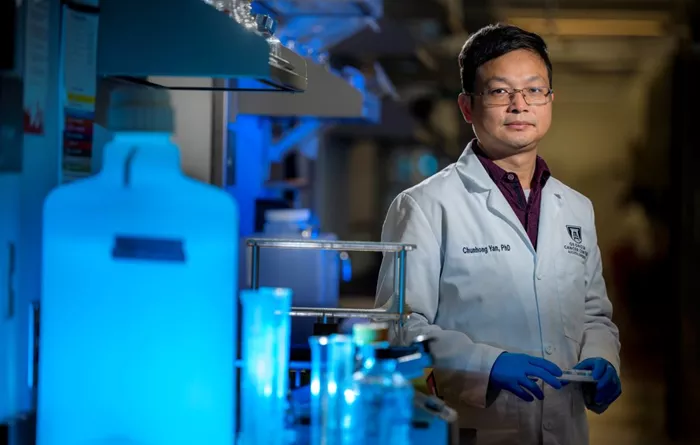
Dr. Chunhong Yan, a professor at the Georgia Cancer Center and Medical College of Georgia, is addressing this critical gap with his research titled “Mitochondrial Uncoupling for Prostate Cancer Therapy.”
His innovative approach aims to repurpose FDA-approved drugs to sensitize HRR-intact prostate cancer cells to PARP inhibitors—a class of drugs that induce DNA damage cancer cells normally repair using HRR genes.
By targeting mitochondrial functions, Dr. Yan hopes to make prostate cancer cells vulnerable to these therapies, potentially broadening treatment applicability beyond patients with HRR mutations.
Currently, Dr. Yan’s team is assessing the safety and efficacy of this strategy using genetic mouse models, with the goal to initiate clinical trials within three to four years. While focused on prostate cancer, this research could extend to other cancers such as ovarian and breast cancer.
Funding from organizations like Paceline, which has raised nearly $1.7 million to support innovative cancer research at the Georgia Cancer Center since 2019, has been essential to advancing this promising work.
This research represents a hopeful step toward more effective treatments for a majority of prostate cancer patients who currently face limited options.
Read more:
