
“Rat urine disease” surged to the top of social media, triggering widespread discussion. Each flood season, especially after floods, this disease, which “hides” in stagnant water, enters a high – incidence period but is often overlooked by people. So, what exactly is “rat urine disease”, what are its typical symptoms, and how can it be prevented during the frequent – rainfall flood season? Let’s take a closer look.
What is “Rat Urine Disease”?
Rat urine disease is actually leptospirosis, as commonly referred to in medicine. It is a zoonotic disease caused by pathogenic leptospira. This disease is prevalent worldwide and is a Class B infectious disease subject to legal reporting in China.
The typical symptoms of this disease include high fever, headache, conjunctival congestion, calf pain, and weakness. Severe cases of leptospirosis are characterized by jaundice, renal insufficiency, and bleeding tendencies. Severe pulmonary hemorrhage is an important manifestation of severe leptospirosis. Although rare, its fatality rate is as high as 50% – 70%.
According to the Chinese Center for Disease Control and Prevention, in 2024, there were 459 cases of leptospirosis in China, with no reported deaths. The disease can occur throughout the year, and in China, its prevalence seasonally mainly concentrates in summer and autumn. After rainfall, special attention is needed. Previously, there was a case where someone entered the ICU after bare – foot contact with rat urine in the fields.
In September 2024, after a heavy rainstorm, Xiao Li in Guangdong rolled up his trouser legs and went to work in the fields as usual. A few days later, he began to experience symptoms such as fever, general weakness, and headache. “At first, I thought it was just a common cold and didn’t pay much attention. But the symptoms got worse and worse, and eventually, I was admitted to the ICU,” Xiao Li recalled.
Looking back on the process of getting sick, Xiao Li was confused about where the problem lay. Later, he was diagnosed with leptospirosis. Doctors believed that Xiao Li might have been infected by coming into contact with stagnant water contaminated by rat urine while bare – foot.
“When it rains, the leptospira hidden in animal urine may flow into puddles along with the rain. If someone comes into contact with the sewage, such as playing in a stream, working in the fields, working on the water, or swimming in the wild, the leptospira will take the opportunity to penetrate the human body,” said Li Linghua, a chief physician at the Infectious Disease Center of the Eighth People’s Hospital Affiliated to Guangzhou Medical University.
Are Only Rats Capable of Transmitting Leptospirosis?
There are a wide variety of host animals for leptospirosis, which are extensively distributed. In China, leptospira has been isolated from 67 species of animals. The main host animals closely related to humans include rodents such as Apodemus agrarius and Rattus flavipectus, as well as domestic animals such as pigs and dogs. These animals continuously excrete bacteria through their urine, contaminating the environment, and are the main sources of infection for this disease.
When human immunity is low or the skin is damaged, coming into contact with the environment such as sewage and soil makes it easy to get infected. In addition, foods, drinks, and takeouts gnawed by rats may also become indirect transmission media, so the risk of food – borne infection needs to be vigilant. Therefore, drinks and foods soaked by floodwater must not be eaten.
How to Prevent Leptospirosis?
During heavy – rain weather, it is advisable not to go out unless necessary. If going out is inevitable, avoid contact with contaminated water. Before activities such as field work and water operations, take preventive measures as much as possible, such as wearing waterproof boots and gloves. Avoid swimming in waters with unknown water quality.
For domestic animals, regular vaccination and physical examinations should be carried out, and at the same time, keep their living environment clean and hygienic. Avoid contact with wild animals, especially rats and other animals that may carry leptospira.
Leptospirosis is a vaccine – preventable disease. Currently, routine vaccination of leptospirosis vaccine is not arranged in China. In the event of a leptospirosis epidemic or when a flood disaster is likely to lead to an outbreak of leptospirosis, emergency vaccination of the leptospirosis vaccine is carried out for key populations.
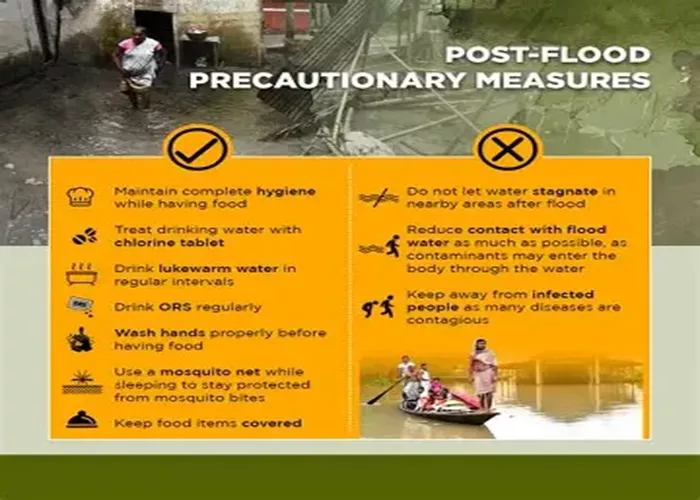
Recently, there have been heavy – rain and flood disasters in many places. After the flood recedes, it does not mean that the disaster risk has been eliminated. Attention also needs to be paid to personal health protection after the disaster. Stay vigilant and respond scientifically.
Do not wash hands, face, or other items with water contaminated by floodwater. Strengthen hand hygiene. Wash hands before preparing food, breastfeeding, before meals, after using the toilet, before and after taking care of patients, after contacting animals or their carcasses, and after contacting garbage.
The humid environment brought by floods is prone to induce the growth of indoor molds, affecting respiratory health. Thoroughly ventilate and clean before returning home, and if necessary, dehumidify and disinfect the house.
After the flood, the stagnant water everywhere on the street will become a breeding ground for mosquitoes. To prevent mosquito – borne infectious diseases such as chikungunya and dengue fever, it is recommended to spray mosquito repellent on the body in advance when going out and try to wear long – sleeved clothes and long pants.
Do a good job in personal health monitoring. If symptoms such as diarrhea, vomiting, fever, or abdominal pain occur after contacting floodwater or eating contaminated food, seek medical attention in a timely manner.
The National Emergency Radio reminds that with frequent rainfall in many parts of the country recently, when going out, pay attention to avoiding standing water on the road surface. If there are wounds on the feet or legs, avoid wading. Once symptoms such as fever, headache, and calf pain occur, seek medical treatment as soon as possible.
Related topics:
“Angel Journey” in Anyang: Screen, Aid Congenital Heart Disease Kids
Revolutionary X-ray: Noise to Data, Captures Femtosecond Electron Motion
Experts Warn Against Excessive Sweating Amid Summer Sauna Craze
