
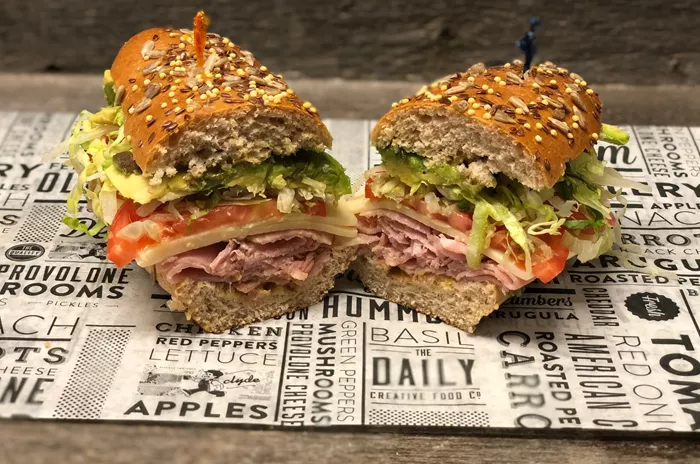
A common staple in the American diet — the sandwich — may be quietly affecting mental health, according to health experts who warn of a growing link between gluten, gut health, and emotional well-being.
While mental health discussions often center around therapy, medication, and lifestyle changes, emerging research highlights diet as a major but overlooked factor. Experts now point to gluten — a protein found in wheat, rye, and barley — as a potential trigger for symptoms like anxiety, mood swings, and fatigue in some individuals.
“Nutrition is one of the most under-appreciated factors in mental health,” said Dr. Pete Sulack, a Tennessee-based health practitioner and founder of the Be Resilient Program.
Gut-Brain Connection Plays a Key Role
A growing body of research supports the idea that gut health directly influences brain function. Known as the “gut-brain axis,” this connection allows the digestive system and brain to communicate through biochemical signals.
Kim Kulp, a registered dietitian nutritionist based in the San Francisco Bay Area, explained that gut microbes respond to food choices and play a role in regulating mood.
“If the diet lacks essential nutrients, the brain doesn’t get what it needs to function at its best,” Kulp said.
The Gluten Debate: More Than Just Celiac Disease
Although gluten is most commonly associated with celiac disease — an autoimmune condition — experts warn that non-celiac gluten sensitivity may also contribute to mental health challenges.
According to Sulack, gluten can increase intestinal permeability, often referred to as “leaky gut.” This condition allows inflammation to spread throughout the body and brain, potentially disrupting neurotransmitters and exacerbating symptoms such as brain fog, depression, and anxiety.
“We see clear improvements in mood and focus when patients eliminate gluten and other inflammatory foods,” Sulack reported.
Processed Bread Poses Higher Risks
Experts emphasize that not all bread is equally harmful. Highly processed breads — often made with refined flours and chemical additives — are more likely to cause inflammation.
“It’s the modern, ultra-processed bread that tends to trigger symptoms,” said Sulack.
These types of bread are frequently found in sandwiches, pizza crusts, and fast food items. They often contain added sugars, seed oils, and preservatives that further fuel inflammation, according to experts.
Not Everyone Needs to Avoid Gluten
Despite the concerns, Kulp cautions against cutting gluten without a medical reason.
“If you don’t have celiac disease or a diagnosed gluten sensitivity, gluten hasn’t been shown to be harmful to mental health,” she said.
In fact, some dietary patterns that include gluten, such as the Mediterranean diet, are associated with improved cognitive function and reduced depression risk.
Kulp noted that whole-wheat bread offers valuable nutrients and fiber, and cutting it without cause may lead to unnecessary dietary restrictions.
Alternatives for Sensitive Individuals
For those with gluten intolerance or preference for alternatives, several options are available. Gluten-free breads made with quinoa, millet, or fermented grains like sourdough may offer a better digestive experience and fewer inflammatory effects.
“There’s a bread for almost everyone,” said Kulp.
Key Nutrients Support Emotional Health
Both Sulack and Kulp agree that mental wellness relies on specific nutrients often missing from processed foods. These include:
- Omega-3 fatty acids
- Vitamin D
- B vitamins (B6, B12, folate)
- Magnesium
- Tryptophan (an amino acid important for serotonin production)
Deficiencies in these nutrients are commonly seen in individuals struggling with anxiety or depression, they noted.
Conclusion
As researchers continue to explore the gut-brain connection, health professionals are urging the public to consider dietary factors when addressing mood disorders.
“We cannot medicate our way out of what many are eating their way into,” Sulack warned.
Rather than eliminating foods unnecessarily, experts recommend focusing on nutrient-dense meals and whole food options that support both physical and emotional well-being.
READ MORE:
