
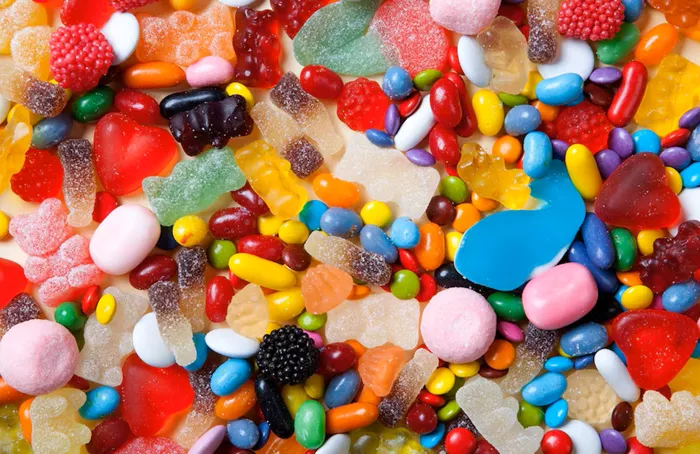
For Atkinson Candy Co., the reddish-orange hue of its iconic Chick-O-Stick candy is more than a visual detail—it’s a decades-long puzzle. The Texas-based company, known for the sweet-salty confection of peanut butter and toasted coconut, embarked on a quest over 12 years ago to replace synthetic dyes with natural alternatives.
What followed was a saga of fading colors, pungent odors, supply chain snarls, and ongoing struggles—mirroring challenges faced by food manufacturers nationwide as they pivot away from artificial dyes.
“The hue was not holding,” said Eric Atkinson, CEO and grandson of the company’s founder, recalling early hurdles. Natural dyes, he learned, are far trickier than their synthetic counterparts: they fade under light, require higher concentrations to match bold shades, and often come with unexpected side effects. One red cabbage-based dye, for instance, reeked of rotting garbage (though the smell dissipated during cooking).
After years of testing mixtures of turmeric, beet juice, and radish extract—only to watch the color fade under LED light—Atkinson’s team finally settled on annatto, a natural coloring from achiote tree seeds, to preserve the Chick-O-Stick’s signature “amber” tone. Yet even now, a decade into the transition, the company hasn’t cracked one code: replicating the bright green of its Christmas mint twists. “They simply cannot find a natural green that hits the hue,” Atkinson said.
The struggle reflects a broader industry shift. Major brands like Kraft Heinz, Nestle, and General Mills, along with ice cream makers, have pledged to phase out synthetic dyes in response to federal and state pressure. The Trump administration and health officials, including Health Secretary Robert F. Kennedy Jr., have pushed for bans over safety concerns, citing studies linking artificial dyes to childhood behavioral issues—though the FDA has long deemed them safe. States like California and Texas have also moved to restrict synthetic dyes.
Synthetic dyes, derived from petroleum and listed by numbers (e.g., Red No. 40, Yellow No. 5), are cheap and stable, but natural alternatives—made from plants, spices, or even insects—pose their own challenges. They’re often 10 times more expensive, rely on imported, seasonal ingredients (like 70,000 cactus-dwelling insects to make 2 pounds of carmine red), and face supply chain risks: In 2021, a stuck container ship in the Suez Canal delayed a shipment of radishes, leaving Atkinson scrambling for dye substitutes.
The shift also raises questions about safety. While synthetic dyes undergo rigorous FDA testing for heavy metals and contaminants, natural dyes lack post-approval oversight. “A chemical is a chemical,” said Dave Schoneker, a food consultant, noting that natural origins don’t guarantee safety. Lead-tainted applesauce recalls in 2023 highlighted risks of contamination in plant-based ingredients.
For Atkinson, the effort is personal. “We were so close to being all natural,” he said, noting the company’s roots in simple, Depression-era recipes. Today, 90% of its candies use natural dyes, and sales are up 30% year-over-year—a boost Atkinson partly credits to consumer demand for cleaner ingredients.
Yet the journey isn’t over. As the company chases that elusive green for its Christmas mints, it stands as a microcosm of an industry in transition: balancing tradition, consumer expectations, and the messy reality of replacing a century-old synthetic staple with nature’s more finicky palette.
“They say taste is king, but color is queen,” Atkinson said. “The queen is very important.”
READ MORE
Top 5 Lycopene Supplement To Buy
Can Antioxidant-Rich Veggies Help Prevent Gray Hair?
Patients Allege Botched Surgeries at National Cosmetic Chains
