
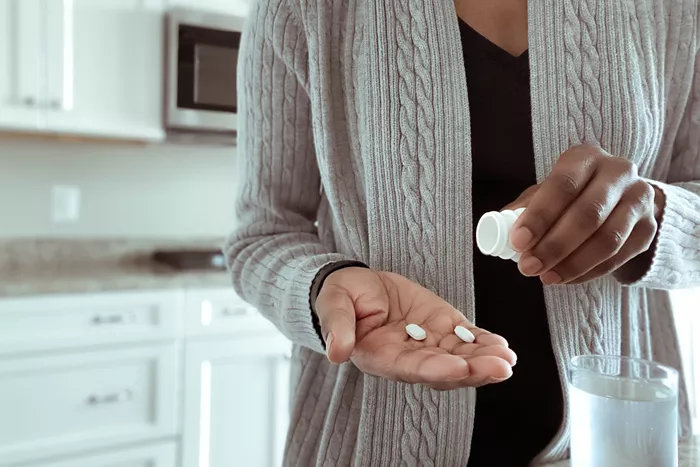
A sweeping new scientific review has cast a critical eye over 64 over-the-counter (OTC) supplements promoted for easing depression, revealing that while some show encouraging results, many lack robust evidence of effectiveness.
The review, which examined 209 clinical trials involving more than 23,000 study records and 1,300 scientific papers, is one of the most comprehensive evaluations to date of non-prescription products used for depressive symptoms. Researchers sought to determine which remedies were supported by solid clinical data, which showed emerging promise, and which rested on a single, inconclusive trial.
Why Investigate Depression Supplements?
Depression continues to affect millions globally and is often described as an epidemic. In the UK alone, 11.3% of individuals experience mild depressive symptoms, with 4.2% facing moderate symptoms and 3.3% struggling with severe forms. Many people explore various avenues for relief, from antidepressants and talking therapies to mindfulness and physical activity.
OTC supplements have become a popular option due to their easy accessibility in pharmacies, supermarkets, health food shops, and online platforms. Yet with so many products on the market — amplified by the booming wellness industry and unregulated online advice — consumers are often left unsure about which remedies are safe, effective, or evidence-based.
The Scope of the Study
The research team undertook a rigorous evaluation of clinical trials where OTC supplements were taken for more than one week by adults aged 18 to 60 showing depressive symptoms or with a clinical diagnosis. The study also examined evidence from older adults separately to detect any age-based differences in efficacy.
Navigating the diverse international landscape of supplement regulation was a challenge, with product popularity and legal status varying widely between countries. With help from public volunteers, researchers filtered out lesser-known or culturally specific products such as “eels’ head powder,” focusing instead on more widely used options.
Which Supplements Showed Strongest Evidence?
Among the 64 OTC products identified, five stood out with substantive evidence — defined as being studied in at least 10 clinical trials:
- Omega-3 fatty acids (39 trials)
- St John’s Wort (38 trials)
- Probiotics (18 trials)
- Saffron (18 trials)
- Vitamin D (14 trials)
Results varied across these products. While fewer omega-3 studies found a statistically significant effect, both St John’s Wort and saffron demonstrated consistent benefits compared to placebo, in some cases comparable to prescription antidepressants. Probiotics and vitamin D also showed a notable ability to reduce depressive symptoms.
Emerging Evidence: 18 Promising Contenders
A second group of supplements showed emerging evidence based on two to nine trials. Among the most promising:
- Folic acid
- Lavender
- Zinc
- Tryptophan
- Rhodiola
- Lemon balm
In addition, bitter orange, Persian lavender, and chamomile tea each showed positive outcomes in two separate trials. However, mixed or inconsistent results were reported for widely used supplements like melatonin, magnesium, and curcumin, as well as vitamin C, cinnamon, and a vitamin D–calcium combination.
Two notable examples with inconclusive or negative findings included prebiotics and S-adenosylmethionine (SAMe), which failed to outperform placebos in available studies.
Limited Evidence for 41 Products
For 41 of the reviewed supplements, only a single trial had been conducted — a starting point, but insufficient for any solid conclusions. Researchers recommend caution when interpreting results from these products and call for further study to establish both safety and effectiveness.
Safety and Reporting Gaps
Encouragingly, the review uncovered few safety concerns for the majority of the OTC products, whether used alone or alongside prescription antidepressants. However, only 69% of trials included complete safety data, highlighting the need for higher standards in adverse event reporting.
Health professionals urge caution, noting that even OTC supplements can interact with other medications. Consultation with a clinician is advised before starting any new product.
Where Should Future Research Focus?
While 89 trials examined supplements taken alongside antidepressants, there is a surprising lack of data on how these products interact with psychological therapies. Moreover, economic assessments — such as whether supplements can reduce healthcare costs — are virtually nonexistent. Only one trial explored this question (with folic acid), which showed no added benefit or cost savings.
The study also uncovered several herbal medicines frequently used by the public — including ginseng, ginkgo biloba, lime flowers, orange blossom, and peppermint — that have yet to be rigorously tested in clinical trials.
What This Means for Consumers
For individuals exploring alternatives or adjuncts to traditional antidepressants,this review offers a science-backed starting point. Supplements like St John’s Wort, saffron, vitamin D, and probiotics appear promising, while others remain under-studied or provide mixed results.
With depression on the rise globally, identifying safe, accessible, and effective interventions is a public health priority. This landmark study not only sheds light on what currently works but also maps out the path for future research into affordable, over-the-counter treatments.
READ MORE
