
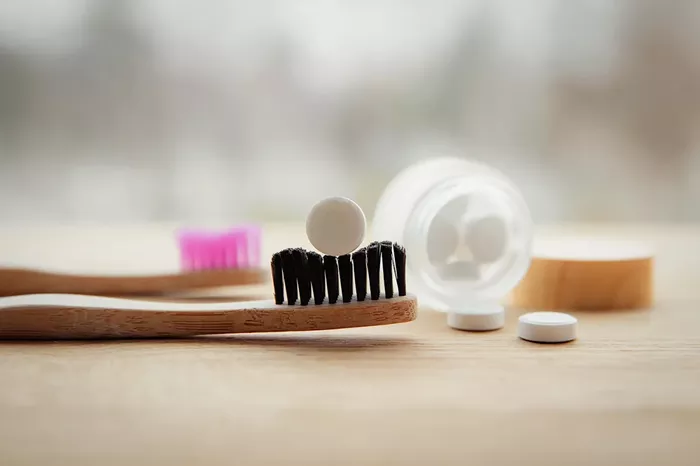
A Wednesday meeting at the U.S. Food and Drug Administration (FDA) erupted into a heated debate over prescription fluoride supplements, with experts clashing over whether the products harm children’s health or are critical for preventing tooth decay in underserved communities.
Pediatric dentists and public health advocates argue the chewable tablets and drops—available only by prescription—are lifelines for families in areas without fluoridated water, those lacking dental insurance, or unable to afford regular care.
“In regions without community water fluoridation or natural fluoride, supplements are key to balancing protection against cavities and avoiding excess,” said Dr. James Bekker of the Utah Dental Association, who spoke at the meeting. He emphasized that prescriptions follow comprehensive assessments of a child’s diet, existing supplements, and other factors.
But critics, including FDA Commissioner Marty Makary and anti-fluoride advocates, questioned the supplements’ safety. Makary has cited concerns that ingested fluoride alters the gut microbiome, pointing to a 2023 Irish study review.
However, that research noted most evidence comes from animal studies, with human data scarce. Its lead author, Gary Moran of Trinity College Dublin, told the panel that fluoride levels deemed safe for oral health likely have “limited impact” on microbiomes but called for more research.
Tensions flared when Dr. Bill Osmunson, a retired dentist with the anti-fluoride Fluoride Action Network, grilled Bekker on his prescribing process, asking, “You ask where they live? Where they go to school?” Bekker stood by his thorough evaluations, but Dr. Johnny Johnson, president of the American Fluoridation Society, dismissed the exchange as a “tactic to discredit” proponents. “It’s a popularity contest, not a scientific debate,” Johnson said.
The debate also highlighted regulatory gaps: Fluoride supplements have been used for decades but never underwent formal FDA approval, as they predate modern requirements to prove safety and efficacy. Critics, including toxicologist Linda Birnbaum, urged clearer data on benefits and risks. “We need to understand the full picture,” she said.
Major groups like the American Academy of Pediatrics and U.S. Preventive Services Task Force recommend the supplements for children 6 months and older in non-fluoridated areas, typically from age 5 until permanent teeth emerge (around 13–14). They are low-cost, unlike over-the-counter vitamins, which exclude fluoride (available OTC only in toothpaste and mouthwash).
Dr. Brett Kessler of the American Dental Association pleaded for calm: “Let’s filter out the noise and not give in to anti-fluoride hysteria.” No vote on the supplements was taken, with a final FDA decision expected in October.
READ MORE
Why Modern Diets Are Making Our Teeth Crooked
Top 6 Affordable Teeth Whitening Products Backed By Dental Experts
