
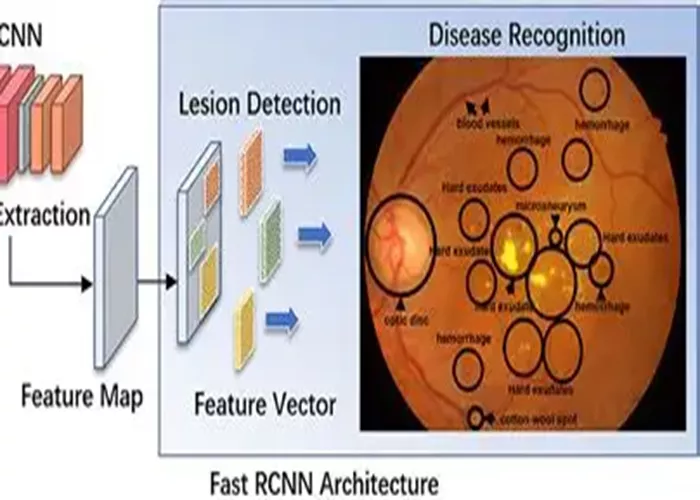
A groundbreaking “Smartphone AI Retinal Tracker” developed by researchers at the University of Texas Health Science Center can analyze retinal images in just one second with 99% accuracy, marking a major leap forward in early screening for diabetic retinopathy, according to a report by Phys.org on July 15.
This innovative device integrates artificial intelligence into a portable system, enabling ordinary smartphones to perform professional-grade retinal image analysis through deep learning algorithms. The technology not only enhances screening efficiency for ophthalmologists but also empowers primary healthcare workers to conduct eye health checks during routine consultations—particularly valuable for delivering high-quality retinal assessments in resource-poor regions.
With over 100 million people worldwide living with diabetes, diabetic retinopathy has emerged as the leading cause of preventable blindness. To address this critical issue, the research team compiled a diverse database of tens of thousands of retinal images across different ethnic groups, ensuring broad representativeness in their AI training.
The system boasts three key advantages verified in trials: it can stage diabetic retinopathy in one second, accurately distinguish it from other similar eye conditions, and operate with simplicity at a manageable cost. These features make it uniquely suited for scaling up screening efforts in both developed and developing healthcare settings.
“By equipping mobile medical devices with professional ophthalmic capabilities, this technology has the potential to screen billions globally, fundamentally transforming how we prevent and treat diabetic eye diseases,” said lead researchers in statements accompanying the announcement.
Diabetic retinopathy progresses silently, often showing no symptoms until irreversible damage occurs. Early detection through regular screening is critical to preserving vision, yet access remains limited in many areas due to equipment costs, specialist shortages, and logistical barriers.
The smartphone-based system circumvents these obstacles by leveraging ubiquitous mobile technology. Its rapid analysis time allows for integration into busy clinical workflows, while its high accuracy ensures reliable results without requiring on-site ophthalmologists.
Public health experts anticipate the device could significantly reduce blindness rates associated with diabetes, particularly in low- and middle-income countries where diabetes prevalence is rising fastest. By enabling early intervention—from lifestyle adjustments to laser treatments—the AI tool bridges a critical gap in preventive care.
As the research team moves toward commercialization and regulatory approvals, further studies will focus on validating performance across diverse patient populations and healthcare environments. If successfully deployed, this innovation promises to democratize access to life-saving retinal screening, making eye health monitoring as accessible as a smartphone camera.
Related topics:
6 Evidence-Based Strategies to Reverse Fatty Liver Disease in men
Just 2% More Muscle Slashes Body Fat and Stabilises Blood Sugar in Men
Slight Blood Sugar Spikes Undermine Male Virility, New Study Finds
