
More than half of large U.S. employers are planning to reduce healthcare benefits in 2026, citing mounting pressure from skyrocketing costs of weight-loss medications and other specialty drugs, according to a new Mercer survey released Wednesday.
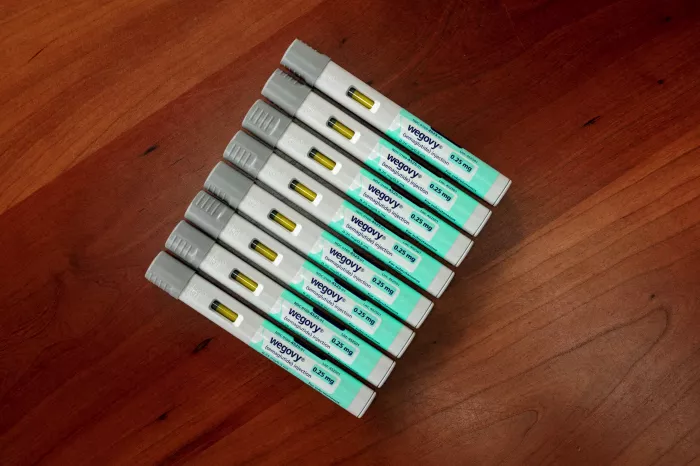
The growing financial burden of covering GLP-1 weight-loss drugs like Novo Nordisk’s Wegovy and Eli Lilly’s Zepbound has forced many employers to consider shifting more costs to employees.
Among companies with 500 or more workers, 51% reported plans to increase cost-sharing, including higher deductibles and out-of-pocket limits—up from 45% who said the same for 2025.
Healthcare cost inflation is being driven significantly by GLP-1 agonists, a class of drugs originally developed for diabetes but now widely prescribed for weight loss.
These medications, while offering potential long-term health benefits, come with price tags of over $1,000 per month. Despite insurance discounts, many health plans are shouldering unsustainable costs.
Alysha Fluno, a pharmacy innovation leader at Mercer, warned that the rapid adoption of GLP-1s is forcing a difficult financial conversation. “More clients are saying, ‘I don’t know how much longer we can sustain covering these medications,’” she explained.
Prescription drug expenses overall rose by 8% in 2023, and Mercer forecasts a 5.8% increase in total healthcare benefit costs in 2025. Employers now face a dilemma: continue offering broad access to high-cost medications or tighten health coverage to preserve overall affordability.
Some companies initially viewed GLP-1 coverage as a preventive investment—hoping for future savings from reduced obesity-related conditions like diabetes and cardiovascular disease. But the immediate costs are outweighing projected long-term benefits for many employers.
As a result, 40% of employers are exploring new contracting models, including pricing based on a drug’s acquisition cost to pharmacies. This shift reflects increasing dissatisfaction with traditional pharmacy benefit managers (PBMs) like CVS Caremark, Express Scripts, and Optum Rx, who are criticized for lacking transparency and potentially inflating drug prices.
A growing number—34% of employers—are now considering switching PBMs in favor of emerging models that promise more transparency and better alignment with patient needs. Regulators have intensified scrutiny of the largest PBMs, accusing them of steering patients toward higher-priced drugs, an allegation the industry denies.
Meanwhile, major purchasers like CalPERS, the second-largest public health benefits buyer in the U.S., are also shifting gears. This week, CalPERS announced it will switch to CVS Caremark in 2026, replacing Optum Rx. The five-year contract mandates increased oversight and transparency.
As weight-loss drug demand continues to grow and new competitors enter the market, experts like Fluno remain hopeful that enhanced competition may eventually lower prices. Until then, American workers may see reduced coverage and higher personal costs as employers struggle to balance innovation and affordability in healthcare.
Related topics:
Top 20 Zero-Calorie Foods That Support Men Weight Loss Goals
New FDA Labeling to Warn of Weight Loss Risk in ADHD Medications
Alternate Day Fasting May Outperform Daily Dieting for Weight Loss
