
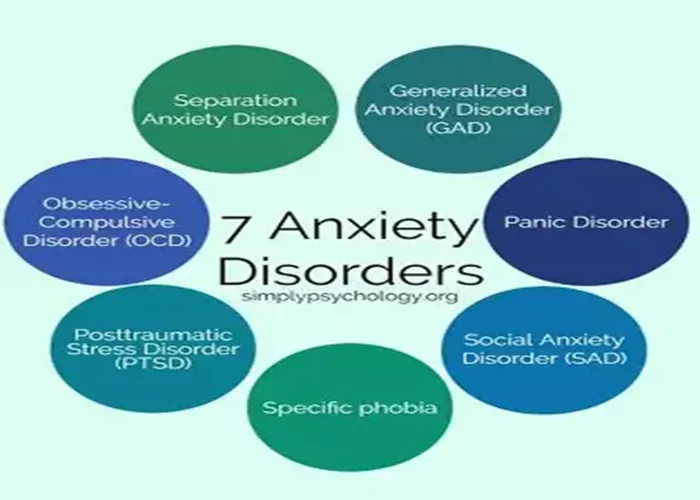
An anxiety disorder is a mental health condition marked by intense fear or worry, affecting millions of Americans. For instance, 15 million U.S. adults live with social anxiety disorder, while 6 million struggle with panic disorder. These conditions can disrupt daily life, but understanding their types, causes, and treatments is key.
Generalized Anxiety Disorder (GAD)
GAD involves excessive worry or fear most days for at least six months, spanning areas like relationships, work, and health. It affects nearly 6% of adults at some point. Symptoms include sleep issues, poor concentration, fatigue, restlessness, irritability, and muscle tension. While genetics and family environments may play roles, causes aren’t fully clear. Diagnosis involves assessments by healthcare or mental health professionals. Treatment often combines psychotherapy (e.g., CBT) and medication.
Panic Disorder
This involves recurring sudden panic attacks with intense fear or loss of control, untriggered by real danger. It’s over twice as common in women. Attack symptoms include breathing difficulties, dizziness, rapid heartbeat, chest pain, and sweating. Sufferers often fear recurrence and avoid past attack locations. Trauma may increase risk. Treatment includes CBT, relaxation techniques, and medication.
Social Anxiety Disorder (SAD)
SAD causes fear around social interactions, more prevalent in women, with severe symptoms. Signs include avoiding social situations, extreme shyness, and overthinking interactions. Family history and stress may contribute. Diagnosis can happen via virtual appointments (easier for sufferers), with treatment involving therapy, medication, or both.
Separation Anxiety Disorder
Intense fear of separation from attachments, normal in young kids but problematic if persistent beyond school age. It affects teens and adults too. Symptoms include sleep issues, reluctance to leave home, and physical illness when separated. Trauma or home instability raises risk. Treatment includes talk/play therapy for kids and therapy/medication for adults.
Phobias
Irrational, intense fear of low-risk things, often with multiple phobias (e.g., spiders and heights). Symptoms include avoidance, breathing issues, and sweating. Traumatic events or repeated warnings about a feared object may cause them. Treatment involves talk therapy and exposure therapy.
OCD and PTSD: Reclassified
Once grouped with anxiety disorders, these are now separate:
OCD: Involves unwanted thoughts (obsessions) and repetitive behaviors (compulsions), affecting 3 million U.S. adults. Treated with therapy and medication.
PTSD: Follows trauma, with symptoms like flashbacks, avoidance, and hypervigilance. It affects 6% of Americans, more women due to higher trauma rates. Treatments include CBT, EMDR, and medication.
Living with Anxiety
Anxiety disorders are treatable, with 85% of patients benefiting from treatment. Coping strategies include relaxation exercises, mindfulness, social support, journaling, and healthy lifestyle habits.
Related topics:
New Review Downplays Antidepressant Withdrawal Risks in Long-Term Users
Top Sign You Were Raised by a Narcissistic Parent
One in Three Teens in U.S. Now Have Prediabetes, CDC Reports
