
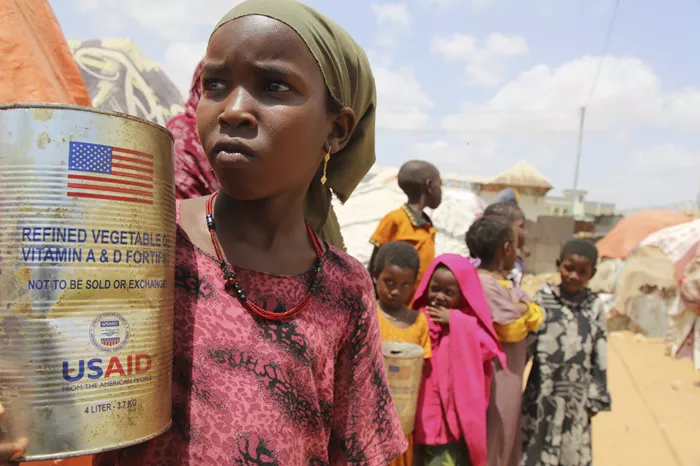
A dramatic rollback of global health funding by the U.S. government could result in over 14 million deaths over the next five years, with researchers warning of severe consequences for some of the world’s most vulnerable populations.
According to a new study published in The Lancet, sweeping cuts to the U.S. Agency for International Development (USAID) are expected to disrupt critical healthcare services that have long helped prevent disease and save lives worldwide.
The analysis shows that from 2001 to 2021, USAID-supported programs helped avert nearly 92 million deaths across 133 countries, including more than 25 million from HIV/AIDS, 11 million from diarrheal illnesses, 8 million from malaria, and nearly 5 million from tuberculosis.
But recent funding changes threaten these gains. Secretary of State Marco Rubio’s March decision to eliminate 83% of USAID programs—calling them inconsistent with “core national interests”—has already forced the closure of health clinics, halted medication distribution, and paused access to clean water and nutrition in many low-income regions.
The new projections estimate that if current cuts continue through 2030, approximately 14 million people could die due to the withdrawal of services—4.5 million of them children under five. Some experts believe these numbers may be conservative. A separate model from a Boston University researcher calculated the cuts are currently contributing to 88 preventable deaths per hour.
“The numbers are striking,” said Davide Rasella, lead author of the study and a research professor at the Barcelona Institute for Global Health. “Millions of people are at risk due to the abrupt dismantling of these health systems.”
The implications are not limited to individual countries. Experts warn of global ripple effects. As funding from the U.S. diminishes, other nations—including European donors—are reportedly following suit, further straining the humanitarian sector. The United Nations has confirmed it is now facing the most severe funding shortfall in its history for international aid efforts.
Critics of the policy, including global health experts like Professor Amira Albert Roess of George Mason University, say the sudden nature of the shutdown has worsened the impact. In some communities, USAID-funded clinics were the only reliable source of healthcare.
“There was no transition plan,” Roess said. “People missed lifesaving medication doses. For diseases like HIV, that can be a death sentence.”
The cuts have sparked a legal challenge from former USAID employees and foreign service officers, arguing that the changes are not only harmful but potentially unlawful. However, as litigation unfolds, communities around the world continue to feel the immediate effects.
Once a cornerstone of international development and public health, USAID had managed over $35 billion in assistance last year. The agency supported poverty alleviation, crisis response, and infectious disease control in dozens of countries. With most of those programs now dismantled, advocates warn that global health will suffer not just now, but for decades to come.
Related topics:
