
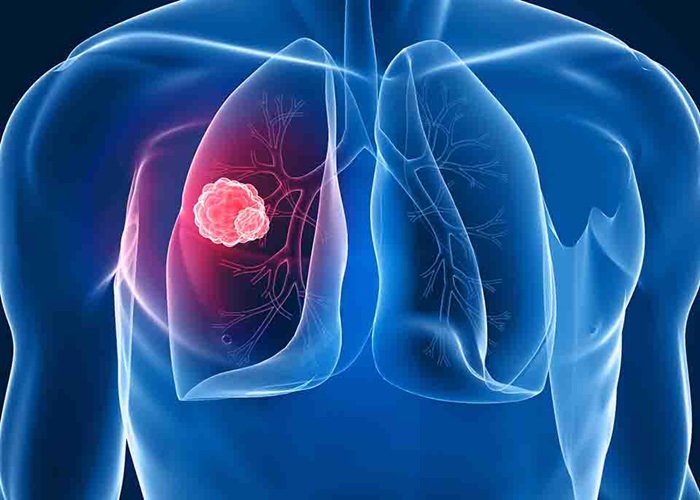
Starting this July, eligible Australians will be able to take part in the country’s first new cancer screening program in nearly 20 years. The program focuses on early detection of lung cancer, aiming to find the disease before symptoms appear and it spreads. Early detection can save lives.
Why Focus on Lung Cancer?
Lung cancer is the fifth most common cancer in Australia. However, it causes more deaths than any other cancer. It affects Aboriginal and Torres Strait Islander people, rural and remote communities, and lower-income groups more than the general population.
The overall five-year survival rate for lung cancer is less than 20%. But if lung cancer is caught early, when the tumor is small and hasn’t spread, about two-thirds of patients survive five years or more.
Who Can Get Screened?
This screening program targets people at higher risk based on their age and smoking history. Unlike bowel cancer screening, which is offered to all older adults, lung cancer screening is only for specific groups.
People aged 50 to 70 with no symptoms of lung cancer are eligible. Symptoms to watch for include breathlessness, a persistent cough, coughing up blood, chest pain, extreme tiredness, or unexplained weight loss.
Current smokers must have smoked the equivalent of 30 “pack years” or more. A pack year is calculated by multiplying the number of cigarette packs smoked per day by the number of years smoked. For example, smoking one pack a day for 30 years equals 30 pack years.
People who quit smoking within the last ten years but had at least 30 pack years before quitting are also eligible.
What Happens During Screening?
If you think you qualify, talk to your GP or health worker. They can refer you for a low-dose CT scan. This scan uses less radiation than a regular CT but can detect small lumps in the lungs called nodules. These nodules may be cancer, scar tissue, or inflammation.
The scan takes about 10 to 15 minutes. You will lie flat on a table while the machine takes images of your chest.
Results are sent to you, your GP, and the National Cancer Screening Register. If your scan is normal, you will be reminded to screen again in two years.
If the scan shows something suspicious, your GP may order another scan in 3 to 12 months. If cancer is suspected, you will be referred to a lung specialist for further tests.
Benefits and Risks of Screening
Studies from other countries show that screening high-risk people reduces deaths from lung cancer. The main goal is to find small cancers early when treatment is more effective.
The risk from radiation is low because the CT scan uses a small dose.
One major risk is a false positive, where the scan suggests cancer but further tests show there is none. This happens in about 10% to 50% of first scans. Most false positives only require another scan. However, about 1 in 100 people with false positives may need an invasive biopsy to check if the nodule is cancerous.
There is also a risk of overdiagnosis, meaning some cancers found may never cause problems during a person’s lifetime. Estimates of overdiagnosis vary widely.
Cost of Screening
The Australian government has allocated A$264 million over four years for lung cancer screening, with $101 million per year after that.
The initial GP visit is free if your GP bulk bills. Otherwise, you may have to pay a fee, which could limit how many people get screened. The low-dose CT scan itself will be free. Further tests and consultations will be charged as usual.
What Should You Do?
If you are between 50 and 70 years old and have a heavy smoking history, talk to your GP about lung cancer screening.
Quitting smoking remains the best way to reduce your risk of lung cancer. If you have quit within the last ten years but were a heavy smoker before, you should still check if you qualify for screening.
Early detection through screening could save your life. Don’t wait—ask your doctor if lung cancer screening is right for you.
Related topics:
