
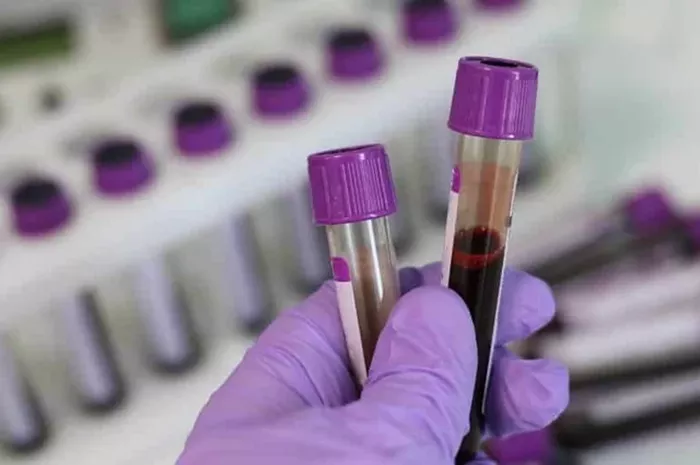
A groundbreaking study led by UCLA researchers reveals that subtle changes in two proteins commonly used to detect heart damage may also predict cancer risk years before symptoms emerge. This discovery could pave the way for earlier cancer detection and improved preventive care.
Heart Proteins Linked to Cancer Risk
The proteins—high-sensitivity cardiac troponin T and N-terminal pro-B-type natriuretic peptide (NT-proBNP)—are well-known markers for heart stress and damage. Elevated levels typically indicate cardiovascular problems such as heart failure or silent heart injury. However, the study found that individuals with slightly higher levels of these proteins faced a significantly increased risk of developing cancer over nearly 18 years of follow-up.
Dr. Xinjiang Cai, who led the research, explained, “These biomarkers are established indicators of cardiovascular risk, but our findings suggest their predictive power extends beyond heart disease.”
Biological Connection Between Heart Stress and Cancer
Both proteins reflect biological processes involving inflammation, metabolism, and vascular stress—pathways that are also implicated in tumor development. For example, inflammation can damage heart tissue while simultaneously promoting tumor growth by helping cancer cells secure blood supply.
The study tracked 6,244 adults from diverse ethnic backgrounds across six U.S. cities, all initially free of heart disease and cancer. Those with troponin levels above 8.8 nanograms per liter developed about three times more cancers than those with undetectable levels. Similarly, participants with NT-proBNP levels above 102.9 nanograms per liter had double the cancer incidence compared to those with the lowest levels.
Organ-Specific Insights and Limitations
The elevated proteins were most strongly associated with colorectal and lung cancers, but not breast or prostate cancers, highlighting the complexity of cancer biology. While prostate cancer was the most common overall in the study, these heart markers did not predict its occurrence.
Previous studies showed mixed results, but the multiethnic design and rigorous methods of this research add confidence to the findings. Still, the researchers caution that factors like age, kidney function, and lifestyle habits such as smoking and obesity influence protein levels and cancer risk.
Practical Implications for Health and Screening
Currently, these heart biomarkers are not recommended for routine cancer screening. However, they could enhance risk assessments when combined with personal medical history, imaging, and other blood tests—similar to how cholesterol levels guide heart disease prevention.
Because each test costs about $20, integrating them into electronic health records might help identify high-risk individuals for targeted cancer screening like colonoscopies or low-dose chest CT scans.
What This Means for You
While more research is needed before these tests become standard in cancer prevention, this discovery underscores the interconnectedness of heart and cancer health. Maintaining a healthy lifestyle—avoiding smoking, managing weight, controlling blood pressure, and staying active—remains crucial for reducing risks of both heart disease and cancer.
Early detection saves lives, and soon, a simple blood test might help doctors spot cancer risks long before symptoms appear, offering new hope for prevention and timely treatment.
Related topics:
