
Nearly 60 million adults in the United States experienced a mental illness in the past year, highlighting the urgent need for effective strategies to support mental well-being.
Emerging research shows that diet plays a crucial role in mental health, offering a practical way to improve mood and cognitive function.
Bianca Coats, a Registered Dietitian, emphasizes the connection between the gut and the brain through the vagus nerve. “We are what we eat,” Coats explains. “The foods you consume send signals to your brain that can influence your mood and mental state.”
She notes that diets high in processed meats, cheese, sugary desserts, and fried foods have been linked to increased risks of depression and Alzheimer’s disease.
Practical Dietary Changes for Better Mental Health
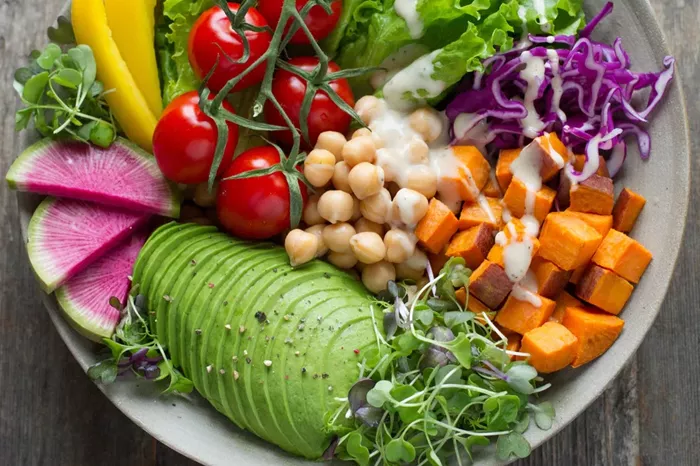
To combat mental health challenges, Coats recommends adopting what is known as the “Mind Diet.” This approach focuses on nutrient-rich foods that support brain health:
Leafy Greens: Spinach, romaine lettuce, and collard greens are excellent choices. These vegetables contain antioxidants and vitamins that help reduce cognitive decline.
Beans: Incorporating beans into meals provides fiber and protein that support overall brain function.
Omega-3 Rich Foods: Fatty fish like salmon and tuna are rich in omega-3 fatty acids, which are essential for brain health.
Fruits and Whole Grains: Blueberries and oatmeal provide antioxidants and steady energy to the brain.
Hydration: A Key to Mental Clarity Coats also stresses the importance of staying hydrated. Dehydration can cause confusion and dizziness, symptoms often mistaken for other health issues.
“If you feel dizzy or mentally foggy, drink water immediately,” she advises. Experts caution against relying on energy drinks for hydration, as they often contain high levels of sugar and caffeine that may worsen mental health.
Conclusion
Improving mental health through diet is a promising and accessible approach. By choosing whole, nutrient-dense foods and maintaining proper hydration, individuals can support their brain function and emotional well-being. As Coats succinctly puts it, “Healthy eating is a powerful tool for a healthy mind.”
Read More:
