
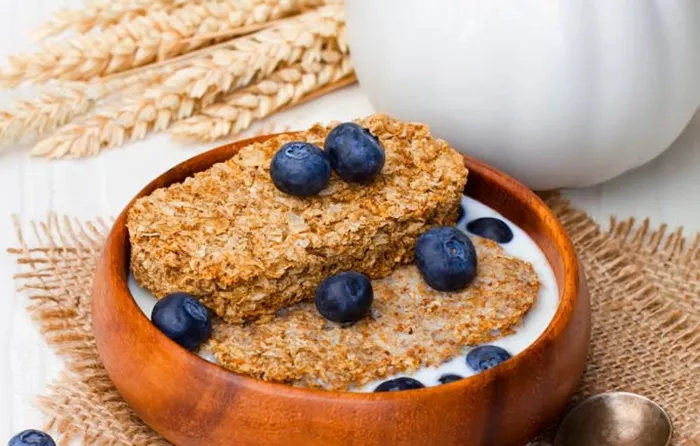
Wheat Bisks, a popular breakfast cereal, may appear healthy but contain several hidden nutritional concerns that could affect long-term health. Despite claims of being whole grain, these biscuits are made from highly processed wheat, resulting in a high glycemic index that causes rapid blood sugar spikes.
Endocrinologist Dr. Miranda Jennings explains that such refined grains can trigger energy crashes and increased hunger shortly after eating.
Another overlooked issue is the sodium content. Although one serving has only about 0.3 grams of sodium, typical consumption often exceeds the recommended portion, leading to a significant intake of sodium early in the day.
Cardiologist Dr. Robert Chen warns this can contribute to hypertension over time when combined with other dietary sodium sources.
The packaging of Wheat Bisks often highlights added vitamins and minerals, a marketing strategy known as the “fortification illusion.” However, these synthetic nutrients, such as iron, are less bioavailable than those found naturally in whole foods like leafy greens or meat, reducing their nutritional benefit.
Sugar content on the label may seem low, but the body rapidly converts the refined carbohydrates into sugar through enzymatic action starting in the mouth.
Metabolic specialist Dr. Natalie Kim notes that the body metabolizes these refined wheat products similarly to table sugar, leading to comparable blood sugar responses.
Protein in Wheat Bisks is incomplete, lacking essential amino acids necessary for a balanced diet, despite claims of providing substantial protein. Additionally, the manufacturing process involves high-temperature extrusion and additives like preservatives and flavor enhancers, which raise concerns about potential harmful compounds and chemical exposure.
Consumers also tend to eat more than the suggested serving size, doubling their intake of processed carbohydrates and sodium without realizing it, perpetuating the illusion of a healthy breakfast choice.
For better nutrition, experts recommend alternatives such as steel-cut oats with berries and nuts, Greek yogurt with flaxseed and fruit, or egg-based breakfasts with vegetables and whole grain toast. These options provide sustained energy and complete nutrition without the drawbacks of processed wheat biscuits.
In summary, regular consumption of Wheat Bisks may contribute to metabolic issues, insulin resistance, and nutritional deficiencies. Choosing whole, minimally processed foods for breakfast supports better health and metabolic balance throughout the day.
Read More:
