
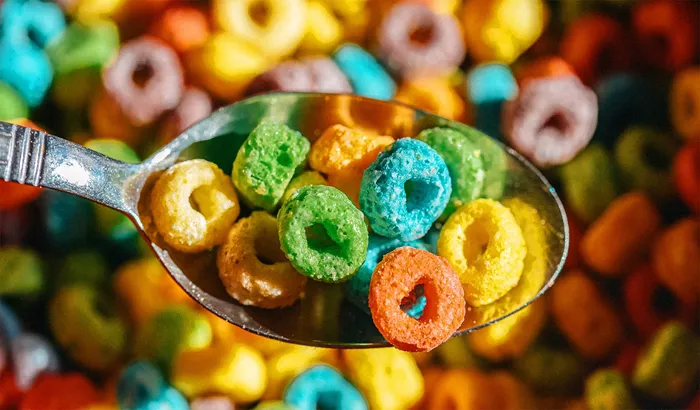
The U.S. Food and Drug Administration (FDA) has approved three new natural color additives for use in foods across the country. These new colors come from algae, minerals, and flower petals — a move that supports growing efforts to replace synthetic dyes with safer, more natural alternatives.
The newly approved additives include:
Galdieria extract blue – a blue color made from algae,
Calcium phosphate – a white color from a naturally occurring mineral,
Butterfly pea flower extract – a natural blue made from dried flower petals.
These ingredients can now be used in a variety of products such as fruit drinks, yogurt, candy, ready-to-eat chicken, and pretzels. The FDA said the change gives food makers more options to use natural colors safely in their products.
This update follows rising health concerns about artificial dyes. Studies have shown that synthetic colors, especially those made from petroleum, may be linked to behavior issues in some children — including hyperactivity and attention problems.
Health groups have pushed for years to remove such dyes from foods. However, the FDA has long stated that these artificial colors are safe for most people when used as approved.
The latest decision supports a 2021 petition from Fermentalg, a French company, for the algae-based blue dye; a 2023 petition from Innophos Inc. in New Jersey for calcium phosphate; and a 2024 petition from Sensient Colors LLC in Missouri for butterfly pea flower extract.
The official rule will be published in the federal register on May 12, and the new color additives will be allowed for use starting in June.
This update is also part of a broader push by U.S. health leaders to reduce the use of synthetic food dyes.
In April, Health Secretary Robert F. Kennedy Jr. and FDA Commissioner Marty Makary said they aim to remove artificial dyes from the food supply by the end of 2026. They plan to do this mostly through voluntary changes by the food industry.
The FDA also said it plans to take steps to ban several older artificial colors. These include Citrus Red No. 2 and Orange B, which are rarely used today, as well as Red 3, which was banned earlier this year due to cancer concerns in animal studies.
A spokesperson for the Department of Health and Human Services said the process to fully remove these dyes will begin in the coming months.
Related topics:
