

You feel like you are holding everything together, but then something inside you snaps. The world becomes loud, your thoughts feel tangled, and you suddenly cannot keep going. You may hear people say, “I had a mental breakdown,” but what does that really mean? What actually happens in your mind and body when you reach this breaking point?
This article focuses on helping you understand what happens when you have a mental breakdown. You will learn the warning signs, the emotional and physical experiences, the psychological processes, the recovery steps, and how to seek support. By the end, you will feel more informed, less alone, and more prepared to act with care—whether for yourself or someone you love.
What a “Mental Breakdown” Really Means
A “mental breakdown” is not a medical diagnosis, but it is a real and powerful experience. People use this term to describe a moment when stress, emotion, or mental illness becomes so overwhelming that daily life feels impossible.
You may feel unable to work, sleep, eat, or even get out of bed. Your mind and body are in severe distress. This experience can happen to anyone, regardless of age, background, or strength.
- It is a crisis moment, not a character flaw.
- It often follows long-term stress or untreated mental health issues.
- It can be temporary, but it needs support and care.
Understanding this term helps you see it as a signal for help, not a failure.
Common Warning Signs Before a Breakdown
Before a mental breakdown, your mind and body often send warning signals. These signs build up slowly, but you may ignore them until they become too strong to handle.
You might feel constantly tired, irritable, or hopeless. You may withdraw from friends, stop enjoying activities, or struggle to focus. Sleep becomes difficult, appetite changes, and small tasks feel huge.
- Constant fatigue that rest does not fix.
- Increased irritability or sudden emotional outbursts.
- Loss of interest in things you once loved.
- Difficulty concentrating or making decisions.
- Withdrawing from social contact.
Recognizing these signs early can help you take action before reaching a crisis.

Emotional Experiences During a Breakdown
When a mental breakdown happens, your emotions can feel overwhelming and uncontrollable. You may cry without reason, feel intense fear, or become numb and disconnected.
Some people experience sudden panic attacks, while others feel deep sadness or emptiness. You might feel trapped, hopeless, or like nothing will ever get better. These feelings are painful but temporary.
Emotional intensity during a breakdown is real and valid. It is your mind’s way of signaling that something needs urgent attention.
Physical Symptoms You May Notice
A mental breakdown is not only emotional—it also shows up in your body. Stress and emotional pain create real physical symptoms that can be frightening.
You might feel chest tightness, rapid heartbeat, shortness of breath, or dizziness. Your stomach may churn, your muscles may tense, and headaches may become frequent. Some people feel shaking, sweating, or dizzy spells.
- Racing heart or palpitations.
- Shortness of breath or feeling unable to breathe.
- Stomach upset, nausea, or loss of appetite.
- Headaches, muscle tension, or body pain.
- Extreme fatigue or insomnia.
These symptoms are real and often linked to intense stress or anxiety.
How Your Thoughts Change
During a mental breakdown, your thinking patterns can shift dramatically. Thoughts may become racing, tangled, or negative. You might feel like you are losing control of your mind.
Some people experience confused thinking, inability to focus, or memory problems. Others have intrusive thoughts, fear of going crazy, or overwhelming guilt. You may feel disconnected from reality or yourself.
These thought changes are common during crisis and do not mean you are “broken.” They are signals that your mind needs support and rest.
The Role of Stress and Burnout
Mental breakdowns often follow long-term stress or burnout. Burnout happens when you are exhausted from ongoing pressure without enough recovery time.
You may feel emotionally drained, cynical, and ineffective. Work, relationships, or caregiving can build stress until your system can no longer cope. When stress becomes too much, a breakdown can occur.
- Chronic stress without rest leads to burnout.
- Burnout weakens emotional and physical resilience.
- A breakdown can be the final response to prolonged overload.
Recognizing this path helps you understand breakdowns as a response to stress, not a personal weakness.
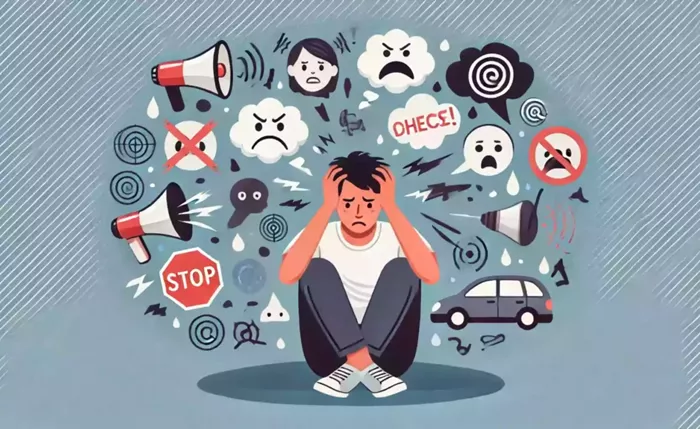
Common Triggers for Mental Breakdowns
Many different events or situations can trigger a mental breakdown. Some triggers are sudden, while others build slowly over time.
Common triggers include major life changes, relationship problems, job loss, financial stress, grief, trauma, or untreated mental health conditions. Sometimes, a small event becomes the final straw after long suffering.
- Loss of a loved one or major relationship ending.
- Job stress, layoffs, or workplace conflict.
- Financial pressure or debt.
- Past trauma resurfacing.
- Untreated anxiety, depression, or other conditions.
Understanding triggers helps you identify risks and prepare better.
What Happens in Your Brain During a Breakdown
When you have a mental breakdown, your brain is under extreme stress. The stress response system becomes overactive, flooding your body with stress hormones like cortisol and adrenaline.
Your amygdala, the brain’s alarm center, becomes highly active. This creates intense fear, anxiety, and emotional reactivity. At the same time, your prefrontal cortex, responsible for reasoning and control, may become less effective.
This imbalance makes it harder to think clearly, regulate emotions, or make decisions. Your brain is in survival mode, trying to protect you from perceived danger.
How a Breakdown Affects Daily Life
A mental breakdown can make daily life feel impossible. Simple tasks like brushing your teeth, cooking, or answering messages become overwhelming.
You may miss work or school, withdraw from friends, or stop taking care of yourself. Relationships can suffer because you feel too exhausted or irritable to connect.
This disruption is temporary but serious. With support and rest, you can gradually regain your ability to function.
When to Seek Immediate Help
Some symptoms during a mental breakdown require urgent help. If you feel like you might hurt yourself or others, or if you feel completely disconnected from reality, you need immediate support.
- Thoughts of self-harm or suicide.
- Inability to care for basic needs.
- Severe confusion or hallucinations.
- Uncontrollable panic or aggression.
In these cases, contact emergency services, a crisis hotline, or go to the nearest hospital. You deserve help and safety.
The Importance of Professional Support
Professional support is one of the most important steps in recovering from a mental breakdown. Therapists, counselors, and psychiatrists can help you understand what happened and how to heal.
Therapy gives you tools to manage emotions, reduce stress, and build resilience. Medication may help when underlying conditions like depression or anxiety are present.
Professional care is not a sign of weakness. It is a sign of strength and self-respect.
Steps to Take During a Breakdown
When you are in the middle of a breakdown, focus on immediate safety and stabilization. You do not need to solve everything at once.
- Reach out to someone you trust.
- Go to a safe, quiet place.
- Practice slow breathing to calm your nervous system.
- Avoid major decisions until you feel more stable.
- Contact a mental health professional.
These steps help you stabilize and create space for recovery.

Recovery and Healing After a Breakdown
Recovery from a mental breakdown takes time, but healing is absolutely possible. You can regain your strength, find balance, and build a life that feels meaningful again.
Healing involves rest, therapy, self-care, and sometimes medication. You also learn healthier coping strategies and set better boundaries to prevent future crises.
- Give yourself time and patience.
- Follow your treatment plan consistently.
- Build a supportive network of friends and professionals.
- Practice gentle self-care daily.
Recovery is a journey, not a single event.
Building Resilience to Prevent Future Breakdowns
After a breakdown, you can take steps to build resilience and reduce the risk of another crisis. Resilience is not about avoiding stress, but about managing it better.
You can learn stress management techniques, improve sleep, exercise regularly, and practice mindfulness. Setting boundaries at work and in relationships also protects your mental health.
- Learn and practice healthy coping skills.
- Maintain regular sleep and nutrition.
- Build strong, supportive relationships.
- Identify and manage stress early.
Resilience is a skill you can develop over time.
How to Support Someone Having a Breakdown
If someone you love is having a mental breakdown, your support can make a huge difference. Listen without judgment, validate their feelings, and encourage them to seek help.
Avoid minimizing their experience or telling them to “just relax.” Instead, offer presence, patience, and practical help like accompanying them to appointments.
- Listen without trying to fix everything.
- Validate their pain and feelings.
- Encourage professional help gently.
- Offer practical assistance.
Your support can be a lifeline during their darkest moment.
Conclusion
When you have a mental breakdown, you experience overwhelming emotional, physical, and mental symptoms that make daily life feel impossible. Warning signs often appear first, and triggers like stress, trauma, or untreated conditions can lead to this crisis. Your brain and body go into survival mode, but recovery is possible with professional support, rest, and self-care.
You are not alone, and you are not broken. A mental breakdown is a signal that you need help and healing. By recognizing signs early, seeking support, and building resilience, you can recover and create a healthier, more balanced life. You deserve care, compassion, and hope.
FAQs
Is a mental breakdown the same as a panic attack?
No. A panic attack is a sudden episode of intense fear with physical symptoms. A mental breakdown is a broader crisis where daily functioning becomes severely impaired, often including panic but also emotional, mental, and physical collapse.
Can a mental breakdown happen to anyone?
Yes. Anyone can experience a mental breakdown, regardless of age, background, or strength. It often results from long-term stress, untreated mental health conditions, or major life challenges.
How long does recovery from a mental breakdown take?
Recovery time varies. Some people feel better in days or weeks with support, while others need months. Consistent treatment, rest, and self-care greatly influence the healing process.
Will I remember everything that happened during my breakdown?
Not always. Some people have clear memories, while others feel detached or forget parts of the experience due to extreme stress or dissociation. This is common and does not mean something is wrong.
Can a mental breakdown lead to long-term mental health conditions?
A breakdown itself is not a diagnosis, but it can reveal or worsen underlying conditions like depression or anxiety. With proper treatment and care, you can manage these conditions and reduce future risk.
