

You wake up one morning feeling heavier than usual, your mind clouded with worry you cannot shake. You wonder: how do I know if I have a mental illness? This question touches millions of people who struggle silently, unsure if their feelings are normal or something more serious.
This article focuses on helping you understand the signs, symptoms, and steps to take if you suspect you have a mental illness. You will learn what to watch for, how symptoms differ from normal stress, and when to seek professional help. By the end, you will have clear, practical knowledge to guide your journey toward clarity and healing.
Understanding Mental Illness Basics
Mental illness refers to conditions that affect your thinking, feeling, mood, or behavior. These conditions can range from mild to severe and may interfere with daily life, work, and relationships. Common types include depression, anxiety, bipolar disorder, and schizophrenia.
Mental illness is not a sign of weakness or something you can simply “snap out of.” It is a real medical condition with biological, psychological, and social causes. Understanding this helps you approach the issue with compassion and clarity.
- Mental illness affects thinking, mood, and behavior.
- It is a medical condition, not a personal failure.
- Common types include depression, anxiety, and bipolar disorder.
Normal Stress vs. Mental Illness
You feel stress, sadness, or worry from time to time, and that is normal. Life brings challenges, and emotions are part of being human. The key difference is intensity, duration, and impact on your life.
Normal stress is temporary and manageable. Mental illness symptoms are persistent, intense, and interfere with daily functioning. If your feelings last weeks or months and make it hard to work, sleep, or connect with others, it may be more than ordinary stress.
Key Warning Signs to Watch For
There are common warning signs that suggest you may have a mental illness. Recognizing these early can help you seek help sooner. Warning signs vary by condition but often overlap.
Pay attention to changes in your mood, sleep, appetite, energy, and behavior. If you notice significant shifts that last for weeks, it is time to take them seriously. You are not overreacting by seeking clarity.
- Persistent sadness or low mood lasting weeks.
- Excessive worry or fear that is hard to control.
- Major changes in sleep or appetite.
- Withdrawal from friends, family, and activities.
Mood Changes That Signal Trouble
Dramatic or persistent mood changes are strong indicators of mental illness. You may feel sad, hopeless, irritable, or empty most of the day. Or you may experience extreme highs and lows that are hard to manage.
Depression often brings persistent sadness, loss of interest, and feelings of worthlessness. Bipolar disorder involves extreme mood swings between depression and mania. If your mood shifts disrupt your life, it is worth exploring further.

Sleep Disturbances and Mental Health
Sleep problems are closely linked to mental illness. You may have trouble falling asleep, staying asleep, or sleeping too much. Poor sleep worsens mood, energy, and cognitive function.
Insomnia is common in depression and anxiety. Oversleeping can also be a sign of depression. If your sleep patterns have changed significantly and persist for weeks, it may indicate an underlying mental health issue.
Changes in Appetite and Weight
Significant changes in appetite or weight can signal mental illness. You may lose interest in food and lose weight, or you may eat more and gain weight. These changes often accompany depression, anxiety, and eating disorders.
Weight changes without intentional dieting are especially noteworthy. If your eating habits have shifted dramatically and affect your health, it is important to consider mental health as a contributing factor.
Loss of Interest and Pleasure
A hallmark sign of depression is losing interest in activities you once enjoyed. You may no longer find pleasure in hobbies, socializing, or sex. This loss of interest, called anhedonia, is a key symptom to watch.
If you feel numb or disconnected from life, it may indicate depression or another mental health condition. This symptom often worsens over time if left untreated.
Fatigue and Low Energy
Constant fatigue and low energy are common in mental illness. You may feel tired even after rest. Simple tasks feel overwhelming, and motivation is hard to find.
Fatigue accompanies depression, anxiety, and many other conditions. It is not just physical tiredness but a deep sense of exhaustion that persists. If rest does not help, mental health may be the cause.
- Feeling tired despite adequate sleep.
- Lack of motivation for daily tasks.
- Physical symptoms without clear medical cause.
Difficulty Concentrating
Mental illness often affects your ability to think clearly. You may have trouble focusing, making decisions, or remembering things. Work or school performance may decline.
Brain fog and poor concentration are common in depression, anxiety, and ADHD. If your mental clarity has dropped significantly, it may be more than just stress or distraction.
Changes in Behavior
Significant behavior changes can signal mental illness. You may isolate yourself, avoid social situations, or act out of character. Substance use may increase as a way to cope.
Reckless behavior, aggression, or sudden anger outbursts are also warning signs. If people around you notice changes in how you act, take their concerns seriously.

Physical Symptoms Without Medical Cause
Mental illness often shows up as physical symptoms. You may experience headaches, stomach problems, chest pain, or muscle tension without a clear medical cause. These symptoms are real and valid.
Psychosomatic symptoms are common in anxiety and depression. If doctors cannot find a physical cause for your symptoms, mental health may be contributing.
Thoughts of Hopelessness or Self-Harm
Thoughts of hopelessness, worthlessness, or self-harm are serious warning signs. You may feel like life is not worth living or that you are a burden. These thoughts require immediate attention.
If you have thoughts of suicide or self-harm, seek help immediately. You are not alone, and help is available. These thoughts are symptoms of illness, not character flaws.
- Feelings of hopelessness or worthlessness.
- Thoughts of death or suicide.
- Planning or thinking about self-harm.
How Long Symptoms Last Matters
The duration of symptoms is crucial in determining if you have a mental illness. Feeling sad for a day after a bad event is normal. Feeling sad most days for two weeks or more is a warning sign.
Most mental health diagnoses require symptoms to persist for a specific period. For depression, it is typically two weeks. For generalized anxiety, it is six months. Duration helps distinguish illness from temporary distress.
How Symptoms Impact Your Life
The impact of symptoms on your daily life is another key factor. If your feelings or behaviors interfere with work, school, relationships, or self-care, it may indicate mental illness.
Ask yourself: Can I function normally? Do I struggle to get out of bed? Do I avoid responsibilities? If the answer is yes, professional evaluation is warranted.
Common Mental Illnesses and Their Signs
Different mental illnesses have distinct signs. Depression brings persistent sadness and loss of interest. Anxiety brings excessive worry and physical tension. Bipolar disorder involves mood swings between depression and mania.
PTSD involves flashbacks and avoidance after trauma. Schizophrenia involves hallucinations or delusions. Eating disorders involve harmful behaviors around food and body image. Knowing these helps you recognize patterns.
Depression: What to Look For
Depression symptoms include persistent sadness, loss of interest, changes in sleep or appetite, fatigue, feelings of worthlessness, and thoughts of death. These symptoms last at least two weeks and impair daily functioning.
Depression is not just “feeling sad.” It is a deep, persistent state that affects how you think, feel, and function. Many people misunderstand depression, but it is a serious and treatable condition.
Anxiety: What to Look For
Anxiety symptoms include excessive worry, restlessness, rapid heartbeat, sweating, trembling, and difficulty concentrating. You may avoid situations that trigger fear. Anxiety interferes with daily life when it is hard to control.
Generalized anxiety, panic disorder, social anxiety, and phobias are common types. Anxiety is highly treatable, but many people suffer without getting help.
Bipolar Disorder: What to Look For
Bipolar disorder involves extreme mood swings between depression and mania. Mania includes elevated mood, decreased need for sleep, racing thoughts, and risky behavior. Depressive episodes mirror major depression.
The swings can be severe and disrupt life significantly. Bipolar disorder requires专业 treatment and often medication. Recognizing both highs and lows is key to diagnosis.
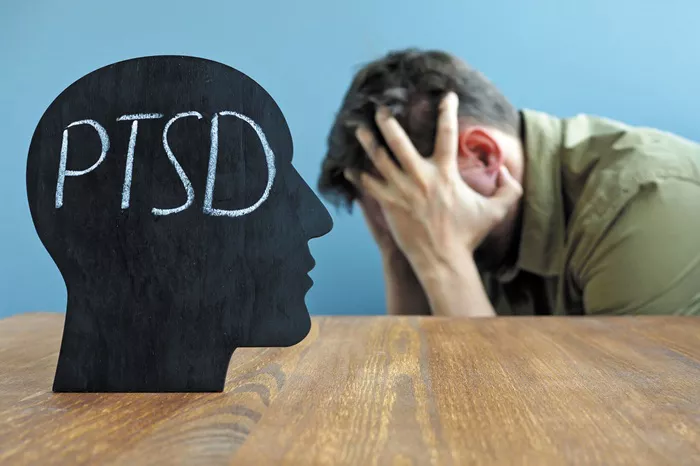
Post-Traumatic Stress Disorder (PTSD)
PTSD develops after exposure to trauma. Symptoms include flashbacks, nightmares, severe anxiety, and avoidance of trauma reminders. You may feel detached from others or overly alert.
PTSD can occur after war, assault, disaster, or abuse. It is not a sign of weakness. With proper treatment, many people recover and regain their lives.
Obsessive-Compulsive Disorder (OCD)
OCD involves unwanted intrusive thoughts (obsessions) and repetitive behaviors (compulsions). You may wash hands excessively, check locks repeatedly, or feel driven to perform rituals.
These behaviors are meant to reduce anxiety but often make it worse. OCD is treatable with therapy and sometimes medication. Recognizing obsessions and compulsions is the first step.
Eating Disorders: Signs to Watch
Eating disorders involve harmful behaviors around food and body image. Anorexia involves severe restriction. Bulimia involves bingeing and purging. Binge eating disorder involves uncontrollable overeating.
Signs include extreme concern with weight, distorted body image, and secretive eating behaviors. Eating disorders are serious and require professional treatment.
Substance Use and Mental Illness
Substance use often coexists with mental illness. You may use drugs or alcohol to cope with symptoms, which often makes them worse. This is called dual diagnosis.
Signs include increased tolerance, withdrawal symptoms, and inability to stop using. Substance use can mask or worsen mental illness. Treating both conditions together is essential.
Why Self-Diagnosis Is Limited
While you can recognize signs, self-diagnosis has limits. Only a qualified professional can diagnose mental illness. Self-diagnosis can lead to misunderstanding or delaying proper care.
Use self-awareness as a starting point, not a final answer. If you suspect mental illness, seek professional evaluation. Accurate diagnosis guides effective treatment.
When to Seek Professional Help
You should seek professional help when symptoms persist for weeks, interfere with daily life, or cause significant distress. If you have thoughts of self-harm, seek help immediately.
Do not wait for symptoms to become severe. Early intervention leads to better outcomes. There is no shame in seeking help. Mental health professionals are trained to support you.
- li>Symptoms last two weeks or longer.
- Daily functioning is impaired.
- You feel overwhelmed or hopeless.
- Thoughts of self-harm or suicide.
Who Can Diagnose Mental Illness
Several professionals can diagnose mental illness. Psychiatrists are medical doctors who can prescribe medication. Psychologists provide therapy and testing. Licensed therapists and counselors also evaluate and treat mental health.
Your primary care physician can also screen for mental illness and refer you to specialists. Start with whoever is most accessible to you. The goal is to get connected with support.
What to Expect at Your First Appointment
At your first appointment, the professional will ask about your symptoms, history, and daily life. They may use questionnaires or screening tools. Be honest and open. Your answers help guide diagnosis and treatment.
You may discuss therapy, medication, or both. Ask questions and express your concerns. You are a partner in your care. A good provider will listen and respect your needs.
Treatment Options Available
Treatment for mental illness includes psychotherapy, medication, lifestyle changes, and support groups. Therapy helps you understand and manage symptoms. Medication can balance brain chemistry.
Combination treatment often works best. Cognitive behavioral therapy (CBT) is highly effective for many conditions. Advances in treatment continue to improve outcomes for millions.
How You Can Support Yourself
While waiting for professional help, you can support yourself. Practice self-care, maintain routine, exercise, sleep well, and eat nutritious food. Connect with supportive people. Avoid isolation.
Keep a journal to track symptoms and moods. Limit alcohol and drugs. Be patient with yourself. Recovery takes time. Small steps lead to big changes over time.
Building a Support System
Support systems are crucial for recovery. Talk to trusted friends or family about what you are experiencing. You do not have to face mental illness alone.
Support groups connect you with others who understand. Online communities can also provide connection. Sharing your story reduces stigma and builds strength.
Breaking the Stigma Around Mental Illness
Stigma prevents many people from seeking help. You may feel shame or fear judgment. But mental illness is common and treatable. Talking openly helps break stigma.
Share your truth when you feel safe. Educate others about mental health. Challenge negative stereotypes. Your courage can help others feel less alone.
Conclusion
You now have a clear understanding of how to know if you have a mental illness. Key signs include persistent sadness, excessive worry, major changes in sleep or appetite, loss of interest, fatigue, difficulty concentrating, and thoughts of hopelessness. If these symptoms last weeks, interfere with daily life, or cause significant distress, it is time to seek professional help. Mental illness is real, treatable, and far more common than you may think. You are not weak, broken, or alone. By recognizing signs early, reaching out for support, and taking action, you can begin your journey toward healing and recovery.
FAQs
Can I diagnose myself with mental illness?
Self-diagnosis has limits. While you can recognize signs, only a qualified professional can diagnose mental illness. Use self-awareness as a starting point, then seek professional evaluation for accurate diagnosis and treatment.
How long do symptoms need to last before I seek help?
If symptoms persist for two weeks or more and interfere with daily life, it is time to seek help. For some conditions like anxiety, symptoms lasting six months or more warrant evaluation. Do not wait for symptoms to become severe.
Is mental illness treatable?
Yes, mental illness is highly treatable. Therapy, medication, lifestyle changes, and support can help you manage symptoms and recover. Many people live full, fulfilling lives with proper treatment.
Will seeking help make things worse?
No, seeking help will not make things worse. Professional support provides clarity, coping tools, and treatment options. Early intervention leads to better outcomes. There is no shame in getting help.
What if I am afraid to tell someone?
It is normal to feel afraid. Start by talking to someone you trust, such as a friend, family member, or healthcare provider. You can also seek help anonymously through helplines. Your courage to reach out is the first step toward healing.
