
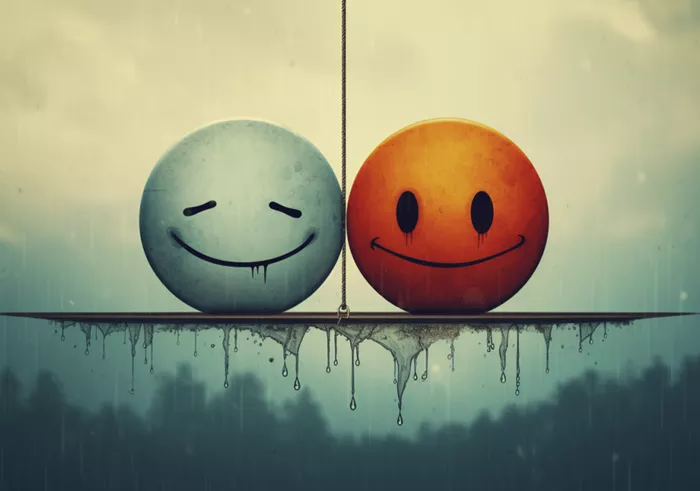
When someone swings from intense energy to deep sadness, you may wonder: what causes bipolar disorder? This mental health condition creates powerful mood swings that can feel confusing, overwhelming, and hard to understand. Bipolar disorder is not a simple “bad mood”; it is a complex mix of biology, chemistry, and life influences.
This article helps you understand what causes bipolar disorder, how manic and depressive episodes form, and how you can support yourself or someone you care about. You will learn about genes, brain chemistry, stress, and lifestyle, and how they all come together in this condition.
What Bipolar Disorder Is
Bipolar disorder is a mental health condition that causes extreme mood swings. These include emotional highs, called manic or hypomanic episodes, and emotional lows, called depressive episodes. Between episodes, many people feel stable and able to live normally.
During mania, a person may feel unusually energetic, restless, excited, or irritable. They may talk faster, sleep less, and take risks. During depression, they may feel very sad, slow, or hopeless. These shifts can be strong and disruptive, but they are not random events.
Brain Chemistry and Neurotransmitters
The brain is like a vast network where tiny chemicals help different parts communicate. In bipolar disorder, this communication can become unbalanced. The main chemicals involved are called neurotransmitters, and they include serotonin, dopamine, and norepinephrine.
Serotonin helps regulate mood, sleep, and calm. Dopamine is linked to motivation, pleasure, and reward. Norepinephrine affects alertness and energy. When these chemicals are out of balance, the brain can flip more easily between high and low states. Medications often aim to help restore this balance.
- Serotonin helps with mood stability and relaxation.
- Dopamine shapes pleasure, drive, and motivation.
- Norepinephrine controls alertness and stress response.
- Imbalances may increase mood swings and emotional extremes.
Genetics and Inherited Risk
Genetics plays a strong role in bipolar disorder. If a close family member has the condition, your risk goes up. However, having a family history does not guarantee that you will develop it. Bipolar disorder is shaped by many factors, not just genes.
Scientists have found that several genes may be involved, each adding a small amount of risk. No single “bipolar gene” exists. Instead, a mix of many genes, along with environment, helps decide whether symptoms appear.
Brain Structure and Function
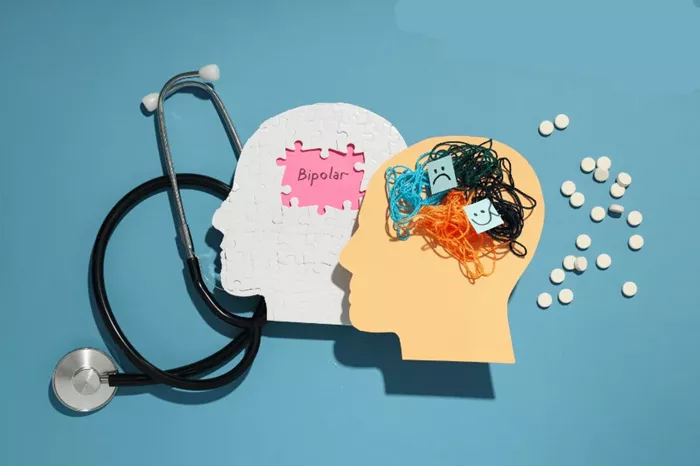
Research also shows that the brains of people with bipolar disorder can look and work a bit differently. Areas involved in mood, thinking, and behavior may be more sensitive or less stable. Emotional regulation centers can become overactive or underactive depending on the mood state.
These differences are not defects; they are patterns linked to biology. Brain imaging studies suggest that the circuits for emotion, decision‑making, and self‑control may be wired in a way that makes mood swings more likely.
Environmental Triggers and Stress
Even if the brain is naturally sensitive, mood episodes often begin after stressful events. Major life changes, loss, conflict, trauma, or chronic stress can act as triggers. These events do not “create” bipolar disorder, but they can pull a person into a manic or depressive episode.
Stress can disturb sleep, hormonal balance, and daily routines, all of which affect the brain. When you add trigger events to biological sensitivity, the risk of a mood swing grows. Managing stress is therefore a key part of care.
- Breakups, job loss, or financial trouble can act as triggers.
- Traumatic or deeply upsetting experiences may spark episodes.
- Constant pressure at work or home can wear down emotional control.
- Gentle routines and support can help reduce this risk.
Sleep, Circadian Rhythms, and Mood
Sleep and the body’s internal clock are closely tied to bipolar disorder. Many people experience mood changes when their sleep schedule is disrupted. Going without sleep, or having very irregular sleep, can push a person toward mania or deep depression.
Circadian rhythms control when you feel awake, alert, or sleepy. When these rhythms are unstable, mood can become unstable too. People with bipolar disorder often benefit from regular sleep times, dimming lights at night, and avoiding long nights of little or no sleep.
Substance Use and Medication Effects
Substances such as alcohol, stimulants, or street drugs can worsen bipolar disorder. They may spark mania, deepen depression, or make symptoms harder to control. Some medications, even if taken for other health problems, can also affect mood stability.
You should be careful with any substance that changes brain activity. If you or someone you know has mood swings, limiting or avoiding alcohol and drugs is important. Always talk with a doctor before mixing medications or supplements.
Childhood Adversity and Early Life Factors
Early life experiences can shape how the brain develops and how it handles stress. Childhood adversity, such as abuse, neglect, or serious family conflict, may increase the risk of bipolar disorder and other mental health conditions.
These experiences do not cause bipolar disorder by themselves, but they can change how the brain reacts to stress later in life. A supportive environment, therapy, and emotional safety can help reduce this impact.

Hormonal and Physical Health Influences
Physical health and hormones also play a role. Thyroid disorders, major illnesses, or hormone changes can affect mood stability. People with bipolar disorder may notice that their episodes shift with seasons, menstruation, pregnancy, or illness.
Good physical health habits—regular exercise, balanced meals, and medical checkups—can help keep mood more stable. Ignoring physical problems can sometimes make bipolar symptoms worse.
Psychological and Emotional Patterns
How a person thinks and feels about themselves can also influence bipolar disorder. Strong perfectionism, low self‑esteem, or difficulty handling criticism can increase stress. Emotionally intense reactions to small events can feed into mood cycles.
Therapy helps many people with bipolar disorder learn healthier ways to manage thoughts and emotions. Cognitive strategies, mindfulness, and self‑awareness can make mood swings less severe and easier to control.
Why Episodes Start and How They Evolve
A bipolar episode often starts with small changes. You may notice a slight mood shift, a bit more energy, or unusual sleep patterns. If these early signs go unnoticed, the episode can deepen and spread. Mania may build gradually, or depression may creep in slowly.
Over time, repeated episodes can make the brain more sensitive to stress. This is why early detection and consistent treatment are so important. Spotting warning signs and acting early can shorten episodes and reduce their impact.
The Role of Diagnosis and Misdiagnosis
Diagnosis is both helpful and challenging. A clear diagnosis can guide treatment, but it can also be confusing if the criteria are misunderstood. Sometimes people are first diagnosed with depression or anxiety, and the bipolar pattern only becomes clear later.
Accurate diagnosis matters because treatment needs to balance mood carefully. Medications that work well for depression may worsen mania if not combined with mood‑stabilizing drugs. Talking honestly with a qualified mental health professional is an essential step.

Medication, Treatment, and Prevention
Medication is one of the main tools for managing bipolar disorder. Common types include mood stabilizers, antipsychotics, and sometimes antidepressants. These drugs help calm the brain’s overactive signals and protect against extreme highs and lows.
Treatment also includes therapy, lifestyle changes, and support. Psychoeducation, counseling, and group support can help you understand the condition, recognize early signs, and build healthier habits. Prevention is not about stopping the diagnosis, but about managing the course of the illness.
- Regular medication can reduce episode frequency and severity.
- Therapy helps with emotional skills and coping strategies.
- Healthy routines improve sleep, exercise, and stress management.
- Social support lowers isolation and emotional strain.
Daily Habits That Help
Daily habits can quietly shape mood stability. Keeping a regular sleep schedule, eating balanced meals, and limiting alcohol can all help. Exercise, sunlight exposure, and relaxation techniques can also support the brain’s natural balance.
You do not need to change everything at once. Small, steady steps—like going to bed at the same time each night or taking short walks—can slowly create a calmer, more predictable mood pattern.
How Families and Friends Can Help
When you care for someone with bipolar disorder, your role is powerful. You can offer emotional support, help them notice warning signs, and gently encourage treatment. Your presence can make them feel less isolated and more hopeful.
Support does not mean fixing everything. It means staying present, being patient, and avoiding harsh criticism. If you ever feel overwhelmed, you can also seek support for yourself through counseling or support groups.
- Listen without judgment when they share feelings.
- Stay calm during mood swings and avoid arguing.
- Encourage professional help during strong episodes.
- Take care of your own emotional health too.
Conclusion
Bipolar disorder is caused by a rich mix of biology, chemistry, genetics, and life experiences. Brain chemistry, inherited risk, stress, sleep, and environment all come together to shape this condition. You cannot choose whether to have a sensitive brain, but you can choose how to care for it.
When you understand what causes bipolar disorder, you can make wiser choices about sleep, stress, habits, and treatment. With medication, therapy, supportive relationships, and healthy routines, many people live rich, meaningful lives despite the mood swings. If you or someone you care about is affected, the most important step is to seek help, stay informed, and treat the brain with the same care as the rest of the body.
FAQs
Can bipolar disorder be caused by bad parenting?
No, bipolar disorder is not caused by parenting style. It is a medical condition influenced by brain chemistry, genetics, and environment. Good parenting and support can help, but they do not prevent the condition from appearing.
Why do some people with bipolar never show mania?
Some people mainly experience depressive episodes, which can look like severe depression without clear mania. This may be a form of bipolar disorder known as bipolar II or a mixed pattern. Diagnosis can change as symptoms are carefully tracked over time.
Can trauma alone cause bipolar disorder?
Trauma does not directly create bipolar disorder, but it can increase the risk and trigger episodes. People with a biological vulnerability may be more likely to develop bipolar symptoms after intense or repeated trauma.
Why do some people first notice symptoms in their teens or early twenties?
The brain changes quickly during adolescence and young adulthood, which can activate underlying vulnerabilities. Stress, social changes, and hormonal shifts may all combine to bring mood episodes earlier in life.
What can you do if you notice early warning signs in yourself?
Keep a simple mood journal, stay aware of sleep and energy changes, and talk with a mental health professional. Early intervention, proper medication, and lifestyle adjustment can make a big difference in preventing severe episodes.
