
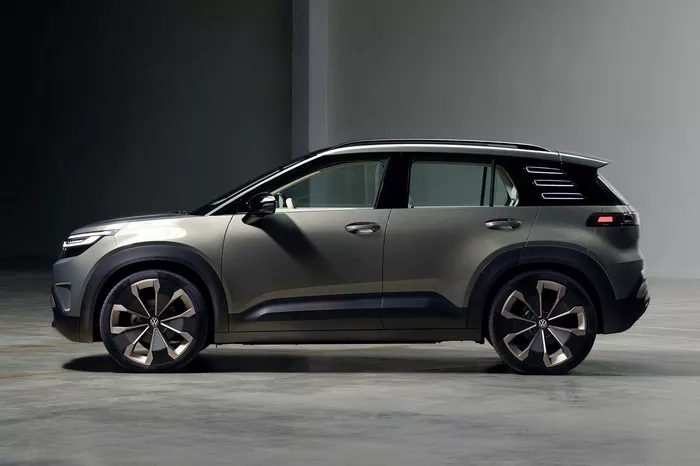
Volkswagen will halt U.S. production of its ID.4 electric SUV at the Chattanooga, Tennessee, assembly plant in mid-April 2026, signaling a major adjustment to the automaker’s North American electric vehicle strategy as EV demand softens.
The German automaker said the move reflects ongoing volatility in the electric vehicle market and a broader effort to prioritize products with stronger consumer demand.
“The EV market continues to challenge the industry, requiring measured decisions throughout the last few years to navigate this unpredictability,” Volkswagen said in a statement. “As part of the focus toward higher-volume products that meet market demand, Volkswagen will no longer assemble the ID.4 in Chattanooga starting mid-April 2026.”
Volkswagen said inventory of the 2026 model-year ID.4 should be sufficient to meet U.S. demand through 2027. The company added that a future version of the ID.4 remains planned for North America, with additional details to be released at a later date.
The production decision follows a sharp decline in U.S. sales of the ID.4. Volkswagen sold just 248 units in the fourth quarter, down 62% from 646 units during the same period a year earlier. The drop came after significantly stronger third-quarter sales of 12,470 units in 2025, highlighting inconsistent demand for the electric crossover.
Built in Chattanooga for the U.S. market, the ID.4 has played a key role in Volkswagen’s electrification efforts. However, weaker EV sales and evolving market dynamics have led the automaker to reevaluate manufacturing priorities.
Volkswagen said the Chattanooga plant will redirect its focus toward higher-volume internal combustion and crossover vehicles, with emphasis on the next-generation Atlas SUV.
Production of the redesigned 2027 Volkswagen Atlas is scheduled to begin this summer, with the SUV expected to reach U.S. dealerships in the fall.
“Atlas has been one of the brand’s most important vehicles in the U.S., ranking as Volkswagen’s second-best-selling model for the past three years,” the company said.
The move underscores growing pressure across the automotive industry as manufacturers reassess electric vehicle investments in response to slower-than-expected consumer adoption and intensifying competition in the EV market.
