
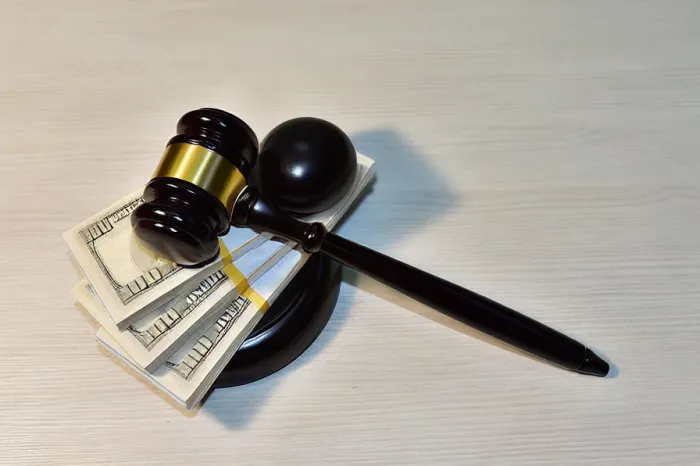
A proposed Louisiana bill aiming to cap general damages in civil lawsuits at $500,000 was narrowly blocked by a House committee following a heated debate. The legislation, House Bill 526, was designed to reduce auto insurance premiums by limiting large damage awards, often referred to as “nuclear verdicts,” which supporters say drive up costs for insurers and policyholders alike.
The bill, sponsored by Representative Kellee Hennessy Dickerson, sought to exclude property damage, lost wages, tangible losses, and medical expenses from the cap. It also would not have applied in cases involving severe or permanent injuries. Proponents argued that the unpredictable and sometimes exorbitant jury awards in Louisiana led insurers to increase premiums to cover potential losses, burdening everyday drivers and businesses.
However, opponents of the bill raised significant concerns, particularly from sexual assault advocacy groups. They warned that the bill’s provisions could place an unfair burden on victims seeking compensation for intentional or malicious acts by requiring them to meet a higher standard of proof to bypass the cap. Morgan Lamandre, CEO of Sexual Trauma Awareness & Response, highlighted that such requirements might discourage victims from pursuing civil claims.
Several committee members expressed skepticism about the effectiveness of damage caps in lowering insurance costs. Representative Nicholas Muscarello Jr., chair of the House Committee on Civil Law and Procedures, noted the lack of conclusive research supporting the claim that caps reduce premiums. He pointed out that after a series of insurance reform bills passed in 2025 without damage caps, Louisiana has already seen a notable drop in auto insurance rates and an influx of new insurance companies entering the market.
This legislative setback comes amid ongoing efforts across various states to address rising car insurance costs. In New York, for example, Governor Kathy Hochul has pushed for auto insurance reforms aimed at curbing premium increases. However, her proposals have sparked controversy and contributed to delays in passing the state budget. Critics argue that such reforms should be addressed through regular legislative sessions rather than budget negotiations.
Louisiana’s auto insurance rates remain among the highest in the nation, prompting business groups like the Louisiana Loggers Association to support measures aimed at reducing costs. Rising fuel prices and other economic pressures have compounded these challenges for commercial vehicle operators and everyday drivers alike.
As lawmakers continue to debate the best strategies for making car insurance more affordable, questions remain about balancing consumer protections with cost controls. The recent rejection of House Bill 526 underscores the complexity of addressing insurance premiums through legal reforms and highlights differing views on how best to protect both victims’ rights and policyholders’ interests.
