
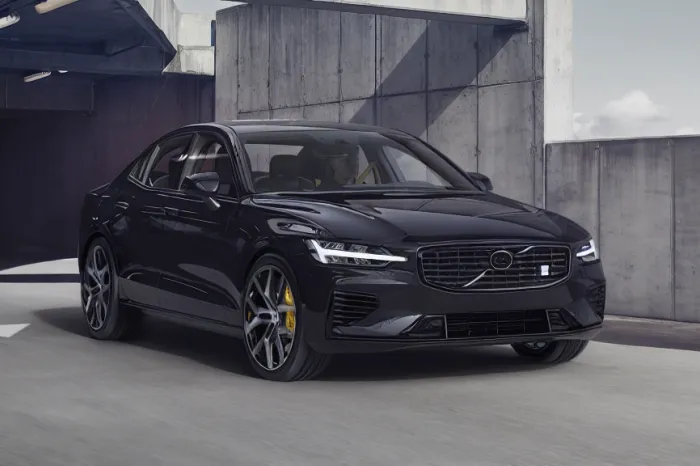
Volvo Cars, majority-owned by China’s Geely Holding, reported an 11% decline in global sales during the first quarter. The most significant drop occurred in the Americas, where sales fell sharply by 28%, driven by weakened consumer demand. This downturn has been intensified by ongoing geopolitical tensions linked to the conflict in the Middle East, which have unsettled buyers and dampened confidence in several critical markets.
Sales Performance and Market Challenges
Despite the overall decline, Volvo’s fully electric vehicle segment demonstrated strong growth. Sales of fully electric models rose by 12%, representing nearly a quarter (24%) of all vehicles sold during this period. This growth highlights Volvo’s firm commitment to electrification as a core element of its long-term strategy for sustainable development and competitive advantage.
The company’s quarterly report also emphasized persistent global challenges impacting the automotive industry. These include pricing pressures, geopolitical instability, trade tariffs, and evolving regulatory frameworks that continue to affect sales and market stability worldwide. Volvo acknowledged these factors as major obstacles faced by automakers across different regions.
Investor Reaction and Market Impact
Following the release of the sales figures, shares of Volvo Cars declined by nearly 2%, extending their year-to-date losses to approximately 30%. This reaction reflects investors’ heightened sensitivity to the combined effects of geopolitical risks and economic uncertainty on the automotive sector.
Looking Ahead: Electrification as a Growth Engine
Looking forward, Volvo remains focused on expanding its electric vehicle portfolio as a fundamental pillar of its future growth. The company views electric vehicles not only as essential for addressing environmental concerns but also as a crucial competitive advantage amid shifting global market dynamics. While external pressures have constrained short-term sales, Volvo’s dedication to innovation and sustainable technology positions it well to adapt to future industry changes.
In summary, Volvo Cars’ first-quarter results reflect broader trends influencing the global automotive market, including regional sales declines tied to international conflicts and economic challenges. However, the rise in electric vehicle sales signals resilience and potential for recovery despite a challenging environment.
