
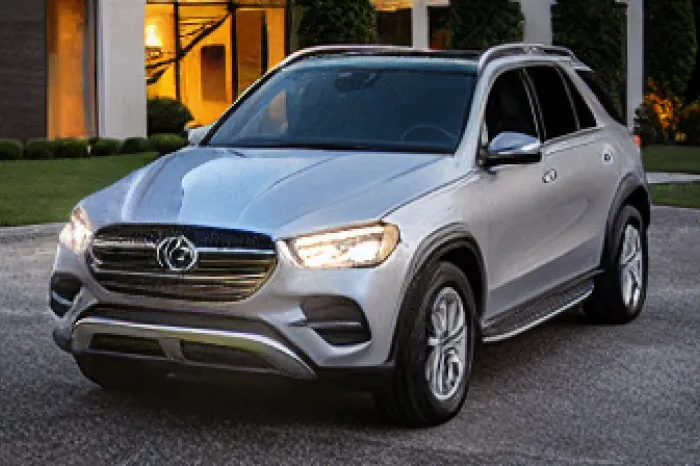
Mercedes-Benz USA has announced a bold plan to boost its U.S. sales by 30% by the year 2030, relying heavily on its core lineup of vehicles and strengthened cooperation with its dealer network. Adam Chamberlain, CEO of Mercedes-Benz USA, outlined this ambitious strategy during a recent CNBC interview, revealing an investment exceeding $7 billion dedicated to the American market. The goal is to reach an annual sales volume of 400,000 vehicles.
Chamberlain emphasized the indispensable role dealers play in driving this growth. The company is focused on streamlining sales processes for both new vehicles and parts, aiming to enhance operational efficiency and improve customer satisfaction across dealerships. Central to this effort are high-demand models like the GLC, GLE, and GLS SUVs, which are expected to be major contributors to expanding sales figures.
Beyond product emphasis, Mercedes-Benz is working hand-in-hand with dealers to elevate the overall customer shopping experience. This includes redesigning showroom layouts for a more inviting atmosphere and offering more attractive leasing and financing options designed to appeal to a broader customer base. Despite encountering a tougher market environment than anticipated, Chamberlain remains optimistic about the strength of Mercedes-Benz’s product range and sales strategies.
A key competitive edge for the brand lies in its advanced powertrain technologies. Mercedes-Benz continues to offer a wide spectrum of engines—from efficient combustion engines equipped with 48-volt systems to plug-in hybrids and state-of-the-art electric vehicles. This diverse portfolio positions the company well to meet shifting consumer demands as well as tightening regulatory requirements.
Chamberlain also highlighted that since tariff implementations, Mercedes-Benz has managed to keep price increases limited to just 1.3%, significantly below inflation rates. This careful pricing approach aims to maintain vehicle affordability while supporting volume growth toward their targets. By focusing on core models alongside deeper dealer collaboration, Mercedes-Benz expects improved inventory turnover and heightened customer satisfaction.
Overall, Mercedes-Benz is betting on a sharper concentration on key products, smarter pricing tactics, and reinforced dealer partnerships as essential components to overcome industry challenges. These initiatives form the cornerstone of the brand’s strategy to expand its footprint and grow market share throughout the United States over the next decade.
