
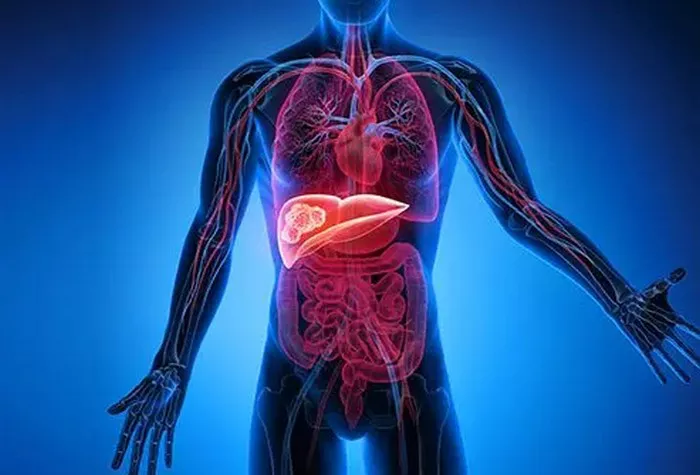
A groundbreaking clinical study in China has found that administering a combination of drugs before surgery can nearly double the amount of time patients with a dangerous form of liver cancer remain free from disease recurrence.
The research, published Thursday in the New England Journal of Medicine, examined a treatment strategy for intrahepatic cholangiocarcinoma (ICC), a rare but aggressive cancer that develops in the bile ducts within the liver. Because the disease often produces few symptoms in its early stages, many patients are diagnosed only after it has progressed, making treatment particularly challenging.
The study was led by Zhongshan Hospital, affiliated with Fudan University, and involved collaboration among 11 hospitals across China. Researchers say the findings could reshape treatment practices for ICC, a cancer in which the five-year survival rate following surgery currently ranges from 25 percent to 40 percent.
The trial tested a neoadjuvant treatment protocol, which involves giving therapy before the primary surgical procedure in order to shrink tumors and improve surgical outcomes. By February 2025, the research team had enrolled 178 patients with a median age of 59.
Participants were divided into two groups. One group received three treatment cycles combining Gemox chemotherapy with a targeted therapy drug and an immunotherapy drug designed to stimulate the body’s immune system to recognize and attack cancer cells. The other group followed the conventional approach of undergoing immediate surgery without preoperative drug treatment.
The results showed that patients who received the drug combination experienced significantly longer periods without cancer recurrence or other disease-related complications. Their median event-free survival reached 18 months, compared with just 8.7 months among patients who went directly to surgery.
Shi Guoming, one of the study’s lead researchers, said the tumors in the treatment group shrank substantially during the pre-surgery phase. The objective response rate — the proportion of patients whose tumors partially or completely disappeared — reached 55 percent in those receiving the drug cocktail.
The findings are particularly significant for China, which carries a large share of the global ICC burden. The country records more than 50,000 new cases each year, accounting for over half of all diagnoses worldwide.
Beyond delaying recurrence, the study also showed encouraging signals in overall survival. After 24 months, 79 percent of patients in the pre-surgery treatment group were still alive, compared with 61 percent in the surgery-only group.
Zhou Jian, president of Zhongshan Hospital, said ongoing follow-up may reveal even stronger long-term benefits for patients treated under the new protocol. Preliminary findings from the study were presented at the European Society for Medical Oncology’s annual meeting in Germany in October 2025, drawing significant attention from the international medical community.
Shi said the research team hopes future multinational studies will confirm the results and help establish the Chinese-developed protocol as a global treatment standard for this aggressive cancer.
