
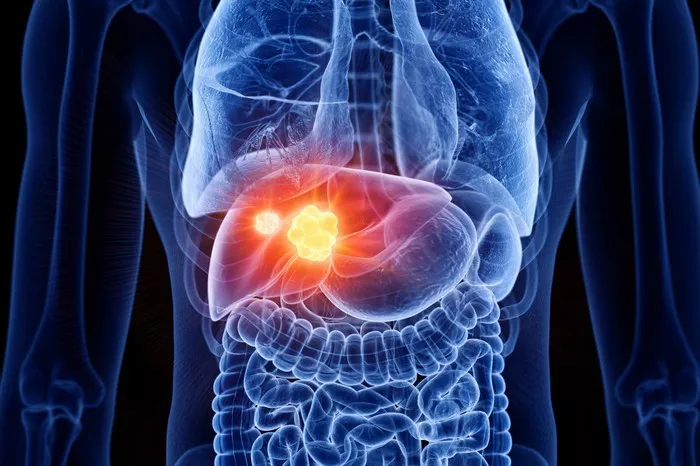
Abnormal activity in a key cellular signalling pathway may play a central role in the development of a rare and aggressive form of childhood liver cancer, according to new research that sheds light on how the disease forms and why it can be difficult to treat.
The study examined hepatoblastomas with carcinoma (HBC) features, an uncommon tumor type that shows characteristics of both hepatoblastoma (HB) and hepatocellular carcinoma (HCC). These are the two main primary liver cancers found in children. While hepatoblastomas typically respond well to chemotherapy, hepatocellular carcinomas are generally more aggressive. HBC tumors appear to fall somewhere between the two, and researchers have long debated whether they represent a true hybrid cancer cell type or simply a combination of separate HB and HCC cells.
Wnt Signalling Identified as a Key Driver
To better understand the biology of HBC tumors, researchers used multi-omics profiling to analyze genomic and gene expression data from 42 tumor samples. This integrated approach allowed the team to study the tumors’ cellular composition, biological behavior, and evolutionary patterns in greater detail.
The analysis suggests that HBC tumor cells originate from hepatoblastoma precursor cells that become trapped at an early stage of liver stem cell development. According to the researchers, this developmental arrest is likely caused by persistent abnormal activity in the Wnt signalling pathway.
Wnt signalling plays a critical role in regulating cell growth, differentiation, and organ development during the embryonic stage. When the pathway functions abnormally, however, it can disrupt normal cell maturation and contribute to cancer formation.
In experimental models, blocking Wnt signalling appeared to reverse some of these effects. Tumor cells exposed to Wnt inhibitors showed greater levels of maturation and became more sensitive to chemotherapy. This finding is particularly important because immature liver cells tend to resist treatment, and the chemotherapy drug cisplatin remains a standard therapy for pediatric liver cancers.
New Tool Helps Identify HBC Cells
The research team also developed a gene expression-based classifier capable of identifying HBC cells within complex tumors. This tool can detect these cells even in biphasic tumors, where distinct regions resembling hepatoblastoma and hepatocellular carcinoma typically coexist.
Using this method, the scientists found that HBC cells accounted for roughly 51% of the malignant cells in the tumors studied. These cells displayed a wide range of molecular identities. Some closely resembled hepatoblastoma cells, others looked more like hepatocellular carcinoma cells, and a portion appeared to be molecularly distinct from both.
Poorer Survival Highlights Clinical Urgency
The findings also highlight the clinical challenges posed by HBC tumors. Researchers reported an average five-year survival rate of about 43% for patients with HBC, compared with approximately 79% for those diagnosed with hepatoblastoma. The lower survival rate underscores the more aggressive nature of HBC.
The study suggests that the tumors’ resistance to chemotherapy may be linked to their immature, stem-like cellular state. Cells that remain locked in early developmental stages often show stronger survival mechanisms and reduced responsiveness to standard treatments.
Future Research and Treatment Potential
Although the study offers important insights, the researchers acknowledged several limitations. The analysis included a relatively small number of samples, and many of them were collected after chemotherapy treatment, which could influence the molecular features observed.
In addition, while abnormal Wnt signalling appears to play a major role in tumor development, the scientists believe it is unlikely to be the only pathway involved. The exact molecular triggers that drive the transition from hepatoblastoma cells to carcinoma-like states remain unclear and will require further investigation.
Despite these uncertainties, the research provides a clearer framework for understanding how HBC tumors form and evolve. A more precise molecular definition of this cancer subtype could help clinicians identify high-risk patients earlier and adjust treatment strategies accordingly.
In the future, the findings may also support clinical trials that combine Wnt pathway inhibitors with conventional chemotherapy. Researchers hope that such approaches could improve outcomes for children diagnosed with this challenging and poorly understood form of liver cancer.
