
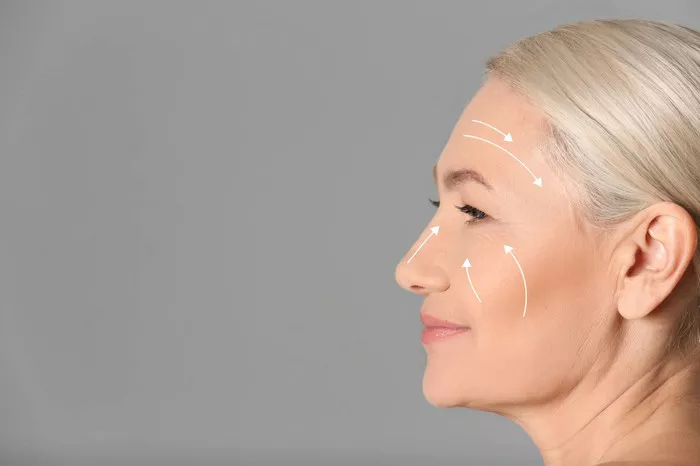
A mini facelift is a cosmetic procedure designed to refresh and rejuvenate the lower part of the face. Unlike a traditional facelift, it is less invasive, involves smaller incisions, and has a faster recovery time. This procedure targets sagging skin, wrinkles, and loss of firmness in the lower face and jawline. The goal is to create a natural, youthful appearance without the extensive downtime of a full facelift. In this article, we will explain in detail how a mini facelift is done, what to expect before and after the procedure, and answer common questions.
Understanding the Mini Facelift Procedure
A mini facelift is a cosmetic surgery procedure designed to improve the appearance of the lower face and neck. It is less invasive than a traditional facelift and has a shorter recovery time. People choose a mini facelift to reduce wrinkles, sagging skin, and signs of aging, giving their face a more youthful and refreshed appearance.
Why People Choose a Mini Facelift
Many people start to notice sagging skin, wrinkles, and loss of firmness in their face in their 40s or 50s. A full facelift may feel too intense or involve too much recovery time. A mini facelift targets specific areas like the lower face, jawline, and neck, offering subtle but noticeable results. It is ideal for people with mild to moderate aging signs.
Preparation for a Mini Facelift
Initial Consultation
The first step is a consultation with a qualified plastic surgeon. During this meeting, the surgeon will examine your face, discuss your goals, and determine if a mini facelift is appropriate for you. They may take photographs and explain the procedure, risks, and recovery process.
Medical Evaluation
You may need a basic health check, including blood tests and a review of your medical history. This helps ensure you are healthy enough for surgery and reduces potential complications.
Pre-Surgery Instructions
Your surgeon may ask you to stop smoking, avoid certain medications, and prepare your skin. You should follow all instructions carefully to reduce the risk of infection and improve healing.
The Mini Facelift Procedure
Anesthesia
Mini facelifts are usually performed under local anesthesia with sedation, though sometimes general anesthesia is used. This means you will be comfortable and relaxed during the procedure without feeling pain.
Incisions
Unlike a full facelift, a mini facelift uses smaller, shorter incisions. Typically, the surgeon makes incisions around the hairline near the temples and around the ears. The smaller size of these incisions reduces scarring and recovery time.
Muscle and Tissue Adjustment
Once the incision is made, the surgeon lifts and repositions the underlying facial muscles and tissues. This step restores firmness and contours to the lower face. Sometimes, excess fat may be removed or repositioned to enhance results.
Skin Tightening
After adjusting the muscles and tissues, the surgeon gently pulls the skin to remove sagging. The skin is then redraped over the newly lifted facial structure. The surgeon carefully ensures that the tension is natural and does not look over-stretched.
Closing the Incisions
The surgeon closes the incisions with fine sutures. These sutures may be dissolvable or removed a few days after surgery. Small drains may be placed to prevent fluid buildup, depending on the surgeon’s technique.
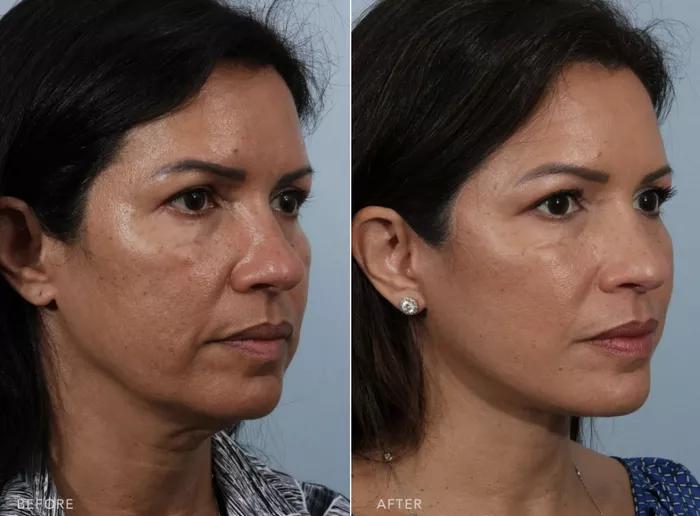
Recovery After a Mini Facelift
Immediate Post-Surgery
After surgery, your face may be swollen, bruised, or tender. Your surgeon will provide instructions for caring for the incision sites, managing pain, and reducing swelling. Compression garments may be used to support healing.
First Week
Most patients can return home the same day or the next day. During the first week, you should rest, avoid strenuous activity, and follow your surgeon’s guidelines. Swelling and bruising are most noticeable during this period but gradually improve.
Two to Four Weeks
By the second week, most patients can resume light activities. Stitches may be removed, and swelling continues to decrease. By four weeks, the majority of visible bruising and swelling has disappeared, and results become more noticeable.
Long-Term Recovery
Complete healing can take several months. Scars will continue to fade over time. The final results are typically natural-looking, with a firmer jawline, smoother skin, and a rejuvenated facial appearance.
Benefits of a Mini Facelift
- Less invasive than a full facelift
- Shorter surgery and recovery time
- Smaller incisions with minimal scarring
- Restores a youthful lower face and jawline
- Can be combined with other procedures like eyelid surgery or Botox
Risks and Considerations
As with any surgery, a mini facelift carries potential risks. These include bleeding, infection, nerve injury, scarring, or dissatisfaction with results. Choosing a skilled, board-certified plastic surgeon reduces these risks. Following pre- and post-operative instructions is also crucial.
Mini Facelift vs. Full Facelift
Unlike a full facelift that addresses the entire face and neck, a mini facelift focuses on the lower face. Recovery is faster, and the procedure is less extensive. However, a mini facelift may not be suitable for people with severe sagging or extensive aging. A full facelift may be a better choice in such cases.
Combining Procedures
Many patients choose to combine a mini facelift with other cosmetic procedures for optimal results. For example, eyelid surgery can rejuvenate the eyes, while dermal fillers or Botox can smooth wrinkles. Combining treatments can provide a more complete and natural rejuvenation.
Choosing the Right Surgeon
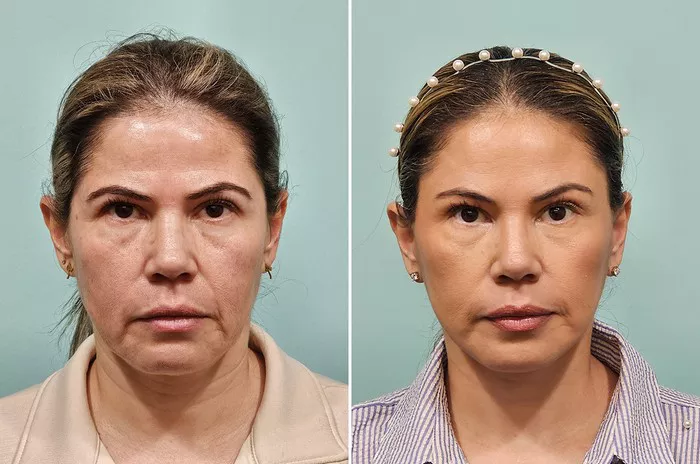
Finding an experienced, board-certified plastic surgeon is essential. Review before-and-after photos, read patient reviews, and ensure the surgeon is skilled in mini facelifts. A consultation allows you to ask questions, understand the procedure, and feel confident about your decision.
Cost of a Mini Facelift
The cost of a mini facelift varies depending on location, surgeon experience, and the extent of the procedure. On average, it may range from $5,000 to $12,000. Insurance usually does not cover cosmetic procedures. Discuss financing options with your surgeon if needed.
Tips for a Successful Mini Facelift
- Follow all pre- and post-operative instructions from your surgeon.
- Avoid smoking and alcohol before and after surgery to aid healing.
- Eat a healthy diet to support recovery.
- Protect your skin from sun exposure during healing.
- Be patient – final results may take several months to fully appear.
FAQs About Mini Facelift
1. How long does a mini facelift last?
A mini facelift typically lasts 5 to 10 years. Aging continues naturally, but results can be maintained with proper skin care and healthy habits.
2. Is a mini facelift painful?
Discomfort is mild and manageable with pain medication. Local anesthesia or sedation helps prevent pain during the procedure.
3. Will there be visible scars?
Scars are minimal and usually hidden around the hairline and ears. Over time, scars fade and become almost invisible.
4. How soon can I return to work?
Most patients return to work within one to two weeks, depending on the extent of surgery and recovery progress.
5. Can a mini facelift be repeated?
Yes, if aging progresses, a mini facelift can be repeated or combined with other procedures to maintain results.
6. Who is a good candidate for a mini facelift?
Ideal candidates are in good health, have mild to moderate sagging of the lower face, and seek subtle, natural rejuvenation without extensive surgery.
7. Can a mini facelift fix deep wrinkles?
It primarily improves sagging and contour. Deep wrinkles may require additional treatments like fillers, Botox, or laser therapy for optimal results.
8. How long does the surgery take?
A mini facelift usually takes 1 to 3 hours, depending on the technique and combination with other procedures.
9. Are there non-surgical alternatives?
Yes. Non-surgical treatments like thread lifts, fillers, or radiofrequency skin tightening can provide mild lifting effects but are less dramatic than surgery.
10. Will my face look natural after a mini facelift?
Yes. A skilled surgeon ensures that the results are natural, subtle, and harmonize with your facial features.
Conclusion
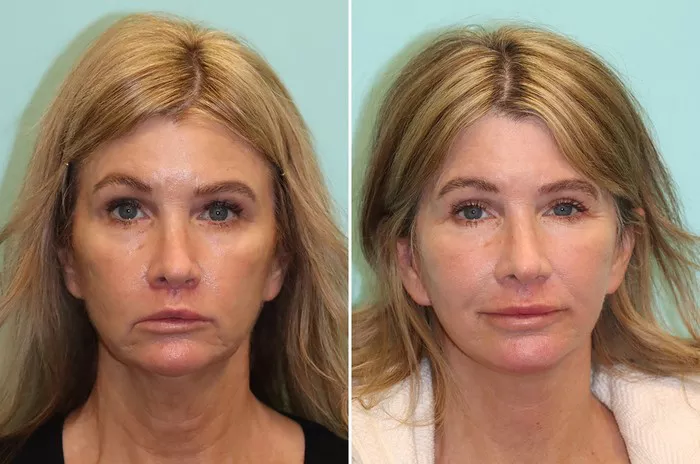
In conclusion, a mini facelift is a safe and effective procedure for rejuvenating the lower face and jawline. With smaller incisions, a shorter recovery period, and natural-looking results, it is an excellent option for people seeking mild to moderate facial rejuvenation.
