
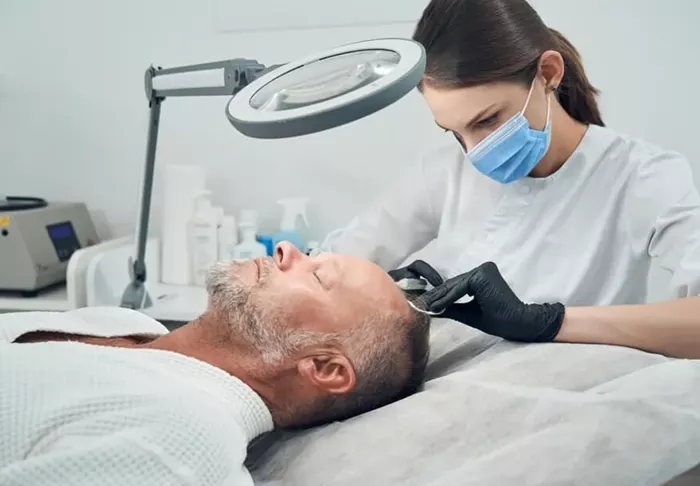
Hair transplant surgery has become a common solution for people suffering from hair loss. Many people considering this procedure often ask an important question: “Do I have to shave my hair for a hair transplant?” The answer is not always simple because it depends on several factors. In this article, we will explain everything in detail. We will discuss why shaving is sometimes required, the methods of hair transplant that do not need shaving, and what to expect during and after surgery.
What is a Hair Transplant?
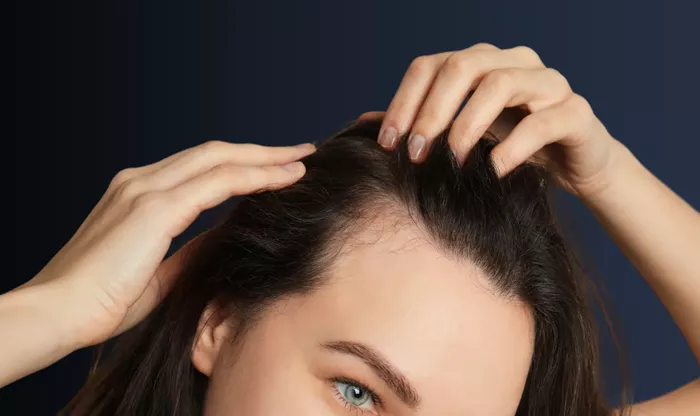
A hair transplant is a surgical procedure that moves hair follicles from one part of your body to another. Typically, the hair is taken from the back or sides of the scalp, areas less prone to hair loss. These are called the donor areas. The hair is then transplanted to areas where hair is thinning or completely lost, called the recipient areas. Hair transplant surgery is used to treat male pattern baldness, female hair thinning, and sometimes for restoring eyebrows or beards.
Types of Hair Transplant Methods
There are mainly two types of hair transplant procedures:
- FUT (Follicular Unit Transplantation): This method involves removing a strip of scalp from the donor area. The strip is divided into tiny grafts that are then transplanted into the thinning area.
- FUE (Follicular Unit Extraction): In this method, individual hair follicles are extracted directly from the donor area and then transplanted to the recipient area. FUE is more popular because it leaves minimal scarring and has a faster recovery time.
Do You Have to Shave Your Hair for a Hair Transplant?
The short answer is: it depends on the method of hair transplant and your personal preference. Shaving your hair can help the surgeon perform the procedure more accurately, but it is not always required.
Why Shaving is Often Recommended
Shaving the hair in the donor and recipient areas offers several advantages:
- Better Visibility: The surgeon can see the scalp clearly. This makes it easier to extract hair follicles precisely and place them correctly in the thinning areas.
- Less Trauma: Shorter hair makes it easier to handle and reduces the risk of damaging surrounding hair follicles during surgery.
- Higher Success Rate: Studies and clinical experience show that shaving the hair improves the accuracy of follicle placement, which can lead to better hair growth results.
Methods That May Require Full Shaving
In FUE procedures, full shaving of the donor area is often recommended. This is because each hair follicle is extracted individually, and shorter hair makes the process faster and more precise. Some surgeons also prefer shaving the recipient area to see exactly where each follicle should be placed.
Methods That Do Not Require Shaving
For people concerned about appearance, there are ways to perform hair transplants without completely shaving the hair:
- Long Hair FUE: Some clinics offer “no-shave” or “long hair FUE,” where the donor area is trimmed slightly but not shaved entirely. The surgeon uses special tools to extract follicles without cutting the surrounding hair too short. This allows the patient to hide the surgery in the early stages.
- Strip FUT: In traditional FUT, only a strip of hair is removed from the donor area. The surrounding hair can cover the strip, meaning you may not need to shave large areas.
Factors That Affect the Decision to Shave
Several factors influence whether you need to shave your hair for a transplant:
- Extent of Hair Loss: If your hair loss is significant, shaving might be more practical to ensure proper placement of grafts.
- Hair Type: Thick or curly hair may require shaving for easier handling during surgery.
- Patient Preference: Some patients prefer no-shave methods to maintain their appearance immediately after surgery.
- Surgeon’s Technique: Each surgeon has their preferred method, and some are highly skilled at performing transplants without full shaving.
Benefits of Not Shaving
Many patients prefer not shaving for cosmetic reasons. The benefits include:
- Immediate Appearance: You can return to daily life without a drastically changed look.
- Psychological Comfort: Patients may feel more confident and less anxious without shaving.
- Discreet Procedure: Long hair can help hide the surgery in the first few weeks of recovery.
Disadvantages of Not Shaving
While no-shave procedures are appealing, there are some drawbacks:
- Longer Surgery: Extracting and transplanting follicles is more time-consuming with longer hair.
- Higher Cost: Some clinics charge extra for no-shave procedures because they require more time and skill.
- Limited Cases: Not all patients are candidates for no-shave hair transplant, especially those needing a large number of grafts.
What to Expect During a Hair Transplant
Before the Surgery
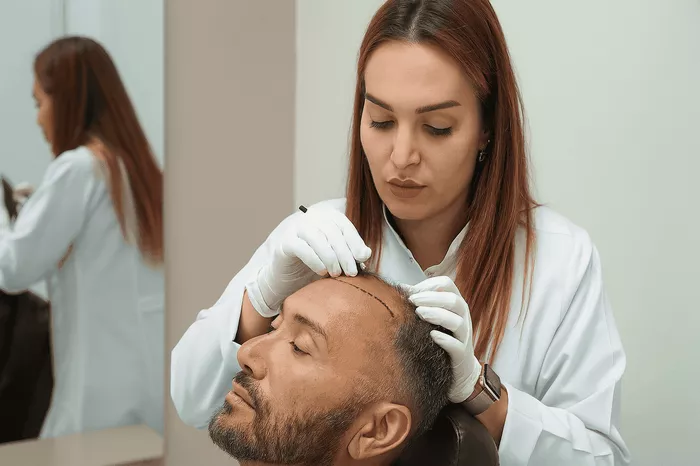
Before your hair transplant, the surgeon will examine your scalp and hair density. They will discuss whether shaving is necessary based on your hair loss pattern, hair type, and preferred method.
During the Surgery
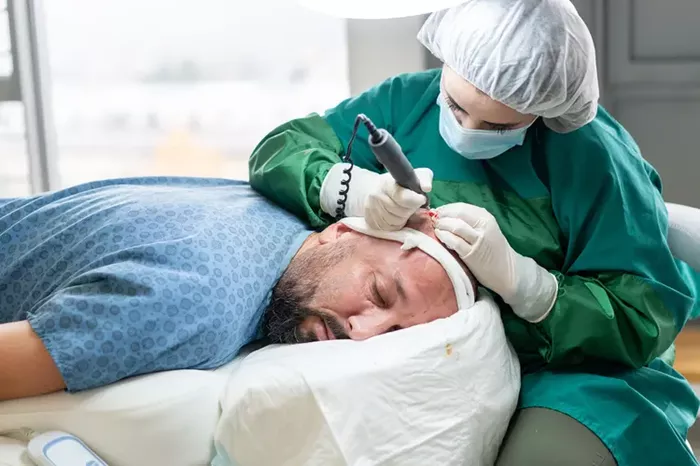
The procedure can take several hours, depending on the number of grafts required. For FUE, hair follicles are extracted individually and transplanted to the thinning areas. In FUT, a strip of scalp is removed, and the follicles are divided and implanted. Shaving, if necessary, is done at the beginning to provide better visibility and easier access.
After the Surgery
Recovery includes some redness, swelling, and scabbing. If you had a no-shave procedure, your hair will help cover the treated areas immediately. Full results typically appear in 6 to 12 months, as transplanted hair grows naturally.
Tips for Patients Considering Hair Transplant Without Shaving
- Consult a skilled surgeon experienced in no-shave techniques.
- Understand that surgery may take longer and could be more expensive.
- Be realistic about results—sometimes partial trimming is unavoidable.
- Follow post-operative care instructions carefully to ensure the best outcome.
FAQs About Shaving and Hair Transplants
1. Is shaving always required for hair transplant?
No, shaving is not always required. It depends on the hair transplant method, the area being treated, and your surgeon’s preference.
2. Can hair transplants be done without anyone noticing?
Yes, no-shave FUE allows the procedure to be discreet. Patients can cover the donor area with surrounding hair immediately after surgery.
3. Will shaving affect my hair growth?
No, shaving does not affect the growth of hair. Hair follicles remain intact, and transplanted hair will grow naturally over time.
4. How long does it take for transplanted hair to grow?
Transplanted hair usually starts growing after 3 to 4 months, with noticeable improvement in 6 months. Full results appear in 12 months.
5. Are there any risks to no-shave hair transplants?
The main risks are longer surgery time and slightly higher cost. Proper care and an experienced surgeon reduce complications.
6. Can women get hair transplants without shaving?
Yes, women often prefer no-shave methods, especially for frontal hairline restoration, because it allows them to maintain their appearance.
Conclusion
Whether you need to shave your hair for a hair transplant depends on many factors, including the method, extent of hair loss, and your personal preference. While shaving is common in FUE procedures for better precision, no-shave options are available for those who wish to maintain their current hairstyle. Consulting a qualified and experienced surgeon is the best way to decide which approach suits you. With careful planning and proper care, you can achieve natural-looking results, whether you choose to shave or not.
