
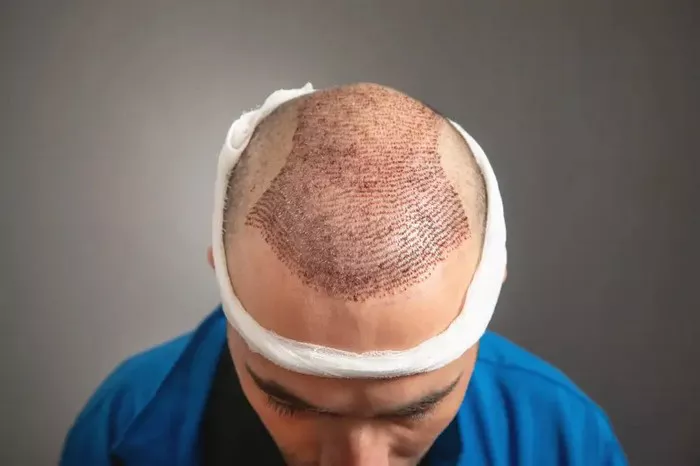
Fort Lauderdale–based hair restoration surgeon Dr. Brett Bolton has issued a public advisory urging patients to carefully assess the medical standards and long-term consequences of undergoing hair transplant procedures overseas. His warning comes as the number of Americans traveling abroad for cosmetic procedures—particularly hair restoration—continues to rise.
Industry estimates suggest that roughly 150,000 Americans traveled outside the United States for hair transplant procedures in 2024. Turkey has become one of the most widely promoted destinations, with clinics frequently advertising all-inclusive transplant packages priced between $2,000 and $4,000. By comparison, the average cost of a hair transplant procedure in the United States typically ranges from $10,000 to $15,000.
According to Dr. Bolton, while lower prices can be appealing, patients should understand that variations in clinical oversight, surgical responsibilities, and long-term treatment planning may significantly influence outcomes.
“In the United States, these procedures operate within clearly defined medical standards,” Bolton explained. “Physician oversight, sterility protocols, and anesthesia requirements are governed by regulatory frameworks. Patients need to determine whether those same protections exist in the country where they plan to receive treatment.”
Bolton noted that some high-volume international clinics rely heavily on technicians to perform major portions of the procedure rather than licensed physicians. He stressed that critical steps in hair transplantation—including hairline design, donor area management, and graft placement—require professional medical judgment and careful long-term planning.
Hair transplantation depends on a limited donor area, typically located at the back or sides of the scalp. If this area is overharvested during an initial procedure, it can permanently restrict the possibility of corrective surgeries in the future. Bolton said he has encountered patients who returned to the United States seeking revision procedures after experiencing complications such as unnatural hairlines, scarring, or depleted donor hair supply.
“The donor area is finite,” Bolton said. “If it is overharvested, the consequences can be permanent. A long-term strategy is essential because hair loss is progressive over time.”
Beyond the surgical procedure itself, Bolton emphasized the importance of comprehensive preoperative consultations, informed consent, and structured postoperative follow-up. Continuity of care, he said, plays a key role in managing ongoing hair loss and planning additional treatments if needed.
While acknowledging that not all international medical services are unsafe, Bolton encouraged prospective patients to thoroughly research providers before traveling abroad for treatment. Factors to consider include physician credentials, regulatory oversight, the level of physician involvement in surgery, availability of follow-up care, and the provider’s long-term treatment strategy.
“As with any medical procedure, patients should prioritize accountability, professional qualifications, and long-term outcomes,” Bolton said.
Dr. Bolton is available for media interviews to discuss global differences in hair transplant standards, considerations related to medical tourism, and how patients can evaluate providers when exploring hair restoration options.
