
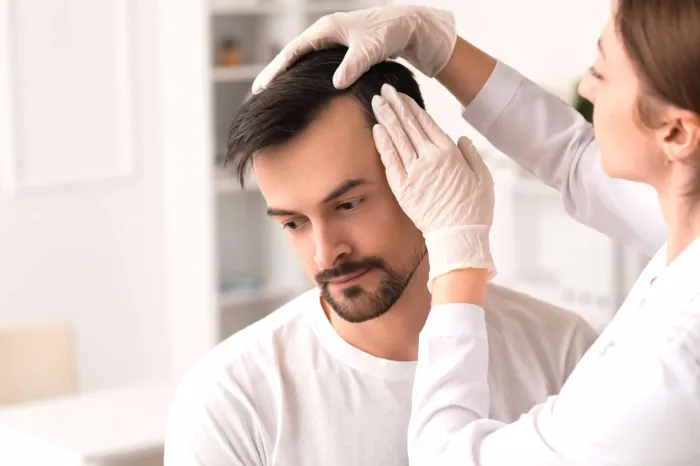
Hair loss often begins with subtle signs — extra strands in the shower drain or a widening part under bright bathroom lights. For many people, it can feel sudden and alarming. Yet dermatologists say hair loss, medically known as alopecia, is one of the most common conditions they treat.
Kimberly Salkey, M.D., a dermatologist at VCU Health who specializes in hair loss disorders, says identifying the specific type of hair loss is essential before beginning any hair loss treatment.
“The first thing to know when considering treatments for hair loss is that there are many different types of loss, and success rates really depend on the type of hair loss and on your definition of success,” Salkey said.
Understanding Alopecia: Scarring vs. Non-Scarring
Alopecia is the medical term for hair loss, regardless of the cause. While different types may appear similar, dermatologists assess several clinical features to determine the diagnosis.
- Location of hair loss, such as the front, top or sides of the scalp
- Pattern of hair loss, whether diffuse thinning or distinct patches
- Scalp condition, including whether hair follicle markings are present
Alopecia is broadly divided into two categories: scarring and non-scarring. Scarring alopecia destroys hair follicles, preventing regrowth. Non-scarring alopecia is more common and includes male and female pattern hair loss — the most prevalent form.
Common Causes of Hair Loss
Hair loss can result from multiple factors, including:
- Genetics
- Hormonal changes related to pregnancy, childbirth, menopause or thyroid disorders
- Medical conditions and treatments, including autoimmune diseases and chemotherapy
- Nutritional deficiencies
- Physical or emotional stress
- Certain hair care practices and styling treatments
Can Thinning Hair Grow Back?
In many cases, thinning hair associated with non-scarring alopecia can respond to treatment. Therapies may slow progression and stimulate regrowth of thinning hairs. However, once hair follicles are permanently lost, medical treatments are typically ineffective.
“It all depends on the cause of the loss,” Salkey noted.
FDA-Approved Hair Loss Treatment Options
Minoxidil (Rogaine)
Available over the counter as a topical solution and by prescription in pill form, minoxidil stimulates hair follicles and can be used for various types of hair loss. Some users may notice increased shedding during the first two to six weeks, which dermatologists consider a sign that new hairs are replacing older ones.
Finasteride (Propecia)
This oral medication is FDA-approved for male pattern hair loss. It works by blocking the enzyme that converts testosterone into dihydrotestosterone (DHT), a hormone linked to hair follicle shrinkage. Finasteride is not recommended for individuals who may become pregnant due to the risk of birth defects. When appropriate, it may be combined with minoxidil for enhanced results.
Low-Level Light Therapy
Administered through handheld devices or LED caps, this FDA-cleared therapy has shown potential to stimulate hair regrowth, particularly in pattern hair loss. While research is ongoing, it is considered a safe option that can be used alone or alongside other treatments.
Do Vitamins and Supplements Help?
Supplements such as vitamin B12, biotin and collagen may support hair growth only when a patient has a documented deficiency. There is no evidence that taking additional vitamins improves hair growth in individuals with adequate levels.
Choosing Shampoo for Thinning Hair
Volumizing shampoos can create the appearance of fuller hair by drying the hair shaft and increasing lift. However, they do not address the underlying cause of hair loss and may worsen dryness in some individuals.
When to See a Dermatologist
Early diagnosis improves the effectiveness of hair loss treatment. Patients should consult a dermatologist if hair does not regrow after several months or if they experience sudden symptoms such as:
- Rapid hair loss
- Patchy bald spots
- Scalp pain, redness or itching
Experts emphasize that prompt evaluation and appropriate hair loss treatment can help preserve follicles and improve long-term outcomes.
