
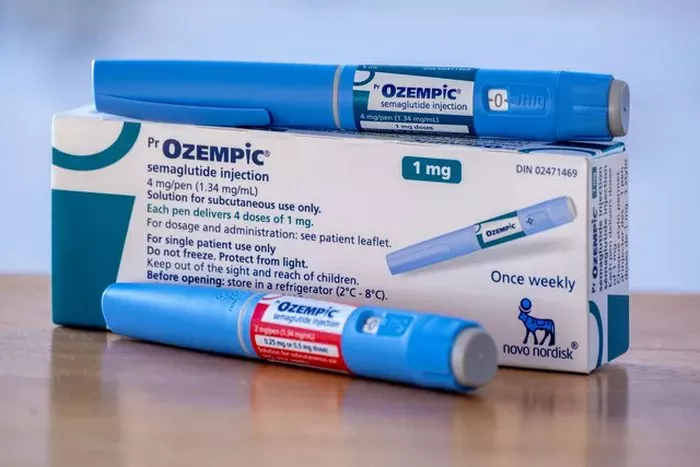
Massachusetts’ Group Insurance Commission (GIC), which provides health coverage for state workers, voted Thursday to end coverage of GLP-1 drugs used for weight loss, a move aimed at curbing escalating health care spending that is straining the state budget.
“It’s certainly not an easy decision before us,” said Dana Sullivan, a GIC board member, ahead of the vote. “No one likes talking about limiting access to effective drugs, but I believe it’s a strategic one.”
The decision comes amid a surge in the use of GLP-1 drugs, including Zepbound and Mounjaro, which have driven state spending sharply higher. GIC officials reported that roughly 22,000 members currently take GLP-1 medications for weight management.
Rising costs and reduced federal support are forcing Massachusetts officials to make difficult budgetary choices. After consecutive years of 10% premium increases, Governor Maura Healey directed the GIC to identify about $100 million in savings for the upcoming fiscal year.
Healey noted that approximately one-third of last year’s nearly 12% premium increase was attributable to GLP-1 drug costs. She is also proposing to end MassHealth coverage for weight-loss GLP-1 medications.
The GIC approved the coverage removal in a narrow 10-7 vote. The change will take effect with the new insurance year in July and applies only to members using GLP-1 drugs for weight management, not those prescribed the medications for conditions such as diabetes.
Sullivan, representing Healey’s budget office on the commission, emphasized that the decision is part of a broader strategy to strengthen the state’s bargaining power with pharmaceutical companies. Many insurers in Massachusetts, including the Health Connector marketplace and associations providing municipal government coverage, have already limited GLP-1 coverage. Sullivan said collective action could help push drug prices down over time.
“As the largest purchaser of health insurance in Massachusetts, we’re a crucial part of the effort,” Sullivan said. “If we cut coverage collectively, we have market power to push those prices down and improve access for our members.”
However, some commissioners voiced concerns. Melissa Murphy-Rodrigues, who voted against the measure, warned that cutting coverage could set a troubling precedent. “For me, it’s like, what’s next? Is it EpiPens? Is it epidurals? What are we going to decide is not worthy of being insured?”
The GIC covers roughly 460,000 people, including state and municipal workers, retirees, and their families. Although premiums are still expected to rise for members, the increase will be less steep than if GLP-1 coverage had continued.
Union groups had opposed broader changes that would shift costs to members through higher copays and deductibles. In a letter to the GIC, Healey urged the commission to prioritize affordability by limiting cuts to weight-loss GLP-1 coverage only.
The Massachusetts Teachers Association and local union leaders also criticized the decision. Julianna Keyes, president of the Arlington Education Association, called it “shortsighted” and said denying coverage for these medications could be more costly in the long term.
“For the first time, medical science has found an effective non-surgical treatment to treat obesity, and the insurance market complains about the price,” Keyes said in a statement. “The cost of not covering these medications will be far greater in the long run.”
