
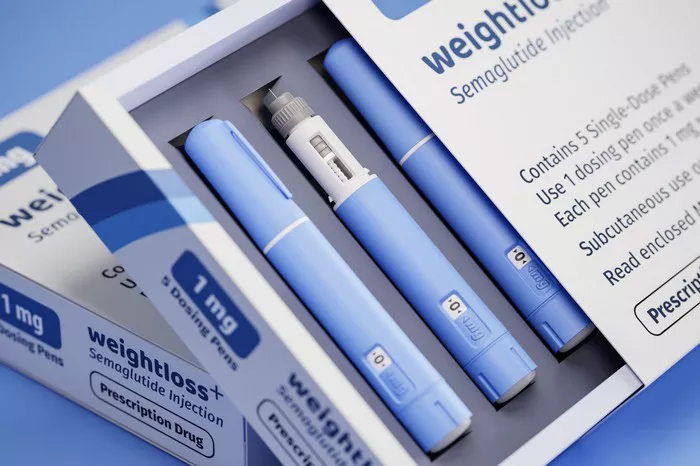
An estimated one in 10 Americans has used a GLP-1 medication for weight loss, fueling a rapid rise in demand for the drugs even as questions persist about their safety, affordability and sourcing.
Originally developed to treat diabetes, GLP-1 receptor agonists are now at the center of a booming weight-management market. Physicians say their effectiveness in controlling blood sugar first revealed an unexpected benefit: significant weight reduction.
“They were incredibly effective for diabetes, particularly for patients treated with insulin who often experienced weight gain,” said Dr. Jennifer McCauley, a weight-management specialist with UNC Health. “Suddenly, patients had a medication that not only improved their glucose levels but also led to weight loss.”
The medications’ popularity has accelerated since the U.S. Food and Drug Administration approved GLP-1 therapies for chronic weight management in 2014. New research has also highlighted additional health benefits. According to McCauley, semaglutide has been shown to reduce cardiovascular risk in patients with prior heart attack, stroke or vascular disease, while tirzepatide can lessen the severity of obstructive sleep apnea.
In December, the FDA approved the first oral version of a GLP-1 drug, offering an alternative to the injectable forms that have dominated the market.
Despite their effectiveness, some studies suggest weight loss may be difficult to maintain without continued treatment. A recent analysis published in the British Medical Journal found that patients who discontinued GLP-1 medications regained weight roughly four times faster than individuals who relied on diet and exercise programs alone.
Patients like Kristen Brim are working to avoid that outcome. Brim began her weight-loss journey in September 2023 after recovering from breast cancer and consulting with her medical and oncology teams about making long-term lifestyle changes. Her doctor prescribed Wegovy, and she later transitioned to Zepbound.
She has since lost 186 pounds.
“I don’t drink soda. I eat vegetables, fish, a lot of protein. I work out,” Brim said. “My whole lifestyle has changed.”
Brim reports minimal side effects, noting only some hair thinning, and says she undergoes regular monitoring, including liver function tests, blood work and eye exams.
Her experience, however, is not universal. Since 2023, more than 4,000 lawsuits have been filed against GLP-1 drug manufacturers, with plaintiffs alleging gastrointestinal complications and, in some cases, vision problems.
At the same time, soaring demand and inconsistent insurance coverage have driven some patients to seek alternatives through compounding pharmacies, which create customized versions of medications rather than dispensing manufacturer-produced drugs. Some of these compounded treatments are not FDA-approved.
“I don’t prescribe compounded medications,” McCauley said, “but many patients turned to them when insurance stopped covering the brand-name drugs. They were facing the risk of regaining significant weight without another option.”
The FDA recently announced increased enforcement actions targeting certain compounded GLP-1 products and the pharmacies producing them, restricting access to active ingredients intended for use in non-approved versions. The agency says the move is aimed at protecting consumers from medications it cannot verify as safe or effective.
As GLP-1 therapies continue to reshape the landscape of obesity treatment, healthcare providers emphasize that the drugs are most effective when paired with sustained lifestyle changes—and careful medical supervision.
