
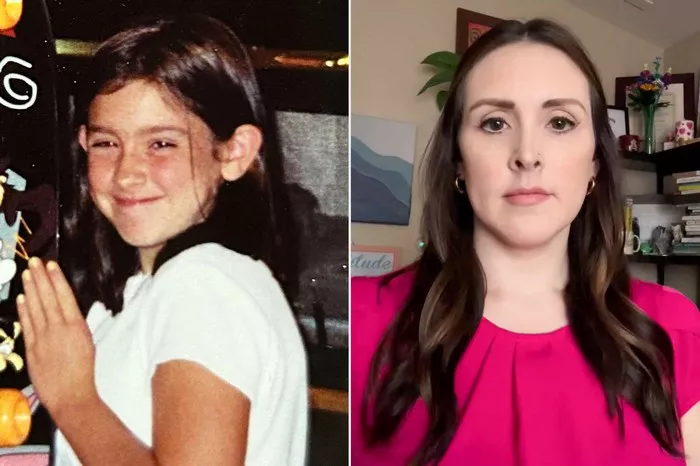
At just 11 years old, Erica Trocino underwent an otoplasty—commonly known as ear pinning—during a winter break from school. The procedure, which her parents arranged, was intended to prevent teasing over her protruding ears. At the time, Trocino, now 36, didn’t see her ears as a problem.
“I had ears that stuck out, and I’m sure I was teased about it,” Trocino told TODAY.com. “But it wasn’t something I remember being so impactful that I was begging my parents for it. I didn’t even know that this was something you could do to your body.”
Her parents’ decision was motivated by their own experiences with bullying. They hoped the surgery would act as a preventative measure, sparing their daughter from the same ridicule.
Trocino’s memories of the procedure are hazy. After spending winter break recovering under a “massive headwrap,” she returned to school only to face unexpected challenges. A popular trend at the time involved students flicking each other’s ears from behind—a painful activity for someone recovering from otoplasty. “I just remember going down on my knees one day when that happened because I just went black,” she recalled.
Playing soccer also became difficult. A ball striking her ear led to complications that required a second surgery. Despite these incidents, Trocino and her parents never had an open conversation about the experience, a silence that continues today.
Her story recently went viral after she shared it on Instagram, amassing over a million views in 24 hours. The post sparked a mix of reactions, with some commenters supporting parental intervention and others critiquing it. While initial responses left her “horrified,” private messages from people with similar experiences brought her validation.
Trocino stressed the difference between otoplasty and less invasive procedures like braces. “The otoplasty was just so much more gruesome than I realized,” she said, noting that it involved sedation, stitches, and a lengthy recovery period.
Reflecting on her experience, Trocino said her objection isn’t to the surgery itself but to being “forced” into it as a child. “Once I turned 16, I might have elected to have the procedure myself,” she said. “But I wasn’t given the opportunity to decide.”
The procedure also had broader impacts on her life. Following the surgery and a family move, Trocino developed an eating disorder during adolescence, influenced in part by the message that something about her needed “fixing.” Today, she avoids having her ears touched during haircuts or massages and observes her children’s free movement of their own ears with amazement.
Her experiences have shaped the way she approaches parenting. Trocino is committed to fostering body positivity for her two children, Dominic, 9, and Jade, 5. “I want to normalize body image struggles without my daughter feeling she needs to change herself,” she said. “I’ll make sure I spend time listening and validating her feelings about her body, whatever they may be.”
Trocino’s story underscores the lasting effects of childhood cosmetic procedures, not only on physical appearance but also on emotional well-being and family dynamics.
