
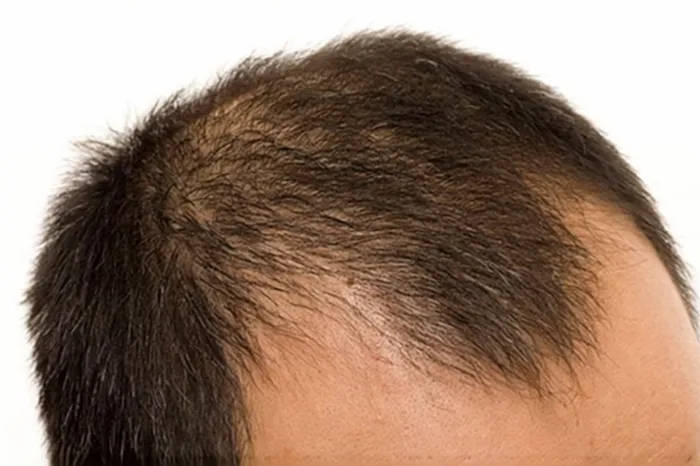
Growing concern is being raised over popular hair loss supplements after recent medical warnings and promising developments in new therapy alternatives. Hair loss is a common side effect among cancer patients, particularly during chemotherapy. Many have turned to biotin supplements, also known as vitamin B7, in hopes of encouraging hair regrowth. However, experts warn that these supplements can interfere with crucial lab tests for cancer patients, potentially affecting treatment plans.
Dr. Brittany Dulmage from The Ohio State University Comprehensive Cancer Center explained that while biotin does not directly change hormone levels, it can cause misleading results in blood tests. This means important markers used to track certain cancers, such as thyroid or prostate, may appear falsely low or high, thus complicating treatment decisions. She also noted that misleading results might lead to delayed therapy in cases of hormone imbalance.
Aside from biotin, other dietary supplements have been cautioned against. Saw palmetto and vitamin B12 are two such examples. Saw palmetto can influence hormone levels, which could be dangerous for patients with hormone-sensitive cancers. Vitamin B12 and iron supplements taken before or during chemotherapy have been linked with poorer survival rates and a higher risk of cancer recurrence, though the exact reasons are still unclear.
For cancer patients experiencing hair loss, Dr. Dulmage recommends topical or low-dose minoxidil as a safer alternative to supplements. Special cooling caps may also help by slowing the delivery of chemotherapy drugs to hair follicles. Patients are encouraged to inform their healthcare teams about any supplements they take, so doctors can guide them to safer options.
Meanwhile, researchers in South Korea are developing a new solution: a wearable hat using near-infrared light therapy. Created by the Korea Advanced Institute of Science & Technology, this cap uses thin OLED technology to deliver gentle light directly to the scalp. In lab tests, the therapy reduced markers of hair cell aging by almost 92 percent. While current hair loss treatments like minoxidil or finasteride are available, they can come with side effects or limited results. Though the new light therapy hat has yet to undergo testing in humans, scientists plan additional studies to ensure its safety and effectiveness. This wearable device could eventually offer a non-invasive and comfortable way to combat hair loss for many people worldwide.
