
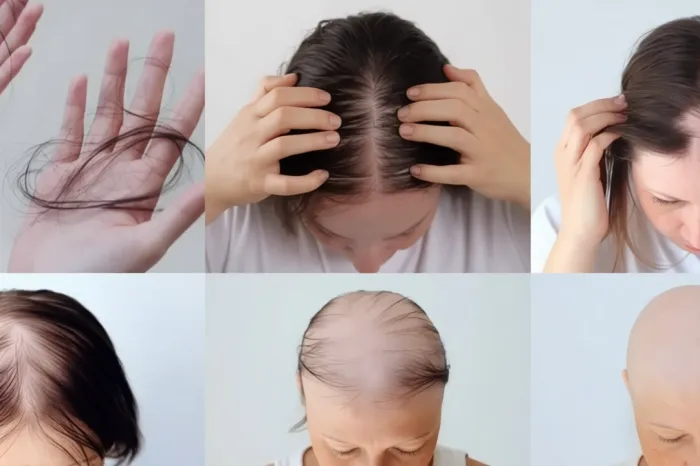
A high-profile court decision has determined that severe baldness in women qualifies as a disability under UK law, following a dispute between specialist wig makers and tax authorities. The ruling was announced during a legal battle involving Mark Glenn Ltd, a company founded by Mark Sharp and former children’s TV presenter Glenn Kinsey, who contested a VAT bill of £277,000 from HM Revenue and Customs (HMRC).
Mark Glenn Ltd introduced innovative wigs designed for women experiencing patchy hair loss. The company argued that these products should be exempt from VAT, citing regulations that allow tax relief for goods aimed at helping people with disabilities. HMRC, however, claimed female baldness was a cosmetic problem rather than a disability, and challenged the exemption.
Judges Swami Raghavan and Kevin Poole of the Upper Tribunal sided with the wig makers, stating that severe hair loss in women significantly affects daily activities, including work, social events, leisure, and self-care. The judges highlighted that the impact of baldness stems not only from physical changes but also from emotional distress caused by cultural pressures and societal expectations related to female appearance.
The ruling described the Mark Glenn wigs, known as the Kinsey System, as tailored to women with severe, patchy, or extensive hair loss. The wigs are color-matched and integrated with the wearer’s own hair, providing a solution that does not require shaving or hiding healthy hair. This technology, the tribunal noted, is not suitable for women with only thinning hair, but specifically addresses those with significant baldness.
Initially, HMRC rejected the wig makers’ claim for VAT exemption, and the company lost its appeal in the First Tier Tribunal. However, the Upper Tribunal overturned the earlier ruling, stating that the definition of disability should account for the social reality of how affected individuals are treated. The judges concluded that the distress and limitations caused by severe female baldness mean it qualifies as a disability, and therefore wigs designed to assist these women should be recognized as aids for the disabled under VAT rules.
