
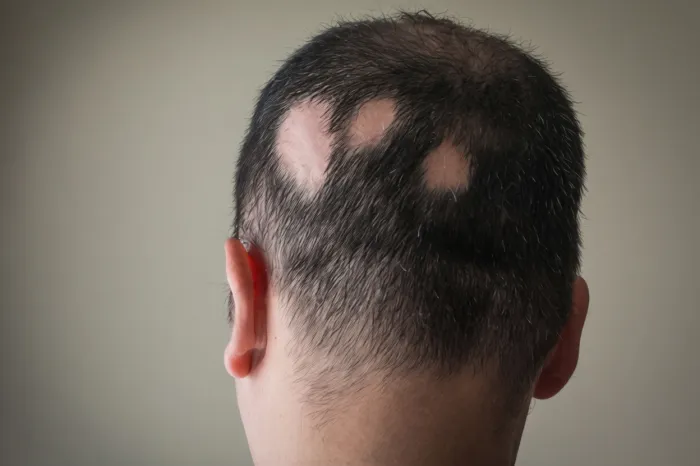
Recent studies have revealed that certain medical treatments can lead to unexpected hair loss in patients. Two widely used therapies—one for bladder cancer and another for weight loss or diabetes—have been identified as possible causes of temporary and sometimes severe alopecia.
A case series led by researchers from the University of Southern California and other major bladder cancer centers documented cases of hair loss in patients who received a single dose of intravesical gemcitabine following surgery for nonmuscle-invasive bladder cancer. The therapy, given after tumor removal surgery, is a standard approach for low- to intermediate-risk cases. Traditionally, only local side effects such as bladder irritation were considered common. However, this study found that 20 patients, including both men and women, experienced hair loss within a few weeks after treatment. In most cases, alopecia appeared within the first month and was sometimes severe. Notably, all patients fully recovered their hair without medical intervention.
Researchers confirmed that none of the affected patients were using chemotherapy or other medications known to cause hair loss, adding weight to the connection with the bladder cancer drug. In addition, no surgical complications were found that could have contributed to systemic drug absorption. The findings suggest that hair loss, though temporary, may be an underrecognized side effect of this treatment. The authors recommend that doctors inform patients about the risk of transient hair loss before treatment and check for such effects during follow-up visits. They also call for larger studies to understand the risk factors and ways to prevent this issue.
Meanwhile, another group of scientists analyzed medical records from nearly 550,000 people who were prescribed GLP-1 receptor agonist drugs, a popular class of medication for diabetes and weight loss. Their research showed that people taking GLP-1 drugs had a higher risk of developing two types of hair loss: telogen effluvium, often linked to physical or emotional stress, and androgenetic alopecia, or pattern baldness. The study accounted for age, sex, weight, and diabetes, yet the increased risk remained. Experts believe possible causes could include rapid weight changes, hormonal shifts, or direct effects on hair follicles. They urge doctors to watch for hair loss in patients using these drugs, so they can offer guidance and support as soon as symptoms appear.
While both studies were careful to point out their limitations—such as lack of precise incidence rates and the possibility some mild cases were missed—they both underscore the importance of recognizing hair loss as a possible side effect of certain medications. For patients beginning these treatments, being aware of this risk allows for better communication with healthcare providers and early intervention if hair loss does occur.
