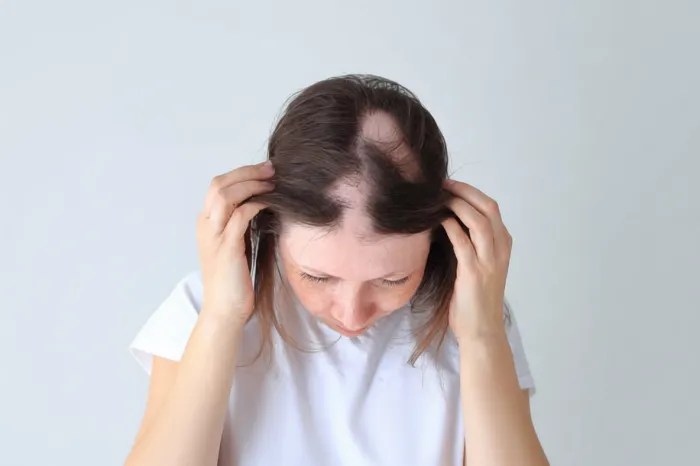
Insurance coverage for hair loss treatment has recently become a central issue in the healthcare sector, as more people recognize alopecia as a significant health concern rather than just a cosmetic problem. President Lee Jae Myung’s statement highlighting that hair loss affects survival, not just appearance, reflects changing attitudes. This new viewpoint suggests that hair loss needs national policy attention instead of being regarded as only an individual’s issue.
Recent data from the National Health Insurance Service (NHIS) and the Health Insurance Review and Assessment Service (HIRA) shows that the number of patients receiving medical care for hair loss has been steadily climbing. In 2022, there were about 248,000 patients seeking treatment, but experts believe the actual number of people affected could be much higher—some estimate around 10 million in Korea may experience hair loss. This large number supports recognizing alopecia as a widespread problem that calls for national-level management and support.
The Korean Dermatological Association (KDA) stresses the need for careful planning before adding alopecia treatments to health insurance. According to the KDA, medical and policy guidelines should be created to ensure that only those with a real medical need receive coverage. For example, accurate diagnosis is crucial, because hair loss can be caused by different conditions, such as alopecia areata, androgenetic alopecia, or cicatricial alopecia. The KDA suggests using clear medical classifications, like the Hamilton-Norwood or Korean BASP systems, to set who qualifies for insurance-funded treatment. This approach would help make sure insurance funds are used correctly.
Accurate diagnoses, led by dermatologists, are especially important because hair loss can sometimes signal a more serious underlying health problem. If insurance simply pays for medications without a proper specialist examination, important diagnoses could be missed. That is why the KDA insists that dermatologist consultation be included in any coverage plan.
Alopecia is a long-term condition that requires ongoing care, so expanding insurance coverage without clear rules could harm the system’s financial strength. The KDA recommends using evidence-based standards to guide treatments and limit coverage to those with proven need. This would help patients access effective care while ensuring public resources are used wisely and remain available in the future.
Equity in care is another area of concern. Women make up about 44 percent of hair loss patients, yet most insurance coverage talks focus on male pattern baldness. Many women with hair loss suffer emotional distress, but they have fewer treatment options being considered for coverage. The KDA highlights the need for collecting clinical evidence for female treatments and including them in insurance planning. Policies should offer fair support to all gender and age groups.
The debate around insurance coverage for alopecia raises questions about how much society should do to support quality of life and the right to health. Medical evidence, careful financial planning, and fairness should guide these decisions. The KDA says it will keep working with government leaders, using clinical research and expert opinion, to build a system that can enhance public health in a responsible way.