
A growing wave of innovation is reshaping the field of obesity treatment, as new weight-loss drugs and improved therapies emerge to meet the rising demand and offer added health benefits to patients worldwide. Recently, several developments have brought attention to both medical progress and market competition in this fast-moving area.
In recent months, Novo Nordisk received approval for a tablet form of Wegovy, a high-dose version of its diabetes drug Rybelsus, and quickly brought it to market at a notably lower price compared to its injectable counterpart. Almost immediately, this step led to a potential legal clash when Hims & Hers, a US compounding pharmacy, announced plans to offer a cheaper, compounded version. Novo Nordisk responded with threats of legal action, citing patent concerns. The US Food and Drug Administration (FDA) soon launched a crackdown on the marketing claims made by compounding pharmacies, including Hims & Hers, which ultimately pulled its version of the medication from sale. While compounders can legitimately create custom versions of drugs when patient needs aren’t met by approved medicines or during shortages, the FDA maintains strict rules to prevent misleading marketing about such products.
Obesity remains a major health challenge, with global rates more than doubling since 1990. Traditional lifestyle changes can be hard for patients to maintain and sometimes show limited effectiveness. Bariatric surgery offers another option but carries significant risks. In this landscape, new drug classes like GLP-1 receptor agonists have become key tools in the fight against obesity. Drugs such as semaglutide (marketed as Ozempic and Wegovy) and tirzepatide (branded as Mounjaro or Zepbound) help control blood sugar and manage appetite. Despite notable successes—with clinical trials showing substantial weight loss—many patients using these medications report side effects, predominantly gastrointestinal issues. However, research shows that patients often choose to continue these treatments if they see positive results in weight loss, even when faced with unpleasant side effects.
A recent study highlights user experiences with off-label Ozempic use, demonstrating that perceived effectiveness drives continued use more than tolerability. While some users face minimal weight loss, weight rebound, or plateauing of effects over time, many continue treatment if they achieve their personal weight targets. These findings underline the importance of realistic patient expectations and careful guidance from healthcare professionals.
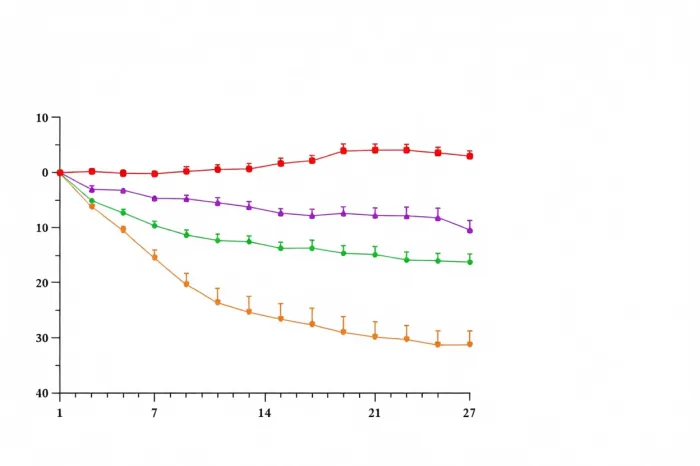
Meanwhile, scientists are exploring entirely new pathways in obesity medicine, supported by advances in artificial intelligence. Insilico Medicine, a company specializing in AI-driven drug discovery, recently announced a new preclinical candidate, ISM0676. This oral GIPR antagonist, developed in less than 14 months, showed promising weight reduction results in animal studies, reaching over 31% reduction when combined with semaglutide. Such approaches suggest that future drugs might provide even more effective and lasting weight management by targeting multiple hormonal pathways involved in metabolism and fat storage.
There is also encouraging research into added health benefits of the latest weight-loss drugs. Recent findings from Weill Cornell Medicine indicate that tirzepatide not only assists in weight reduction and blood sugar control but may also lower the risk of diabetic retinopathy, a leading cause of vision loss among people with diabetes. Unlike some earlier studies suggesting that similar drugs could worsen eye conditions, the large-scale analysis revealed that tirzepatide users actually had a reduced risk of developing or worsening retinopathy compared to those relying only on lifestyle changes. This has brought reassurance to patients with both diabetes and concerns about eye health. Researchers continue to study how such medications affect the body beyond weight and sugar levels, aiming to inform treatment choices tailored to long-term health needs.
As market competition intensifies, regulatory scrutiny, patient experiences, and rapid innovation all play a role in shaping the obesity drug landscape. The coming years are likely to see further development, offering new hope for patients and updated strategies for healthcare providers.
