
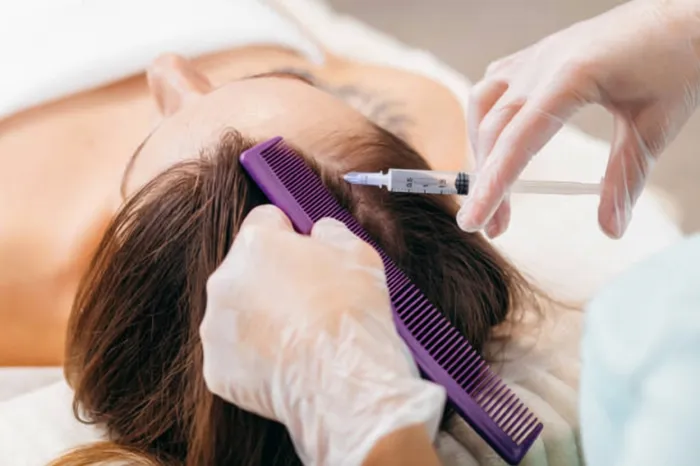
A growing number of young women are experiencing noticeable hair thinning, often impacting their confidence and daily routines. Recent research shows that about 12% of women are affected by female pattern hair loss by age 29, challenging the assumption that this issue only concerns older women or men. Dermatologists stress that early action can improve scalp health and enhance self-esteem, making timely solutions vital.
Hormonal factors play a key role in these cases. Female pattern hair loss, also called androgenetic alopecia, is the most common cause. It involves a gradual thinning across the scalp and is influenced by genetics and hormone sensitivity, especially to DHT. Polycystic ovary syndrome (PCOS) also leads to hair thinning by increasing androgen levels, often creating challenges such as irregular periods and acne. Hormonal shifts from birth control changes and postpartum recovery commonly trigger temporary shedding episodes, too. Thyroid problems—whether overactive or underactive—frequently disrupt hair growth, resulting in diffuse thinning that can be reversed with proper treatment.
Stress is another significant factor contributing to hair loss. Many women encounter telogen effluvium, where emotional or physical stress pushes hair follicles into a resting phase, causing noticeable shedding two to four months after the stressful event. Fortunately, most cases resolve within six to twelve months once normal routines return. More severe stress can cause alopecia areata, an autoimmune disorder that leads to patchy hair loss. Trichotillomania, a condition marked by compulsive hair pulling, also affects some women and usually requires therapy along with hair care to promote recovery.
Nutritional deficiencies are often overlooked but substantial contributors to early hair thinning. Low iron levels, often due to heavy menstruation, lead to diffuse hair loss since the body prioritizes vital organs over hair growth. Protein is essential for healthy follicles, and crash diets or restrictive eating can quickly trigger shedding. Biotin and zinc also play important roles in maintaining hair strength and color, though supplementation needs to be supervised to avoid other imbalances.
For treatment, minoxidil remains the only FDA-approved solution for female pattern hair loss, providing visible improvement in most users after six to twelve months. Consistency is crucial, as stopping the treatment typically reverses gains. Dietary adjustments, particularly adding iron, protein, and essential vitamins, make a real difference when deficiencies are present. Stress management, through exercise, restful sleep, and mindfulness, helps prevent future hair shedding. Experts recommend professional diagnosis rather than self-treatment, as correct identification of the root cause ensures the most effective regimen and addresses any underlying health issues.
