
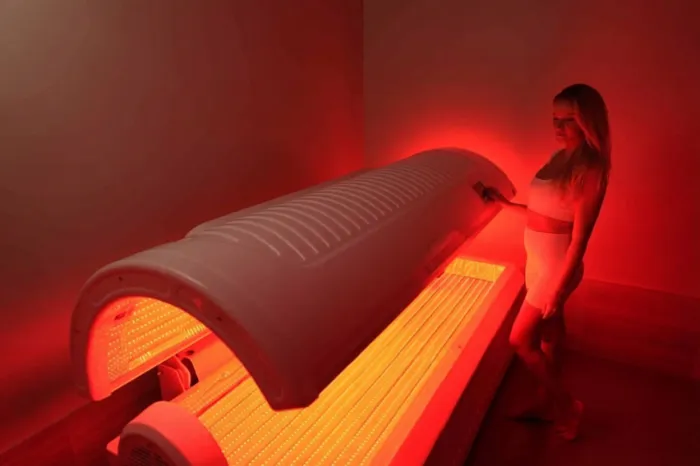
The United States Food and Drug Administration has started a formal review of a supplemental New Drug Application for a photodynamic therapy using aminolevulinic acid gel combined with red light, aiming to treat superficial basal cell carcinoma (sBCC). This step is seen as a potential move toward expanding non-invasive treatment options for the most common type of skin cancer in the U.S.
The therapy under review pairs a nanoemulsion aminolevulinic acid topical gel, known commercially as Ameluz, with exposure to the RhodoLED red-light lamp series. Biofrontera, the company behind the treatment, announced that the FDA found no filing deficiencies in the application and has set a Prescription Drug User Fee Act decision date for late September 2026. If approved, this would be the first photodynamic therapy photosensitizer indicated for sBCC in the United States.
Superficial basal cell carcinoma represents an estimated 10% to 25% of the roughly 3.6 million annual U.S. basal cell carcinoma cases. Most often, sBCCs present as well-marked, red, scaly patches, commonly on the trunk or extremities. Standard treatments have usually involved surgery or destructive methods, but these are not always ideal for all patients, especially when cosmetic results or multiple lesions are concerns. Non-invasive therapies like photodynamic therapy offer alternatives that may be suitable for select patient groups.
Photodynamic therapy works by applying a photosensitizing medication to the skin and activating it with red light. The red wavelength penetrates more deeply than blue or green light, which may allow for more effective treatment of lesions in superficial dermal layers. Clinical studies have shown promising rates of lesion clearance for patients treated with this method, and the approach has already received approval for treating actinic keratosis in the US.
The FDA’s acceptance of this review means that regulatory consideration is now underway, but Ameluz remains approved only for actinic keratosis until a final decision is made. Biofrontera regards this review as an important milestone, suggesting the therapy could soon give clinicians and patients a new, non-surgical option. As the September 2026 decision date approaches, both medical professionals and patients are watching closely for potential changes in standard skin cancer care.
