
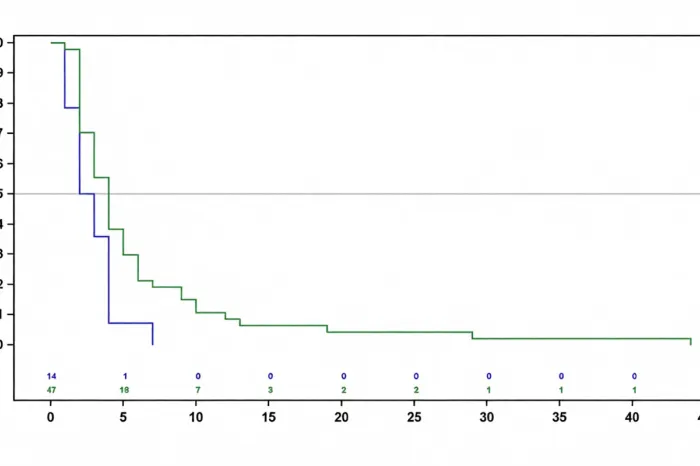
A recent study has found that tracking serum lipase levels during hospitalization offers no clinical advantage for children diagnosed with acute pancreatitis. Researchers at a single children’s hospital reviewed the records of patients aged 0 to 19 who were treated for acute pancreatitis over a two-year period. The investigation aimed to determine whether serial monitoring of serum lipase levels improved patient outcomes, such as relieving abdominal pain, nausea, and vomiting after 48 and 96 hours.
Among 65 eligible patients, 77% had their lipase levels measured more than once during their stay. However, the results showed no significant difference in the persistence of symptoms or their resolution between children who had multiple lipase tests and those who did not. The percentage of persistent symptoms at both 48 and 96 hours was similar across both groups, and additional testing did not correlate with faster or improved recovery.
Significantly, the study revealed that patients whose lipase levels were repeatedly measured stayed in the hospital longer. The median length of stay was 4.0 days for those in the serial-testing group compared to just 2.5 days for children without repeat testing. In addition to extended hospitalizations, repeated lipase measurements increased laboratory costs, averaging $184 per patient versus $66 for those who only had one test. There was also no clear connection found between lipase levels and overall disease severity or symptom improvement.
The findings call into question the routine practice of trending serum lipase after an initial diagnosis. Most current guidelines suggest that lipase measurements should be used primarily to diagnose acute pancreatitis in children. Once the diagnosis is made, ongoing clinical care should be guided by patients’ symptoms and recovery rather than follow-up blood tests. The study’s authors noted that unnecessary laboratory monitoring may add financial and emotional stress to children, families, and the wider healthcare system.
Researchers also examined other factors, such as the use of different types of IV fluids and pain medications. While the type of intravenous fluid showed some association with symptom persistence, the relationship was not clear due to the study’s design and small sample size. Use of opioid versus non-opioid pain management did not significantly affect outcomes. Overall, the study reinforces the idea that clinical observation, rather than continual blood testing, should drive treatment decisions for pediatric acute pancreatitis.
