
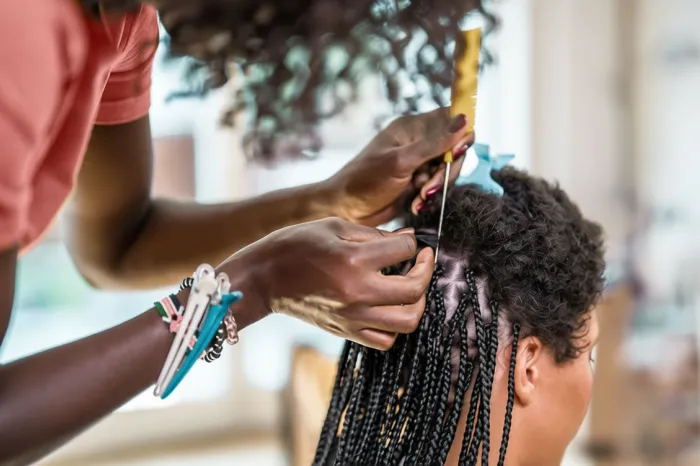
Millions of women, especially women of color, use hair extensions for styling, but new research shows these products may carry unexpected health risks. Scientists have found that hair extensions for braids, twists, and weaves often contain harmful chemicals that may be linked to cancer and hormone disruption. Both synthetic and human hair extensions were found to have dangerous substances, raising concerns about their safety.
Researchers from the Silent Spring Institute in Massachusetts tested 43 hair extension products sold online and in beauty supply stores. They discovered 169 different chemicals across these samples. Many of these chemicals were on hazard lists, including some known to cause cancer, birth defects, or damage to reproductive health. Notably, almost all the products tested had at least one hazardous chemical. Some products had chemicals in amounts above European safety limits. Flame retardants, phthalates, pesticides, and organotins were among the chemicals detected, and organotins have been linked to hormone disruption and cancer in past studies. Scientists caution that more research is needed to understand the true health effects on women who use these extensions, as the current study only measured the presence of chemicals.
The issue may be especially important for Black women, who are more likely to use hair extensions regularly. Wearing extensions for weeks or months increases the chances of absorbing these substances through the skin and scalp. Some chemicals in extensions could be inhaled during heat styling. Experts note that Black women already face higher rates of hormone-related illnesses, making them more vulnerable to potential risks from these products. There is also concern over cumulative exposure, as extensions are often used alongside other hair treatments like relaxers and dyes. Continuous use from a young age can further raise health risks.
The beauty industry rarely discloses which chemicals are used in hair extensions, leaving buyers uncertain about what’s in the products they use. This lack of transparency is a growing concern as the hair extension market expands and targets women of color. Dermatologists and researchers call for clearer ingredient labels, mandatory testing, and stronger regulations so consumers can make safer choices. They believe manufacturers should be required to list all chemicals used in their products. More studies are needed to assess the long-term effects of these exposures.
While there’s no guaranteed way to eliminate risks when using hair extensions, experts have some suggestions for reducing harm. Choosing products free from hazardous chemicals, limiting how often and long extensions are worn, washing them before use, and avoiding styling on irritated skin may help. If users notice rashes, itching, or other skin problems after getting extensions, removing them quickly and consulting a dermatologist is advised. However, many feel that the responsibility for safety should not rest solely on consumers. Stronger regulations and complete ingredient disclosures are necessary to ensure equal protection for all users.
