
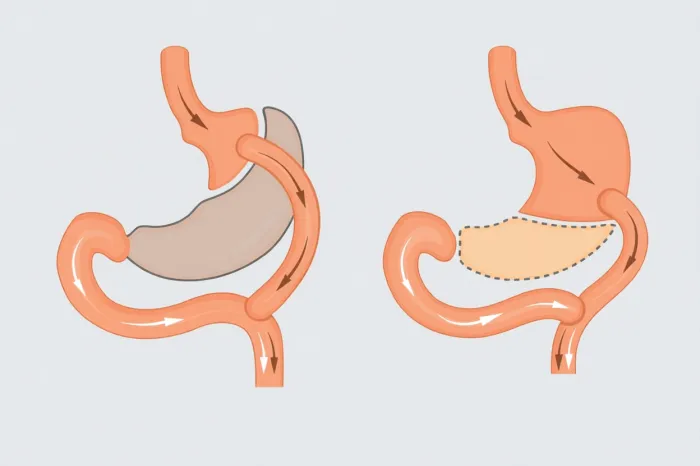
Medical professionals from the University of Maryland Medical System have recently offered insights into the medical perspective on weight loss surgery, addressing its risks, expected results, and recovery process. Weight loss surgery has become more common among patients seeking to manage severe obesity and related health problems, but it remains a major medical procedure with significant implications.
Doctors emphasize that such surgery is not a quick fix. It is generally recommended for individuals who have struggled with obesity for years and have not been able to achieve lasting results with dieting or exercise. Weight loss surgery can include procedures such as gastric bypass or sleeve gastrectomy, which work by changing the way the digestive system processes food. Patients must thoroughly discuss their options, medical conditions, and expectations with healthcare professionals before undergoing any operation.
There are several risks associated with weight loss surgery, including infection, bleeding, and complications related to anesthesia. Some patients may experience difficulties with nutrition or digestive issues after surgery. Medical experts warn that weight loss surgery requires ongoing follow-up care. A commitment to healthy lifestyle changes is essential to maximize the long-term benefits and minimize risks.
Recovery is also a critical phase in the weight loss surgery process. Doctors often highlight that healing takes time and may involve strict dietary adjustments, gradual return to physical activity, and regular medical checkups. Most patients can expect a gradual improvement in their weight and overall health, but the process can be physically and emotionally challenging.
Medical specialists stress the importance of informed decision-making. Through proper assessment and guidance from healthcare teams, patients considering weight loss surgery can better understand its risks and decide if it suits their health needs. The support from medical professionals plays a key part in helping patients manage their recovery and achieve improved health outcomes.
