
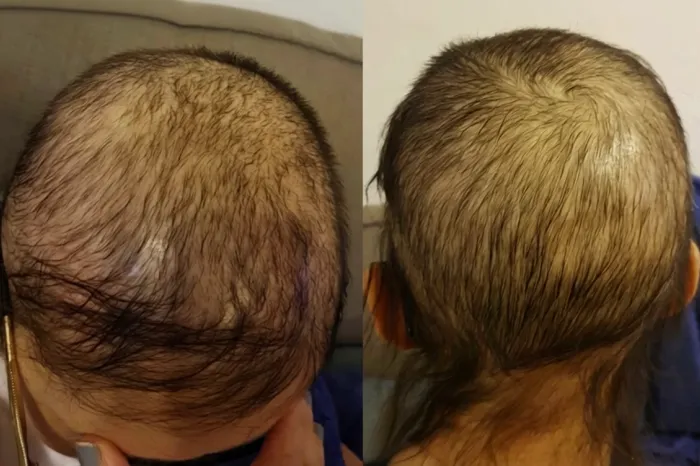
Persistent hair loss after chemotherapy, known as persistent chemotherapy-induced alopecia (pCIA), is a difficult challenge for many cancer survivors and can affect their self-esteem, overall quality of life, and willingness to continue treatment. Experts from around the world have come together to provide new clinical guidelines designed to help health professionals better identify, diagnose, and treat this condition.
The recommendations were developed by the European Academy of Dermatology and Venereology’s (EADV) Task Force on Dermatology for Cancer Patients, with input from a panel of international dermatologists familiar with cancer-related hair problems. Their guidelines were formed through a structured review and expert survey, aiming to improve the consistency and quality of pCIA care.
The new guidance defines pCIA as hair loss that persists for six months or more after stopping chemotherapy. Unlike other hair conditions, pCIA has unique causes, most commonly related to cancer drugs known as taxanes and anthracyclines, which are often used to treat breast, ovarian, and lung cancers. Other chemotherapy protocols that use a combination of several drugs can raise the risk even further. Because the pattern and cause of pCIA differ from other types of hair loss, the panel stressed that doctors need to distinguish it carefully during diagnosis.
Diagnosis of pCIA depends mainly on a patient’s medical history and how their hair loss unfolds over time. Doctors are advised to closely relate the timing of hair loss with chemotherapy schedules. In addition, physical exams may help distinguish pCIA from other conditions, though some diagnostic methods like scalp biopsy are only used in uncertain cases. The panel also recommends using more detailed grading systems alongside established cancer treatment side effect scales to better measure the severity of hair loss.
Treatment recommendations highlight both topical and oral forms of minoxidil, a medication known to promote hair growth, as first-line options. Scalp cooling—where the scalp is chilled during chemotherapy to protect hair follicles—was strongly encouraged as a preventive step, especially for patients receiving taxanes. For patients with hormone-related cancers, certain drugs were not recommended due to possible hormone interactions. Experts also called for more research into newer approaches, including platelet-rich plasma or light therapies, which remain experimental. Supportive care for pCIA should include gentle hair practices, education, and psychological support to help survivors cope.
