
With 127 million viewers tuning in and Super Bowl advertising revenue topping $650 million in 2024, the Big Game has long been a marketing powerhouse, according to Statista. This year, however, the event is making headlines for more than touchdowns and halftime shows—it’s putting healthcare, particularly GLP-1 medications, in the national spotlight.
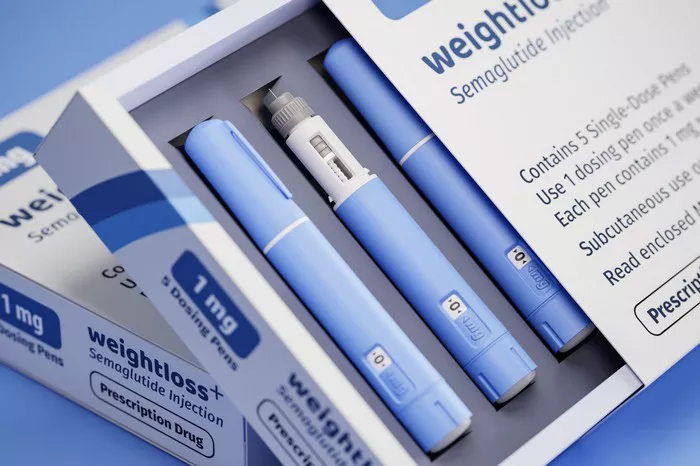
Companies are leveraging the Super Bowl’s unparalleled reach to promote GLP-1 drugs such as semaglutide (Ozempic, Wegovy) and tirzepatide (Mounjaro, Zepbound). These medications, widely prescribed for type 2 diabetes and obesity, have been hailed as medically transformative while also generating cultural controversy.
Telehealth company Ro, featuring tennis icon Serena Williams, aims to reduce stigma around GLP-1 use. Meanwhile, Hims & Hers highlights healthcare affordability and accessibility, emphasizing how access often correlates with wealth.
GLP-1 Medications: A Milestone in Healthcare
Registered dietitian Ana Reisdorf, MS, founder of GLP-1 Hub, describes these drugs as a significant development in addressing obesity and metabolic disease. “These meds offer a very effective solution to this issue,” she said. “For the first time in recent decades, obesity rates are starting to decline.”
Gallup reports that the obesity rate fell from 39.9% in 2022 to 37.0% in 2025. Reisdorf explained that GLP-1 medications help regulate appetite, blood sugar, and energy balance while reducing the “food noise” that complicates weight loss.
“They also improve heart health, insulin resistance, blood pressure, and cholesterol,” she added. “They are a miracle in a space that has been a struggle for so long.”
Stigma and Misconceptions Remain
Despite the benefits, Dr. Timur Alptunaer of InHouse Wellness notes that many people hesitate to try GLP-1 medications, viewing it as a personal failure if diet and exercise alone aren’t sufficient. “Obesity goes beyond lifestyle choices,” he said. “It’s influenced by genetics, hormones, environment, and the brain.”
Alptunaer likens using obesity medications to taking insulin for diabetes or blood pressure drugs for hypertension. He praised Ro’s Serena Williams ad for helping reduce stigma. “Most people mistakenly believe using these medications is ‘cheating,’” he said. “Stigma delays treatment and causes unnecessary shame.”
Cost Barriers Limit Access
Even without stigma, financial barriers prevent many from accessing GLP-1 drugs. “Those with higher incomes can afford specialized care, newer therapies, and more frequent monitoring,” Alptunaer said. “This often leads to better health outcomes than those with lower incomes.”
Companies like Hims & Hers are helping improve affordability and accessibility, which Alptunaer considers a step forward, though not a complete solution. “Effective obesity treatment reduces diabetes and heart disease,” he noted. “Making care affordable extends treatment beyond an elite, concierge-only space.”
Advertising Could Improve Awareness and Uptake
Reisdorf sees Super Bowl advertising as a positive force for healthcare. “Increased visibility normalizes obesity as a medical condition and lets people know effective treatments exist,” she said. However, she cautioned against ads that promise effortless weight loss or downplay potential side effects.
Alptunaer echoed this view, emphasizing the importance of responsible and medically accurate messaging. “Reframing obesity from a ‘social crime’ to a disease is a positive change,” he said. “Eliminating stigma, improving affordability, and providing accurate information fosters better dialogue between patients and caregivers.”
He concluded, “Balanced advertising empowers patients and promotes evidence-based care, leading to earlier interventions, better outcomes, and reduced healthcare costs.”
