
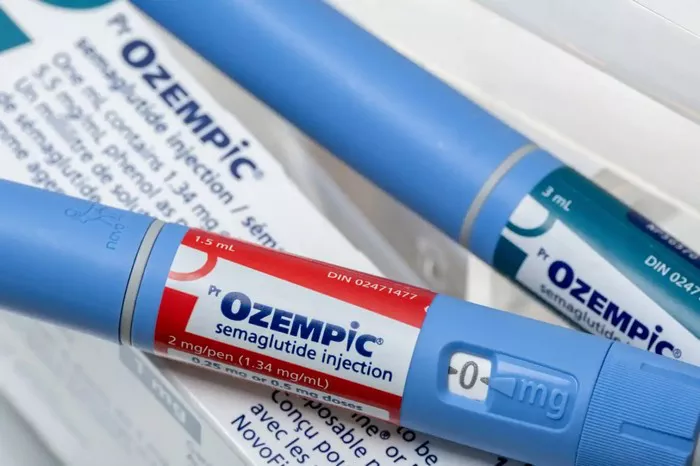
Dutch doctors are prescribing almost twice as many weight-loss medications as they did a year ago, with an estimated 80,000 people now using drugs such as Ozempic and Wegovy, according to figures from the Stichting Farmaceutische Kengetallen (SFK). The sharp rise follows updated general practitioner (GP) guidelines on obesity, which for the first time formally incorporated these medications last year.
Until recently, the drugs were prescribed primarily to patients with diabetes. Their inclusion in obesity guidelines has significantly broadened access, marking a shift in how the condition is treated within primary care.
Under current rules, patients seeking reimbursement must first complete at least one year in an officially recognized lifestyle program without sufficient results. Even then, continued participation is required. “The criteria differ depending on the medication,” said internist and obesity specialist Professor Liesbeth van Rossum of Erasmus MC in Rotterdam. “You can’t simply request a drug without meeting strict conditions.”
Medical supervision is considered essential. Van Rossum warned that improper use—particularly medications purchased online—can pose health risks. “Patients need to build up the dosage very gradually under a doctor’s guidance. When people self-medicate, they often increase the dose too quickly, which can be harmful,” she told NOS.
Van Rossum emphasized that obesity is not a matter of willpower but a chronic and complex disease. “These medications correct biological processes that are disrupted by obesity,” she explained. Some drugs act on brain regions involved in reward and cravings, while injectable treatments mimic gut hormones released after meals, helping patients feel full. “Many people with obesity experience constant ‘food noise’—the feeling that they need to eat even when they are already full.”
Although the European Medicines Agency approved these medications as early as 2015, they only became eligible for reimbursement in the Netherlands in 2020. A broader professional guideline issued in 2023 for doctors and paramedics laid the groundwork for the current surge in prescriptions. “Now that these treatments are embedded in the guidelines, they have become standard practice for GPs,” Van Rossum said.
GP Bas van Houweling, who regularly prescribes the drugs, said the impact on patients can be profound. “People sometimes sit in tears because, for the first time, they are actually losing weight and seeing their obesity level go down,” he told NOS, adding that widespread media coverage has further increased demand.
Experts caution that patients should be prepared for long-term treatment. “Obesity involves chronic, low-grade inflammation of fat tissue,” Van Rossum said. “The inflammation can decrease, but the disease itself does not disappear.” While a small number of patients may eventually taper off medication, most will regain weight if treatment stops.
As prescriptions continue to climb, Dutch health professionals stress that medication should be viewed not as a quick fix, but as a long-term medical tool within a broader, supervised approach to treating obesity.
