
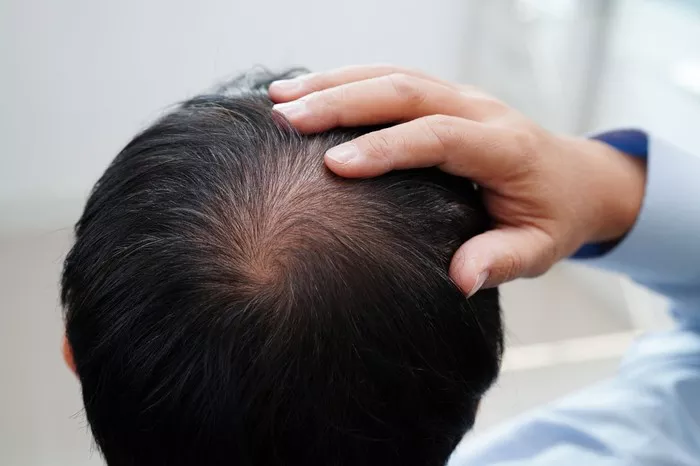
Hair thinning and receding hairlines affect millions worldwide, often impacting confidence and morale. Recently, attention has returned to an ancient Chinese herb, Polygonum multiflorum, commonly known as He Shou Wu, as researchers explore its potential role in supporting hair health.
Rediscovering an Ancestral Plant
A recent study highlights He Shou Wu for its possible effects on hair follicle vitality. Laboratory research suggests that certain compounds in the plant may influence the anagen phase, the active growth period of hair. By potentially prolonging this phase, the herb could delay the transition to the resting phase, offering hope for individuals dealing with persistent or seasonal hair loss.
However, experts caution that these findings remain largely preclinical, derived from in vitro or ex vivo studies. No definitive clinical evidence in humans exists yet, and researchers stress the importance of measured expectations.
“Promising does not mean proven: move forward, but keep a critical eye and protect your health,” researchers advise.
How He Shou Wu May Affect Hair Growth
Hair growth occurs in cycles—growth, rest, and shedding—regulated by local cellular signals. The active growth phase can last anywhere from 2 to 6 years depending on the individual. Extracts from He Shou Wu, rich in polyphenols, could theoretically reduce oxidative stress and support this phase.
Some studies also suggest the herb may enhance cutaneous microcirculation and influence cell signaling pathways, which are essential for hair follicle health. Yet, the effects vary significantly based on extract quality, dosage, and preparation method, emphasizing the need for caution regarding commercial claims.
Safety Considerations and Side Effects
Oral consumption of He Shou Wu has been linked to liver toxicity in certain cases. Users may experience abdominal pain, fatigue, or jaundice, requiring immediate medical attention. Pregnant women and individuals with multiple medications should avoid the herb unless guided by a healthcare professional.
The variability in preparation—raw, cooked, or fermented roots—further complicates its reliability. In topical formulations, the risk is lower, though users should monitor for irritation or redness and choose brands with clear quality control.
Practical Guidance for Hair Health
Experts recommend combining any supplement use with fundamental hair care and lifestyle practices:
- Use gentle shampoos, scalp massages, and avoid excessive heat.
- Maintain adequate protein, iron, zinc, and vitamin D intake to strengthen hair fibers.
- Seek dermatologist advice to diagnose the type of hair loss and create a tailored strategy.
Supervised testing of He Shou Wu for 3 to 6 months can provide insight into tolerance and effectiveness, but expectations should remain realistic, and lifestyle factors must be prioritized.
Moving Forward Safely
While He Shou Wu offers a signal of potential, clinical evidence is still insufficient to confirm its benefits definitively. Users are encouraged to:
- Demand proof and transparent formulations.
- Monitor tolerance carefully.
- Integrate the plant into a broader hair care program rather than relying solely on supplements.
Ultimately, managing hair loss effectively combines science-based care, lifestyle adjustments, and professional guidance, ensuring safety while exploring emerging natural options like He Shou Wu.
