
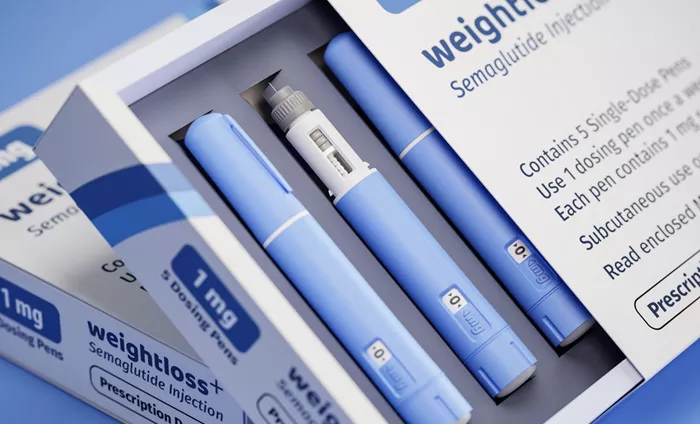
Weight loss medications like Ozempic, Wegovy, and Zepbound are gaining popularity, but safety concerns are mounting as nearly 4,500 lawsuits have been filed by patients alleging severe side effects from these GLP-1 drugs.
Originally developed to treat diabetes, GLP-1 medications work by increasing insulin production and slowing gastric emptying, which helps users feel full faster and for longer periods, often resulting in significant weight loss.
According to the Kaiser Family Foundation, by last November, roughly one in eight U.S. adults reported taking a GLP-1 medication for weight management. The trend is also influencing consumer products, with Audacy noting that packaging trends this year are expected to reflect increased GLP-1 usage. This year also saw the release of the first GLP-1 pills, broadening access to these medications.
Research published in JAMA on Wednesday highlighted the growing obesity epidemic in the U.S., showing that obesity rates rose from 19.3% in 1990 to 42.5% in 2022, and are projected to approach 47% by 2035. USA Today reported that the introduction of GLP-1 drugs coincides with the first notable drop in U.S. obesity rates in decades.
Despite the weight loss benefits, drug makers warn of potential risks. Novo Nordisk’s Ozempic, for example, lists thyroid tumors—including cancer—as a possible serious side effect.
Patients filing lawsuits report severe and sometimes life-altering reactions. These include a Maryland truck driver who was blinded by an “eye stroke,” a Louisiana woman who suffered weeks of vomiting before being diagnosed with brain dysfunction, and an Oklahoma real estate agent who experienced a catastrophic colon injury while driving her granddaughter home from a softball game.
DrugWatch reports that thousands of lawsuits involve injuries such as severe gastroparesis (stomach paralysis), impaired bowel function, intestinal obstruction, and permanent vision loss from non-arteritic anterior ischemic optic neuropathy (NAION). Last month, Parker Waichman, a national law firm, announced multiple lawsuits on behalf of patients who developed NAION after taking Ozempic or Wegovy, including a recent case filed for a Philadelphia resident on Christmas Eve.
USA Today notes that over 4,400 lawsuits are now part of consolidated federal and state litigation, with numbers expected to grow in the coming years. The lawsuits target Denmark-based Novo Nordisk, maker of Ozempic and Wegovy, as well as Indiana-based Eli Lilly, maker of Mounjaro and Zepbound. Both companies have publicly denied the allegations and stated they will vigorously defend the safety of their medications.
