
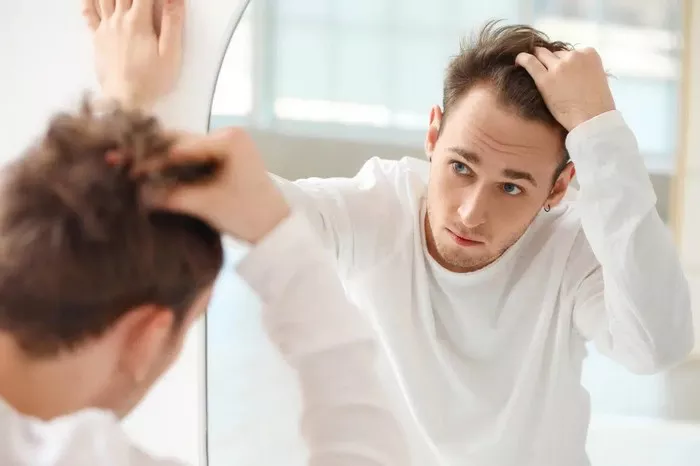
New research suggests London is a city under mounting pressure, with stress affecting residents not only emotionally but also physically—particularly when it comes to hair and scalp health.
A nationwide survey commissioned by coal-tar shampoo brand Polytar found that 84% of UK adults experience stress on a daily basis. Women reported higher stress levels than men, with 88% saying they feel stressed compared with 80% of men.
Londoners emerged as some of the most stressed individuals in the country. According to the findings, 89% of adults in the capital experience some degree of daily stress, while more than a third (34%) said they feel quite stressed or very stressed on a regular basis.
The impact of stress extends beyond mental wellbeing. Nearly half of respondents (49%) said they notice negative changes in their hair or scalp during stressful periods, highlighting a growing link between stress and physical symptoms.
Stress-related scalp issues varied by gender. Among women, the most commonly reported symptom was hair shedding or breakage, cited by 45%, followed by persistent itchiness (34%) and a dry or tight-feeling scalp (27%). For men, dandruff was the most frequent complaint, reported by 37%, followed by itchiness (34%) and increased flaking (30%).
The onset of these symptoms can be rapid. More than two in five respondents (42%) said they noticed scalp changes within days of experiencing stress. However, recovery often took longer, with 28% reporting that symptoms persisted for one to two weeks after stressful periods had ended.
Hormonal changes were identified as a major factor among women, with 59% citing them as a key contributor to stress-related scalp problems. Research shows that fluctuations in hormones such as estrogen, progesterone, and androgens can affect oil production, moisture balance, and hair follicle activity—particularly during life stages such as menstruation, pregnancy, and menopause.
Men, by contrast, pointed to lifestyle and external pressures. Poor sleep or fatigue was cited by 51% as a leading contributor, followed by increased anxiety or mental health challenges (48%) and financial pressures linked to the cost of living (42%).
Despite the prevalence of symptoms, many people choose not to take action. One in four respondents (25%) said they ignore stress-related scalp issues entirely, while 16% said they attempt to conceal visible signs by changing hairstyles or covering affected areas.
Amy Hunt, a trichologist and hair and scalp specialist, said stress is a well-established trigger for scalp conditions. “Chronic stress keeps the nervous system in a heightened state, increasing cortisol levels,” she explained. “This can disrupt immune function and weaken the scalp’s protective barrier, accelerating inflammation and skin cell turnover. As a result, conditions such as dandruff, psoriasis, and eczema are more likely to flare, especially in those already predisposed.”
The NHS advises several approaches to managing stress, including regular physical activity, social connection, and taking time for rest and relaxation. Such lifestyle changes may help reduce the likelihood of stress-related scalp problems over time.
For those seeking more immediate relief, medicated shampoos can provide targeted support. Hunt noted that these products contain active ingredients designed to reduce inflammation, rebalance the scalp microbiome, and regulate excessive skin cell turnover. “Used consistently during flare-ups, they can help ease itching, scaling, and irritation and form part of a long-term management plan,” she said.
She added that medicated shampoos are typically recommended for weekly use to help manage conditions such as dandruff, psoriasis, eczema, and persistent scalp itch.
