
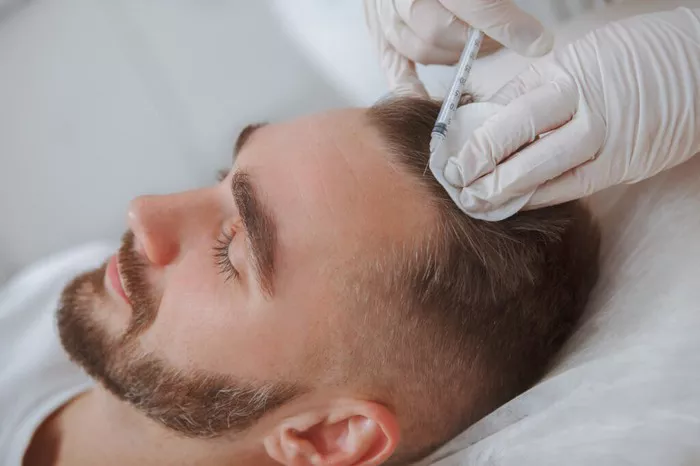
The global hair restoration services market is experiencing sustained growth, driven by rising aesthetic awareness, lifestyle changes, and an increase in stress-related hair loss worldwide. Hair loss affects both men and women across all age groups, creating consistent demand for long-term and effective restoration solutions. The market was valued at USD 9.57 billion in 2024 and is projected to grow to USD 10.04 billion in 2025, before reaching USD 16.2 billion by 2035, according to industry estimates. This reflects a compound annual growth rate (CAGR) of 4.9% over the forecast period from 2025 to 2035.
Growing acceptance of cosmetic and aesthetic procedures has been a major factor supporting market expansion. Consumers are increasingly willing to invest in personal appearance, encouraged by improved outcomes and reduced risks associated with modern hair restoration techniques. Advances in hair transplantation, regenerative medicine, and non-surgical therapies have significantly enhanced treatment effectiveness, boosting patient confidence and broadening the market’s appeal.
Digital awareness campaigns, social media influence, and the expansion of medical tourism have further strengthened global demand for professional hair restoration services. Clinics and service providers are leveraging online platforms to educate consumers and showcase success stories, contributing to higher treatment adoption rates across both developed and emerging markets.
The competitive landscape is marked by the presence of established clinics and specialized service providers focused on innovation and patient experience. Key players in the market include Bosley, Hair Club, Advanced Hair Restoration, NewMe Health, Regenix, HRI, The Hair Restoration Clinic, Alvi Armani, and DHI Global Medical Group. These companies emphasize advanced follicular unit extraction (FUE), robotic-assisted procedures, and personalized treatment plans to differentiate themselves in an increasingly competitive environment.
Strategic initiatives such as clinic expansions, partnerships, and investments in research and development are common across the industry. Branding, digital marketing, and patient testimonials play a crucial role in attracting new clients, while service quality and post-treatment care remain central to building long-term patient trust and brand loyalty.
Technological innovation continues to reshape the market. The adoption of platelet-rich plasma (PRP) therapy, stem cell-based treatments, laser therapy, and AI-assisted diagnostics is improving procedural precision, shortening recovery times, and enhancing overall patient satisfaction. These technologies represent a significant growth opportunity as providers seek to deliver safer and more effective solutions.
From a regional perspective, North America currently dominates the hair restoration services market, supported by advanced healthcare infrastructure, high consumer spending, and strong aesthetic awareness. Europe remains a mature market, benefiting from medical tourism and skilled practitioners, while the Asia-Pacific region is expected to record the fastest growth due to rapid urbanization, rising disposable incomes, and expanding clinic networks in countries such as India, China, South Korea, and Japan.
Looking ahead, the market’s future will be shaped by continuous technological advancements, greater personalization of treatments, and increased consumer education. Service providers that prioritize innovation, transparency, and patient-centric care are expected to strengthen their competitive position as demand for hair restoration services continues to rise globally.
